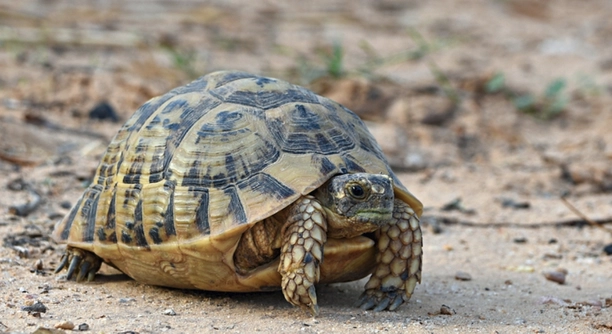
7 Essential Vitamins for a Healthy Greek Tortoise Diet

A healthy diet is crucial for the well-being of your Greek tortoise. Understanding the vitamins needed for their growth and energy is key to maintaining their health. The right balance of nutrients can help them thrive. There are seven essential vitamins that play a significant role in the diet of a healthy Greek tortoise. These … Read more
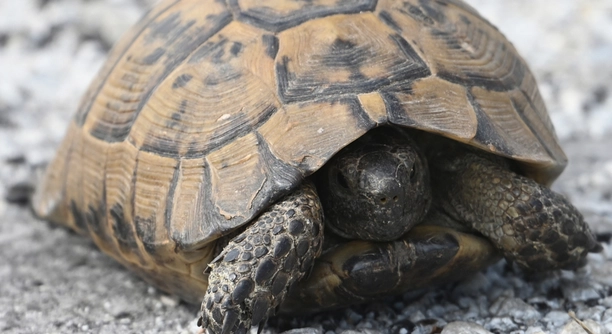
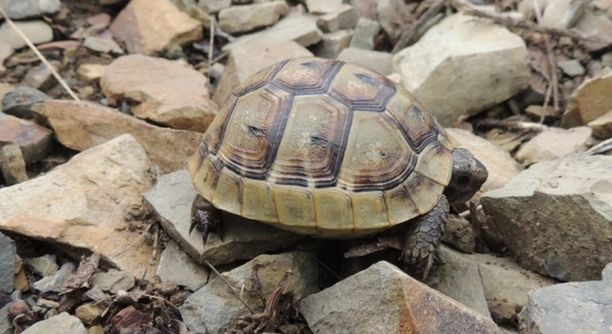
Why Is My Greek Tortoise Burying Itself All Day? (7 Reasons)

Is your Greek tortoise spending most of the day buried in its substrate? This behavior may seem unusual, but it is a natural response to various environmental and physiological factors that influence its daily routine and overall well-being. Greek tortoises bury themselves for reasons such as thermoregulation, brumation, stress, illness, or improper habitat conditions. This … Read more

Can Greek Tortoises Eat Plums? (+Health Effects Explained)

Are you wondering if Greek tortoises can safely enjoy plums as part of their diet? Feeding tortoises the right foods is essential for their health, and certain fruits may pose risks. Understanding their dietary needs helps ensure their well-being and longevity. Greek tortoises can eat plums, but only in moderation. Plums contain natural sugars and … Read more

7 Easy Ways to Tell If a Greek Tortoise Is Overweight

Greek tortoises are popular pets, but it’s essential to keep an eye on their health. Overweight tortoises can face numerous health problems, affecting their mobility and overall well-being. Here’s how to recognize if your tortoise is carrying excess weight. The simplest way to tell if a Greek tortoise is overweight is by observing its shell … Read more

Why Does My Greek Tortoise Keep Blowing Bubbles from Its Nose? (+7 Causes)

Greek tortoises are known for their unique behaviors, and one peculiar action that may concern owners is when they blow bubbles from their nose. While this can be alarming, it’s essential to understand the underlying causes. The main cause of this behavior is often respiratory issues, such as infections or inflammation. Greek tortoises, like other … Read more

Can Greek Tortoises Eat Chard? (+How to Serve It Safely)

Greek tortoises are herbivores, and their diet includes a variety of greens. One green you might consider offering them is chard. This leafy vegetable provides some nutritional benefits but must be served with care. Chard can be a safe and healthy option for Greek tortoises when prepared properly. However, it should be given in moderation … Read more

7 Things to Check If Your Greek Tortoise Stops Eating

Greek tortoises are popular pets, but when they stop eating, it can be concerning. Understanding the reasons behind this change in behavior is important for their well-being and recovery. There are several factors to consider. The most common reasons a Greek tortoise may stop eating include improper temperature, dehydration, stress, or an inadequate diet. It’s … Read more

Why Is My Greek Tortoise’s Skin Turning Pink? (7 Causes)

A Greek tortoise’s skin turning pink can be concerning for any pet owner. It’s important to know that various factors can contribute to this change in appearance. Understanding these causes can help ensure your tortoise’s health and well-being. The skin of a Greek tortoise may turn pink due to factors such as stress, environmental changes, … Read more

Can Greek Tortoises Eat Raspberries? (+Nutritional Facts)

Have you ever wondered if raspberries are a safe treat for your Greek tortoise? Many owners explore ways to add variety to their pet’s diet, seeking nutritious options that keep their tortoise healthy and happy. Greek tortoises can eat raspberries in moderation. While these fruits offer beneficial vitamins and antioxidants, they are high in natural … Read more

7 Creative Ways to Make a Greek Tortoise Habitat More Interesting

Have you ever wondered how to keep your Greek tortoise engaged and active in its habitat? Creating a stimulating environment is essential for your pet’s physical and mental well-being, helping it thrive and stay healthy over time. The best ways to make a Greek tortoise habitat more interesting include adding varied terrain, providing hiding spots, … Read more