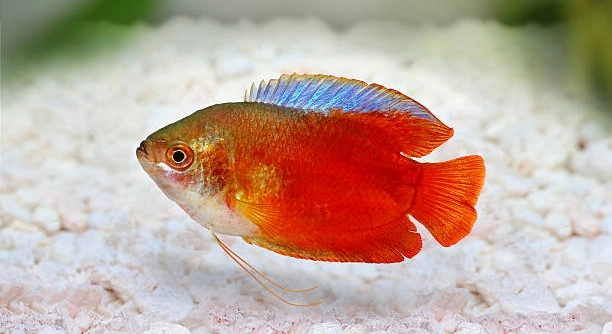
How to Tell If Your Giant Gourami Is Stressed
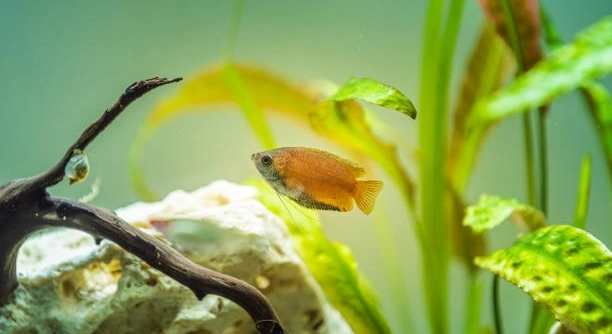
Are your giant gouramis showing unusual behavior or acting differently than usual? These changes can be subtle, yet they often indicate stress. Observing your fish closely is the first step in ensuring their well-being. Stress in giant gouramis is commonly exhibited through changes in appetite, erratic swimming, or hiding behaviors. Environmental factors such as water … Read more

Why Is My Gourami Fixated on One Tank Mate?

Is your gourami constantly following or staring at a single tank mate? This behavior can be surprising for many fish keepers and may affect the dynamics of your aquarium. Observing these interactions helps understand your fish better. Gouramis often fixate on one tank mate due to territorial instincts, social hierarchy, or perceived threats. This focus … Read more

Why Is My Gourami Gasping at the Surface? (Explained)

Is your gourami frequently gasping at the surface of its tank, leaving you concerned about its wellbeing? Many aquarists notice this behavior and feel unsure about what it might indicate about water conditions or fish health. Gouramis gasping at the surface are often experiencing low oxygen levels in the water or stress caused by poor … Read more

7 Tankmates That Usually Work with Giant Gouramis

Giant gouramis are calm, large fish that need space and compatible companions in the tank. Keeping the right tankmates ensures a peaceful environment and prevents stress for both the gouramis and the other fish. Suitable tankmates for giant gouramis include large, non-aggressive species such as silver dollars, oscars, bala sharks, clown loaches, pacus, arowanas, and … Read more

Why Your Gourami Keeps Rubbing the Glass

Many aquarists enjoy keeping gouramis for their vibrant colors and calm nature. Observing them swim peacefully is satisfying, yet sometimes they behave in ways that can seem puzzling or concerning to their owners. Gouramis often rub against the glass due to irritation caused by parasites, poor water quality, or stress. This behavior is a physical … Read more

7 Things You Can Do to Gain Your Gourami’s Trust

Gouramis are sensitive fish that respond well to gentle care and patience. Building a trusting relationship takes time, but small, consistent actions can make a significant difference in how comfortable they feel around you. Gaining your gourami’s trust involves creating a calm environment, offering consistent feeding routines, and interacting gently without sudden movements. Regular observation … Read more

How Fast Do Giant Gouramis Grow? (Growth Timeline)

Giant gouramis are fascinating fish that attract many aquarium enthusiasts. Watching them grow from tiny juveniles into large, impressive adults can be rewarding. Understanding their growth patterns helps in providing the best care possible for them. Giant gouramis grow at varying rates depending on factors such as diet, water quality, and tank size. Juveniles can … Read more

What If a Gourami Is Only Active at Night?

Many gourami owners notice their fish behaving differently than expected, especially when activity levels shift to nighttime. Observing a gourami that is only active at night can be surprising but is often normal for the species. Gouramis are naturally crepuscular or nocturnal, meaning they may prefer activity during low-light conditions. Limited daytime movement is typical … Read more

Can Gouramis Feel Emotions Like Stress or Comfort?

Gouramis are small, colorful freshwater fish often kept in home aquariums. Observing their behavior can be surprisingly engaging, as they react to changes in their environment and interact with other fish in noticeable ways. Gouramis exhibit behaviors that suggest they can experience stress and comfort. Environmental changes, tank mates, and handling can trigger physiological and … Read more

7 Small Adjustments That Calm Nervous Gouramis

Are your gouramis often skittish or hiding in the corners of the tank? Small changes in their environment can significantly influence their behavior. Understanding how to create a calmer setting benefits both the fish and their owners. Implementing subtle adjustments, such as maintaining consistent water temperature, reducing sudden movements, adding gentle filtration, providing hiding spaces, … Read more