Can Discus Get Used to Human Presence Over Time?

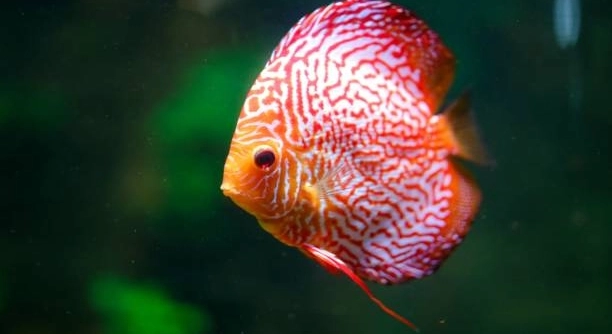
Do you ever find yourself watching your discus fish hide away whenever you walk by, wondering if they’ll ever come around? Discus can get used to human presence over time, especially when they are kept in a calm, consistent environment and experience gentle interactions. Repeated exposure to routine care helps build familiarity and reduces stress … Read more
Are Discus Fish Too Fragile for New Hobbyists?

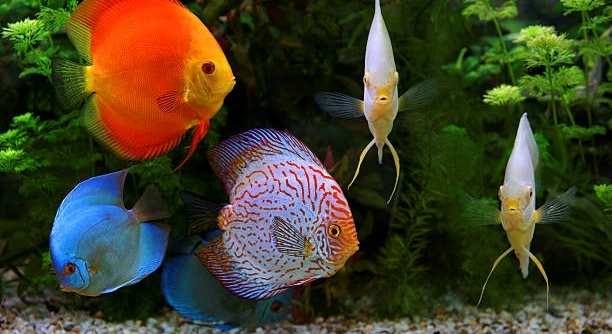
Discus fish are admired for their vibrant colors and graceful presence in aquariums. Many new hobbyists are attracted to their beauty but may hesitate due to concerns about their care requirements and sensitivity in home tanks. Discus fish are generally more delicate than many other freshwater species, requiring stable water conditions, careful feeding, and attentive … Read more

What Causes Sudden Discus Color Changes?

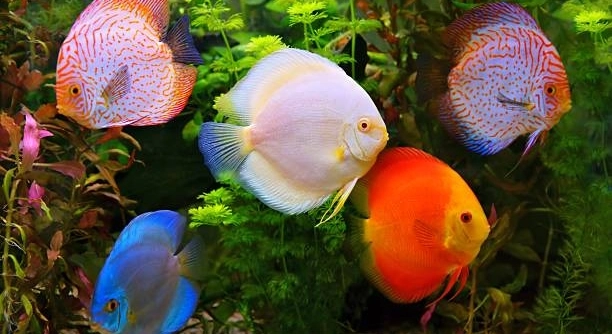
Have you ever noticed your discus fish changing colors and felt unsure about what it might mean for their health or environment? Sudden color changes in discus fish are most often caused by stress, poor water quality, illness, or changes in lighting or surroundings. These shifts are typically a response to discomfort or environmental imbalances … Read more

Can Discus Catch Diseases from Other Fish?

Have you ever found yourself worrying about the health of your discus after adding new fish to your aquarium? It’s normal to be cautious, especially when mixing species in a shared tank environment. Fish diseases can spread quickly. Yes, discus can catch diseases from other fish. Cross-contamination in shared aquariums is a known risk, especially … Read more

7 Clues Your Discus Tank Needs More Hiding Spots

Are your discus fish showing signs of stress or hiding too little? A tank without enough hiding spots can make your discus uncomfortable and anxious. Proper shelter helps them feel safe and promotes natural behavior. A discus tank lacking sufficient hiding places can lead to increased stress, aggression, and weakened immune response in the fish. … Read more

How to Transport Discus Safely (7 Key Tips)

Transporting discus fish requires care and attention to keep them safe and healthy during the journey. Many discus owners face challenges when moving their prized fish from one place to another. Proper handling and preparation can make all the difference in a smooth transport experience. Safe transport of discus involves maintaining stable water conditions, minimizing … Read more

Why Are My Discus Always Facing Each Other?

Are your discus fish always facing each other in their tank? This behavior is common and often catches the attention of many aquarium enthusiasts. Understanding why they do this can help improve your fish-keeping experience. Discus fish face each other primarily as a form of social interaction and communication. This behavior can indicate territorial displays, … Read more

7 Things to Avoid Adding to Discus Water

Keeping discus fish healthy requires careful attention to their water environment. Many aquarium owners want to improve their tanks but sometimes add substances that harm these sensitive fish. Avoiding certain additives is key to maintaining clear, safe water. Adding harmful chemicals or untested substances to discus water can disrupt its delicate balance, leading to stress, … Read more

7 Things to Watch During Water Temperature Drops

Water temperature changes can affect many things around us. Whether in nature or at home, knowing what to watch for is important. This article shares key points to keep in mind during drops in water temperature. When water temperature drops, it impacts aquatic life, water chemistry, and even household systems. Monitoring these changes helps prevent … Read more

7 Times to Avoid Handling Your Discus Fish

Are your discus fish looking stressed or uneasy after routine tank maintenance or feeding time? Handling them too often may be the reason behind their discomfort and behavioral changes, even when your intentions are good. Handling discus fish should be avoided during specific situations such as illness, acclimation, spawning, or after recent feeding. These moments … Read more