7 Common Discus Fish Myths Beginners Still Believe

Many beginners are fascinated by discus fish and eager to care for them properly. However, several common beliefs about these beautiful fish are not quite accurate. Knowing the facts helps create a healthier environment for them. Many myths about discus fish persist among new hobbyists, often leading to misunderstandings about their care, diet, and tank … Read more

Can Discus Fish Survive Without Tank Mates?

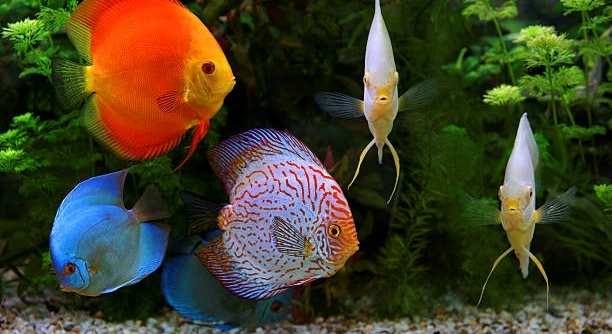
Have you ever watched your discus fish swim alone and wondered if they truly need other fish around to be happy? Discus fish can survive without tank mates, but they tend to be more stressed and less active in solitary settings. These social fish thrive in groups and benefit from companionship, which supports their overall … Read more

How Often Should I Feed Discus Fish? (Feeding Guide)

Feeding discus fish correctly is important for their health and growth. Many owners want clear guidance on how often to feed these beautiful, delicate fish. Knowing the right feeding schedule can help keep discus fish happy and thriving. Discus fish should generally be fed two to three times per day, providing small, balanced meals. Overfeeding … Read more

7 Tips to Reduce Discus Tank Algae Growth

Do you ever find yourself scrubbing algae off the glass of your discus tank more often than you’d like? Algae can quickly make even the cleanest tank look messy and unkept, causing frustration for many fishkeepers. The most effective way to reduce algae growth in a discus tank is by maintaining stable water parameters, controlling … Read more

7 Plants That Thrive in a Discus-Friendly Tank

Discus fish require specific care to thrive, especially in a planted aquarium. Selecting the right plants for a discus-friendly tank can enhance water quality and provide a natural environment for these sensitive fish. This article highlights plants suited for discus tanks. Plants that thrive in discus tanks must tolerate warm temperatures, low light, and soft … Read more

7 Tank Changes That Shock Discus Fish

Keeping discus fish healthy takes more than just feeding them well. Their environment needs careful attention because even small tank changes can affect them a lot. Many owners don’t realize how sensitive these fish really are. Discus fish are highly sensitive to changes in their tank conditions. Seven specific alterations—such as water temperature shifts, changes … Read more

Can Discus Fish Thrive Without a Heater?

Discus fish are popular for their bright colors and graceful movements. Many fishkeepers wonder if these tropical fish can live comfortably without a heater. Understanding their needs is key to keeping them healthy. Discus fish generally require stable warm water between 82°F and 86°F to thrive. Without a heater, maintaining this temperature consistently is difficult, … Read more

Why Are My Discus Suddenly Becoming Pale?

Are your discus fish suddenly becoming pale? This unexpected change in color can be worrying for any fish owner. Discus are known for their vibrant colors, so fading hues often signal an underlying issue worth addressing. Discus fish become pale due to stress, poor water quality, illness, or improper diet. These factors disrupt their natural … Read more

7 Ways to Spot Poor Genetics in Juvenile Discus

Juvenile discus fish are popular among aquarium enthusiasts for their vibrant colors and unique patterns. However, not all young discus show ideal genetic traits, which can affect their health and appearance as they mature. Recognizing these traits early is important for hobbyists. Poor genetics in juvenile discus are often identified by uneven body shapes, irregular … Read more

Why Is My Discus Not Growing as Expected?

Many aquarium enthusiasts enjoy keeping discus fish for their beauty and elegance. Sometimes, despite good care, these fish do not grow as expected. Understanding the reasons behind slow growth can help improve their health. Discus fish may not grow well due to factors such as inadequate diet, poor water quality, improper tank conditions, or stress. … Read more