How to Tell If Your Clownfish Is Lonely
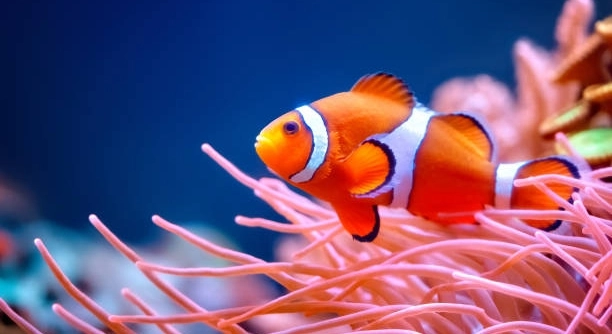
Clownfish are popular aquarium pets, known for their bright colors and lively behavior. Many owners wonder about their fish’s emotional well-being, especially if they live alone in a tank. Understanding their social needs is important for their health and happiness. Clownfish are social animals that often show signs of loneliness when kept in isolation. Indicators … Read more
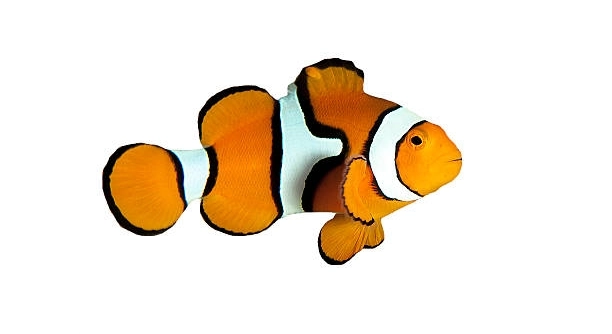
Why Are My Clownfish Digging Holes in the Sand?

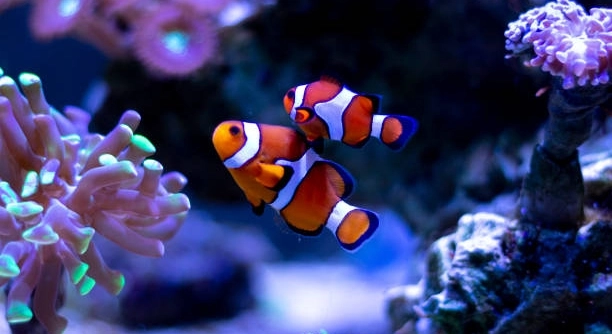
Clownfish are known for their bright colors and playful behavior in home aquariums. Many owners notice these fish digging in the sand, which can seem puzzling or even concerning at first. This activity is quite common among clownfish and has several reasons behind it. Clownfish dig holes in the sand primarily for nesting and territorial … Read more

How Long Do Clownfish Need to Settle In?

Clownfish are popular pets for many aquarium lovers. They bring bright colors and lively movement to tanks. However, setting them into a new environment takes some time and patience. Clownfish generally need about two to four weeks to fully settle into a new tank. During this period, they adjust to water conditions, establish territory, and … Read more

7 Clownfish Reactions to New Light Settings

Clownfish are popular in home aquariums due to their bright colors and unique behaviors. Changes in their environment, like lighting, can affect how they act. Understanding their reactions helps aquarists create better conditions for these fish. Clownfish display various responses to new light settings, including changes in activity levels, color intensity, and social interactions. These … Read more

Can Clownfish Get Jealous of New Fish?

Clownfish are popular pets for many aquarium enthusiasts. Their bright colors and lively behavior make them a favorite addition to home tanks. When new fish arrive, owners often wonder how clownfish might react to the change in their environment. Clownfish can show territorial behaviors when new fish are introduced, which some interpret as jealousy. These … Read more

7 Clownfish Habits That Keep the Tank Clean

Clownfish are popular in home aquariums for their bright colors and lively behavior. They contribute more than just beauty; they play a role in maintaining a clean and healthy tank environment. Their natural habits help support the aquarium ecosystem. Clownfish engage in several cleaning behaviors that benefit the tank. They pick at algae, eat leftover … Read more

7 Tips for Keeping Multiple Clownfish Peaceful

Keeping multiple clownfish together can be a challenge for many aquarium enthusiasts. These colorful fish have distinct personalities that can sometimes lead to tension or aggression in a shared tank environment. Proper care and management are essential to maintain a peaceful community. To keep multiple clownfish peaceful, it is important to provide adequate space, establish … Read more

How to Tell Male vs Female Clownfish

Male and female clownfish can be tricky to tell apart at first glance. These colorful fish share many features, making it hard to distinguish between them by just looking. Knowing the differences is helpful for anyone interested in marine life or aquarium care. The primary way to differentiate male and female clownfish is by their … Read more

Why Do Clownfish Sometimes Act Frozen?

Clownfish are popular in aquariums and oceans for their bright colors and unique behaviors. Sometimes, these small fish suddenly freeze in place, catching the attention of observers. This strange behavior can be surprising to many who watch them. Clownfish sometimes act frozen as a defense mechanism against predators or environmental stress. This stillness helps them … Read more

7 Unexpected Things That Affect Clownfish Mood

Clownfish are known for their bright colors and lively behavior in home aquariums. Many people enjoy watching how their moods can change throughout the day. Understanding what affects these changes can improve their care and well-being. Several unexpected factors influence clownfish mood, including water temperature fluctuations, light exposure, tank size, social interactions, diet quality, presence … Read more