Why Is My Clownfish Digging Up the Gravel?

Have you ever noticed your clownfish acting strange, moving gravel around its tank, and wondered what’s going on beneath the surface? Clownfish dig up gravel primarily to create a safe nesting area or to establish territory. This behavior is natural and often influenced by breeding instincts, environmental stressors, or changes in the tank setup and … Read more
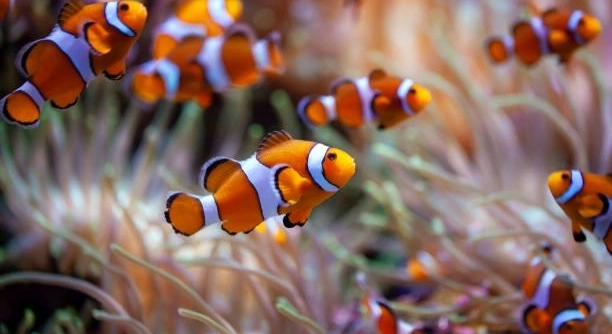
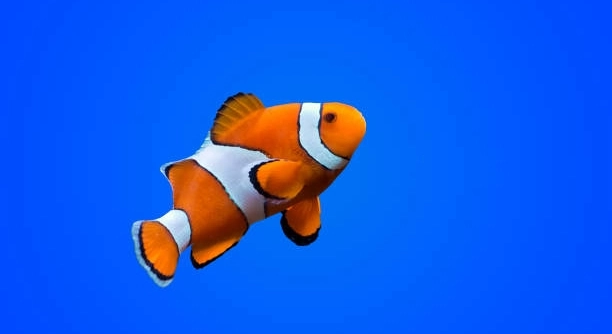
7 Clownfish Traits That Appear After Maturity

Clownfish are well-known for their bright colors and unique behaviors. These traits don’t all show up right away but develop as the fish mature in their natural habitat. Understanding these changes helps appreciate their fascinating life cycle. Several distinct traits appear in clownfish after maturity, including changes in coloration, increased territorial behavior, social hierarchy establishment, … Read more

Why Is My Clownfish Always Near the Bubbles?

Many clownfish often stay close to bubbles in their tanks, which can catch the attention of aquarium owners. This behavior may seem unusual but is quite common among these colorful fish. Understanding their reasons helps improve tank care. Clownfish stay near bubbles mainly because of the increased oxygen levels and water movement. The bubbles create … Read more

7 Things That Disrupt Clownfish Sleeping Patterns

Clownfish are fascinating creatures that depend on regular sleep to stay healthy. Their sleeping patterns can be influenced by various factors in their environment. Understanding these disruptions can help in maintaining their well-being in captivity or the wild. Several factors disrupt clownfish sleeping patterns, including light exposure, water temperature changes, noise pollution, presence of predators, … Read more

Can Clownfish Defend an Entire Tank?

Clownfish are popular in home aquariums for their bright colors and interesting behaviors. Many aquarium enthusiasts notice how these fish interact with their environment and other tank inhabitants. Their behavior sometimes gives the impression they protect their territory. Clownfish can defend their immediate territory within the tank, especially near their host anemone, but they are … Read more

Why Is My Clownfish Hovering Over Sand All Day?

Is your clownfish acting strangely, spending most of its time hovering just above the sand without much movement or interaction? Clownfish may hover over sand due to illness, stress, nesting behavior, or poor water conditions. Common causes include ammonia spikes, inadequate tank mates, or changes in environment, which can trigger unusual and concerning behavior patterns. … Read more

Can Clownfish Be Territorial Without a Host?

Do you ever find yourself wondering if clownfish can still be territorial even when they don’t have a host anemone nearby? Clownfish can exhibit territorial behavior even without a host anemone. In the absence of a host, they may claim and defend areas like rocks, coral, or artificial structures within their environment, especially in confined … Read more

How Long Can Clownfish Go Without Eating?

Clownfish are popular marine pets, known for their bright colors and unique behavior. Many people keep them in home aquariums and want to understand their care needs. One common concern is how long these fish can survive without food. Clownfish can typically go without eating for about one to two weeks, depending on their health … Read more

Do Clownfish Need an Anemone to Survive?

Clownfish are well known for their close relationship with sea anemones in the ocean. Many people think clownfish always live inside anemones. These colorful fish have a unique bond with these stinging sea creatures. Clownfish do not strictly need an anemone to survive, but anemones offer important protection and shelter. Without an anemone, clownfish are … Read more

7 Clownfish Behaviors That Look Aggressive (But Aren’t)

Clownfish are often seen swimming with bold movements that might seem threatening at first glance. Many people notice their quick darting and chasing behaviors and wonder if these actions mean aggression. These bright fish live in close communities where their actions play important roles. Clownfish display behaviors that appear aggressive, such as chasing and biting, … Read more