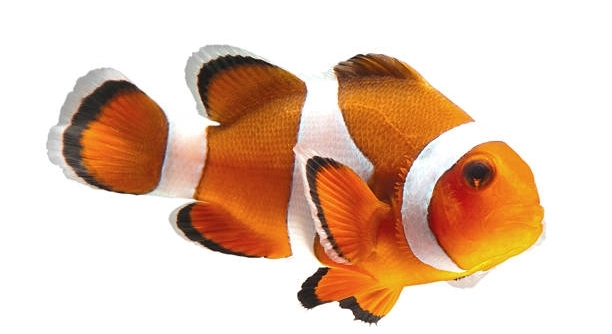
7 Reasons Clownfish Stay at the Top of the Tank
Clownfish are popular aquarium pets known for their bright colors and lively behavior. Many owners notice these fish often stay near the top of the tank. Understanding why they prefer this area can help improve their care and tank setup. Clownfish tend to stay at the top of the tank due to factors such as … Read more
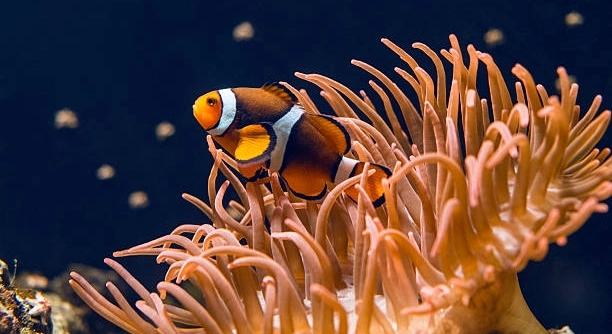
7 Fast Clownfish Tank Fixes for Beginners

Clownfish tanks can be a rewarding hobby, but beginners often face common issues that affect the health of their fish and the tank environment. Managing water quality, feeding, and tank maintenance properly is key to a thriving clownfish habitat. Small adjustments can make a big difference in tank success. Quick fixes for clownfish tanks include … Read more

7 Myths About Clownfish Behavior

Have you ever been fascinated by the colorful world of clownfish but felt unsure about what behaviors are actually true? Many common beliefs about clownfish behavior are based on outdated information or misinterpretations. Scientific research shows that these fish exhibit complex social structures, symbiotic relationships, and adaptive behaviors that are often misunderstood or oversimplified. From … Read more

7 Unexpected Items That Make Clownfish Curious

Clownfish are known for their bright colors and lively behavior in home aquariums. These small fish often show interest in many things around them, sometimes surprising their owners. Understanding what catches their attention helps improve their environment. Clownfish display curiosity toward various unexpected items such as shiny objects, artificial plants, bubbles, reflections, small toys, floating … Read more

Why Did My Clownfish Reject a New Anemone?

Clownfish and anemones share a unique relationship in home aquariums. Sometimes, a clownfish may reject a newly introduced anemone, causing concern for aquarium owners. Understanding why this happens helps maintain a healthy environment for both species. Clownfish reject new anemones mainly due to unfamiliarity, stress, or unsuitable anemone species. The fish may need time to … Read more

7 Signs Your Clownfish Pair Isn’t Compatible

Are your clownfish constantly chasing each other, refusing to share their space, or showing signs of constant stress in the tank? Incompatibility in clownfish pairs often shows through persistent aggression, territorial disputes, and an overall lack of bonding behavior. These signs indicate the fish are unlikely to form a stable pair and may require separation. … Read more

Why Does My Clownfish Hover Over the Heater?

Is your clownfish spending more time hovering near the heater than swimming around its tank, leaving you feeling slightly concerned or confused? Clownfish often hover near the heater due to temperature regulation needs. If the rest of the tank is too cold or unevenly heated, the fish may seek warmth in that specific area to … Read more

Do Clownfish Recognize Reflections?

Clownfish are popular in home aquariums and the wild for their bright colors and unique behavior. Their interactions with their environment often spark interest in how they perceive the world around them. Recognizing reflections is one such intriguing topic. Clownfish do not seem to recognize themselves in reflections as humans do. Studies show they may … Read more

7 Reasons Clownfish Jump from the Tank (+How to Prevent)

Clownfish are popular aquarium pets known for their bright colors and lively behavior. Many owners enjoy watching them swim, but sometimes these fish jump out of their tanks unexpectedly. This article explains why clownfish jump and how to keep them safe. Clownfish may jump from tanks due to factors like poor water quality, lack of … Read more

Can Clownfish Bond Without an Anemone?

Clownfish are known for their close relationship with sea anemones. Many people wonder if clownfish can form bonds without the presence of an anemone nearby. This connection is important for their safety and social behavior. Clownfish can bond without an anemone, but these bonds tend to be less stable and less protective. Anemones provide shelter … Read more