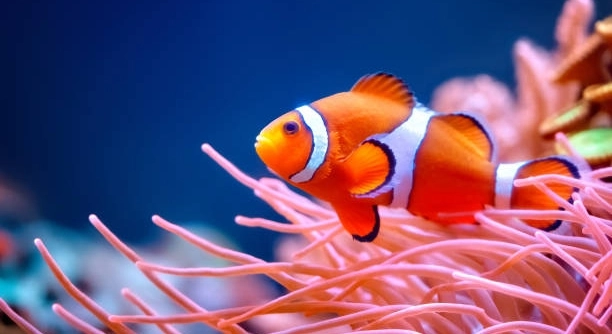
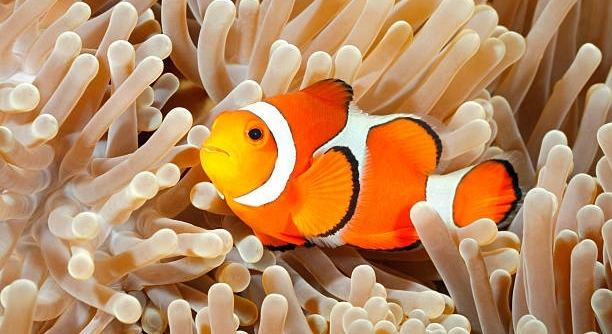
Can Clownfish Sense Changes in the Room?
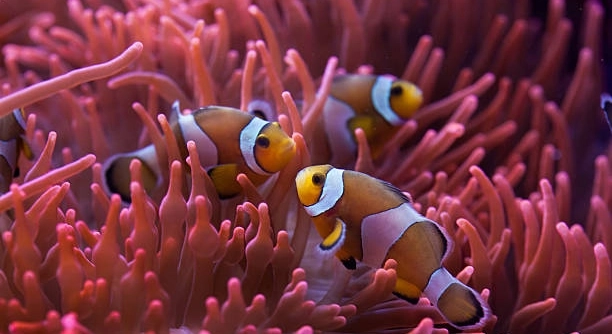
Have you ever looked at your aquarium and wondered if your clownfish can tell when something changes around them? Maybe the lights shift or someone walks into the room, and they react in subtle ways that catch your attention. Clownfish do not have the sensory systems to detect changes in a room like humans do, … Read more
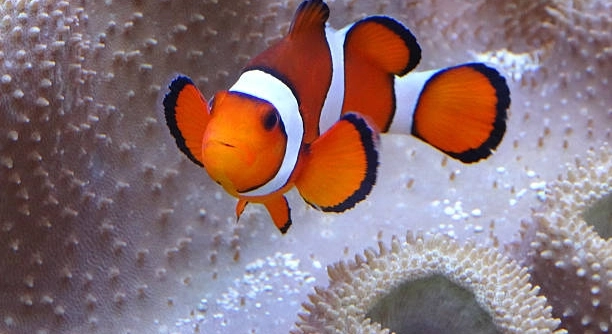
7 Tank Features That Help Clownfish Thrive

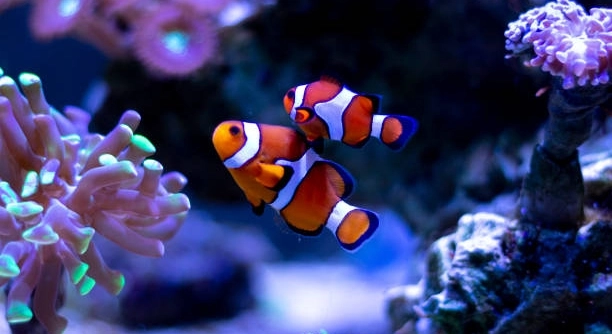
Clownfish are popular in home aquariums because of their bright colors and interesting behavior. Providing the right tank environment is essential for their health and happiness. Certain features in a tank make it easier for clownfish to thrive and grow. The key tank features that support clownfish survival include proper water temperature, stable salinity levels, … Read more

Do Clownfish Communicate Using Motion?

Do you ever notice how clownfish move gracefully among the coral reefs? These colorful fish seem to have a way of interacting beyond just swimming around. Observing their motions can reveal interesting behaviors that hint at communication. Clownfish do use motion as a form of communication. Their body movements and gestures convey important social signals … Read more

Why Is My Clownfish Breathing Fast?

Clownfish are popular aquarium pets known for their bright colors and lively behavior. Sometimes, these fish may start breathing faster than usual, which can be worrying for their owners. Understanding why this happens is important for their care and well-being. Rapid breathing in clownfish is often a sign of stress or poor water conditions. It … Read more

Why Are My Clownfish Always Flicking Their Fins?

Are your clownfish constantly flicking their fins in the aquarium? Many fish owners notice this behavior and wonder what it means. It is common to see clownfish making small fin movements throughout the day. Clownfish flick their fins for several reasons, including communication, maintaining balance, and reacting to their environment. This fin flicking can indicate … Read more

Why Do Clownfish Wobble While Swimming?

Have you ever watched a clownfish swim and noticed its unusual wobbly motion that sets it apart from other fish in the reef? Clownfish wobble while swimming due to their unique pectoral fin movement and rounded body shape, which limit streamlined motion. This swimming style helps them navigate tight coral spaces and maintain balance while … Read more

7 Things to Try Before Introducing a Second Clownfish

Introducing a second clownfish to your tank can be exciting but also tricky. Clownfish have unique social behaviors that may cause challenges when adding a new member. Careful preparation helps create a smoother transition for everyone involved. Before introducing a second clownfish, several important steps should be taken to ensure compatibility and reduce stress. These … Read more

Do Clownfish Mourn Lost Tankmates?

Clownfish are popular aquarium pets known for their bright colors and social behavior. Many people keep them in groups to mimic their natural environment. Observing their interactions can reveal interesting aspects of their behavior and emotional responses. Clownfish do show changes in behavior after losing tankmates, such as reduced activity and social withdrawal. However, current … Read more

7 Unique Traits of Maroon Clownfish

Maroon clownfish are a fascinating species known for their vibrant color and unique behaviors. These small fish live in coral reefs and form strong bonds with sea anemones. Their distinct traits set them apart from other clownfish varieties. The maroon clownfish displays several unique characteristics, including its deep reddish coloration, aggressive territorial behavior, symbiotic relationship … Read more

7 Ways to Reduce Stress in Your Clownfish

Clownfish are colorful and lively pets that need special care to thrive. Stress can affect their health and behavior, making it important to understand how to reduce it. Keeping your clownfish comfortable helps ensure a happy and healthy environment. Stress in clownfish is commonly caused by poor water quality, improper tank conditions, and overcrowding. Providing … Read more