7 Visual Clues That a Clownfish Is Stressed
Clownfish are popular in home aquariums and often bring color and life to tanks. Watching their behavior can help owners know if they are healthy or under stress. Stress in clownfish affects their wellbeing and appearance. Clownfish show stress through changes in color, erratic swimming, loss of appetite, hiding, rapid breathing, fin damage, and unusual … Read more
Why Are My Clownfish Ignoring Each Other?

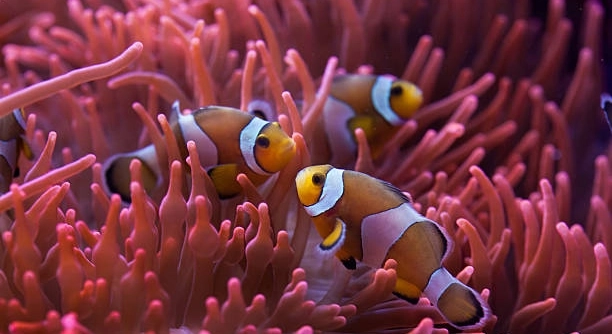
Many people enjoy keeping clownfish as pets because of their bright colors and interesting behaviors. Sometimes, these fish that usually interact well start ignoring each other. This change can be confusing and worrying for aquarium owners. Clownfish may ignore each other due to stress, changes in their environment, or shifts in social hierarchy. Factors such … Read more

7 Ways to Calm Down an Aggressive Clownfish

Clownfish are popular aquarium fish known for their bright colors and lively behavior. Sometimes, they can act aggressive toward other fish or even their caretakers. Understanding how to calm an aggressive clownfish helps create a peaceful environment. Aggressive behavior in clownfish often results from territorial instincts or stress caused by overcrowding, poor water quality, or … Read more

7 Things That Distract Clownfish From Mating

Clownfish have unique behaviors when it comes to mating. Their environment and habits can affect how successfully they reproduce. Understanding what distracts them can help us better support their natural cycles. Several factors distract clownfish from mating, including changes in water quality, presence of predators, lack of suitable nesting sites, social hierarchy disruptions, poor diet, … Read more

7 Clownfish Reactions to Moving Decorations

Clownfish are popular pets in home aquariums. Their behavior often changes when the tank environment is altered. Moving decorations inside the tank can affect how these fish react and interact with their surroundings. Clownfish respond to moving decorations with varied behaviors, including curiosity, caution, territorial displays, and sometimes stress. These reactions are influenced by changes … Read more

Why Are My Clownfish Fighting at Night?

Are your clownfish acting up after the lights go out, leaving you confused and concerned about their sudden nighttime behavior? Clownfish fighting at night is usually caused by territorial disputes, changes in tank conditions, or stress from overcrowding. These aggressive interactions often stem from establishing dominance, especially in smaller tanks or when new fish are … Read more

Are Clownfish More Active in Certain Weather?

Are your clownfish behaving differently when the weather changes? Many fish owners notice shifts in activity but wonder if weather truly affects clownfish behavior. Understanding this can help create a better environment for these colorful pets. Clownfish activity levels can vary depending on weather conditions, particularly temperature and water quality. Warmer temperatures often increase their … Read more

Do Clownfish Pair for Life? (What the Research Says)

Clownfish are popular in marine aquariums and known for their bright colors and unique behavior. Many people find their social habits fascinating, especially how they interact with each other in their natural environment. This article looks at their pairing behavior. Research shows that clownfish do form long-term pairs, often maintaining monogamous relationships. These pairs work … Read more

How Long Can Clownfish Go Without a Mate?

Clownfish are well-known for their vibrant colors and interesting behaviors. They often live in pairs or small groups, forming close bonds with their mates. Understanding how long clownfish can live without a mate sheds light on their social and reproductive habits. Clownfish can survive for several months without a mate, but their reproductive success depends … Read more

7 Unexpected Clownfish Reactions to Stress

Clownfish are popular aquarium fish known for their bright colors and interesting behaviors. Like many animals, they experience stress, which can affect how they act and interact with their environment. Understanding their reactions can help keep them healthy and comfortable. Clownfish respond to stress in several unexpected ways, including changes in swimming patterns, color shifts, … Read more