Why Is My Clownfish Always Pacing?

Is your clownfish constantly pacing back and forth in its tank? This behavior can be puzzling and may cause concern for many aquarium enthusiasts. Understanding why your clownfish acts this way can help improve its environment and well-being. Clownfish pacing is often a sign of stress or discomfort caused by factors such as inadequate tank … Read more

7 Habits of Long-Living Clownfish

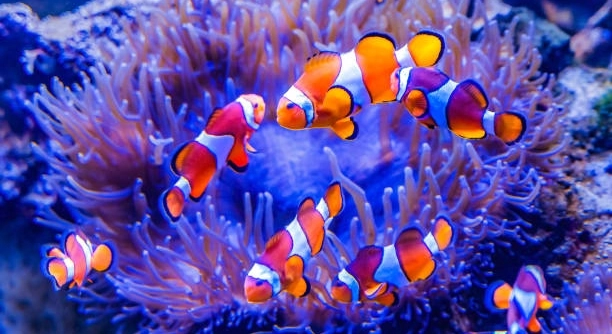
Clownfish are popular for their bright colors and interesting behavior. Many people keep them in home aquariums and wonder how some manage to live longer than others. Understanding their habits can help ensure they stay healthy. The longevity of clownfish is influenced by several key habits including their diet, habitat stability, social interactions, stress management, … Read more

7 Subtle Ways Clownfish Protect Their Space

Have you ever watched clownfish swim through coral reefs and wondered how they manage to keep their space safe from intruders? Clownfish protect their territory through subtle behaviors such as aggressive posturing, vocal sounds, chasing, and selective habitat use. These methods help them defend their host anemone and maintain dominance over their immediate environment. These … Read more

7 Ways to Make a Clownfish Feel Secure

Do you ever find yourself wondering if your clownfish feels truly comfortable and safe in its aquarium environment? Making them feel secure is an important part of creating a healthy home underwater. The best way to make a clownfish feel secure is by replicating its natural environment. This includes providing live rock, anemones or substitutes, … Read more

7 Things That Make a Clownfish Lose Its Host

Clownfish rely on their hosts for shelter and protection in the ocean. These vibrant fish form close bonds with sea anemones, which provide safety from predators. However, certain factors can cause clownfish to lose their valuable hosts. Clownfish may lose their hosts due to environmental changes, anemone health decline, aggression from other fish, poor water … Read more

7 Reasons to Avoid Overfeeding Your Clownfish

Many clownfish owners enjoy watching their colorful pets thrive in home aquariums. Feeding these fish properly is a key part of keeping them healthy and happy. However, overfeeding can cause more harm than good, even when done with good intentions. Overfeeding clownfish leads to poor water quality, increased waste, and health problems such as obesity … Read more

Why Are Clownfish Swimming Face Down?

Clownfish are known for their bright colors and playful movements in the ocean. Sometimes, you might notice them swimming face down, which can seem unusual or even concerning at first glance. This behavior has specific reasons tied to their natural habits. Clownfish swimming face down is typically a result of resting or maintaining balance among … Read more

7 Things to Avoid When Handling Clownfish

Clownfish are popular aquarium pets known for their bright colors and interesting behaviors. Many people enjoy keeping them, but handling them requires care and knowledge. Avoiding common mistakes helps ensure their health and wellbeing. When handling clownfish, it is important to avoid sudden movements, improper water conditions, and excessive handling, as these can cause stress … Read more

Why Is My Clownfish Avoiding the Surface?

Is your clownfish spending more time near the bottom of the tank, avoiding the surface no matter how inviting it looks? Clownfish may avoid the surface due to poor water quality, stress, incorrect temperature, or low oxygen levels. These environmental conditions can make the upper area of the tank uncomfortable or unsafe, leading to bottom-dwelling … Read more

Why Does My Clownfish React to My Shadow?

Have you ever noticed your clownfish acting strange the moment your shadow moves across the tank? You’re definitely not alone in this. Clownfish often react to shadows due to their strong territorial instincts and heightened sensitivity to changes in light and movement. In the wild, shadows can indicate potential threats, so this behavior is rooted … Read more