Why Do Clownfish Shake? (7 Common Reasons)
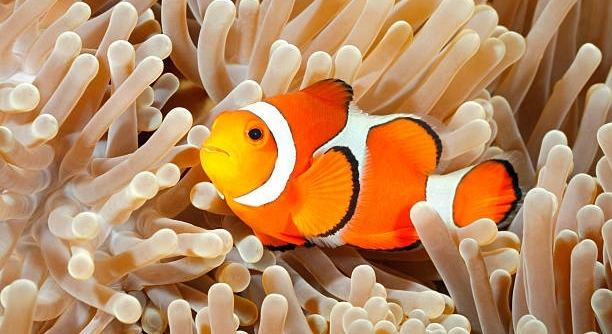
Clownfish are well known for their bright colors and unique behavior in coral reefs. One of their interesting actions is shaking or vibrating, which can catch the attention of divers and aquarium enthusiasts alike. This article explores the reasons behind this curious movement. Clownfish shake for various reasons including communication, stress response, mating behavior, and … Read more
7 Reasons Clownfish Might Bite You

Clownfish are popular aquarium pets loved for their bright colors and playful nature. Many people enjoy watching them swim, but sometimes these small fish may bite unexpectedly. Understanding why this happens can help owners interact better with their clownfish. Clownfish may bite due to territorial behavior, stress, or feeling threatened. They use biting as a … Read more

7 Ways to Tell If Clownfish Are Stressed from Light

Clownfish are popular aquarium fish known for their bright colors and playful behavior. Stress from environmental factors, like light, can affect their health and behavior in subtle ways. Recognizing stress early helps keep them comfortable and healthy. Clownfish exhibit stress from light through changes in color intensity, erratic swimming patterns, hiding behaviors, loss of appetite, … Read more

Can Clownfish Sense Weather Changes?

Have you ever watched your clownfish swimming in their tank and wondered if they sense changes happening outside the water? These small fish seem calm, but sometimes their behavior tells a different story. Clownfish can sense changes in weather through shifts in barometric pressure and subtle environmental cues. Research suggests these fish may respond with … Read more

How Long Until Clownfish Accept a New Tankmate?

Are your clownfish acting distant or aggressive after introducing a new tankmate, leaving you unsure how long it will take them to adjust? Clownfish typically take anywhere from a few days to several weeks to accept a new tankmate, depending on their temperament, tank conditions, and species compatibility. Careful monitoring and a gradual introduction process … Read more

Why Did My Clownfish Stop Interacting With Me?

Many aquarium owners enjoy the lively presence of their clownfish. These vibrant fish often seem social and interactive. When a clownfish suddenly stops engaging, it can feel confusing and disappointing. Understanding the reasons behind this change is important for their care. Clownfish may stop interacting due to stress, illness, changes in their environment, or shifts … Read more

What Does It Mean When Clownfish Stay Still?

Clownfish are popular fish often found in home aquariums and coral reefs. They are known for their bright colors and interesting behaviors. Sometimes, people notice clownfish staying still for long periods. When clownfish stay still, it usually means they are resting or conserving energy. This behavior is normal and common, especially during nighttime or when … Read more

Why Is My Clownfish Building a Sand Nest?

Clownfish are fascinating pets with many unique behaviors. One interesting action you might notice is your clownfish building a nest out of sand. This behavior can be surprising, especially if you’re new to caring for these colorful fish. Clownfish build sand nests primarily as part of their breeding behavior. They prepare a safe and clean … Read more

Can Clownfish Stay Still for Long Periods?

Clownfish are popular marine pets known for their bright colors and lively behavior. Many people notice how these fish move around their tanks or reefs. Observing their activity can lead to questions about their ability to stay still. Clownfish can stay still for periods, but they usually remain active to maintain territory and interact with … Read more

Do Clownfish Prefer Calm or Busy Areas?

Many people enjoy watching clownfish and wonder about their favorite places to live. These colorful fish live among sea anemones, but their environment can be calm or full of activity. Understanding their preferences helps us learn more about their behavior. Clownfish generally prefer calm areas over busy ones. They seek shelter and safety, often choosing … Read more