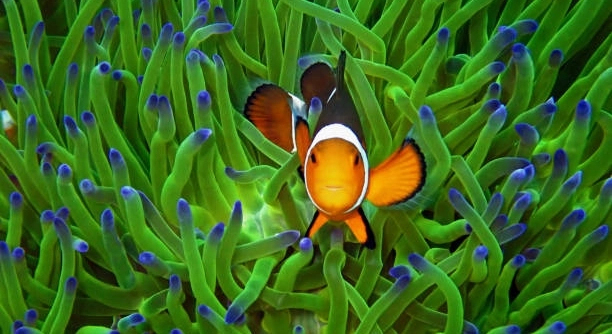
Why Does My Clownfish Stay Vertical for Hours?
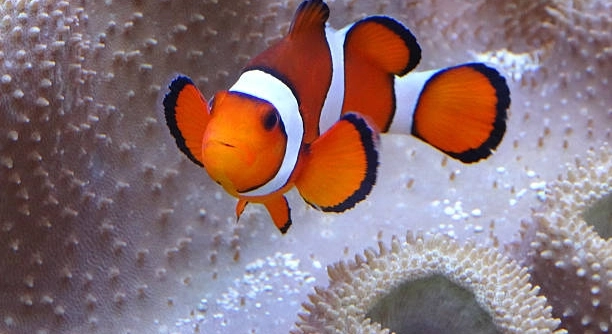
Clownfish are popular in home aquariums due to their bright colors and interesting behavior. Many fish owners notice their clownfish often stay vertical for long periods. This behavior can seem unusual but is quite normal for these fish. Clownfish stay vertical for hours mainly because of their natural swimming habits and need for balance within … Read more
Do Clownfish React to Tankmates’ Emotions?

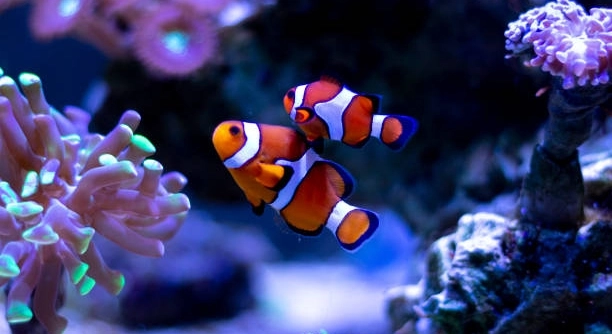
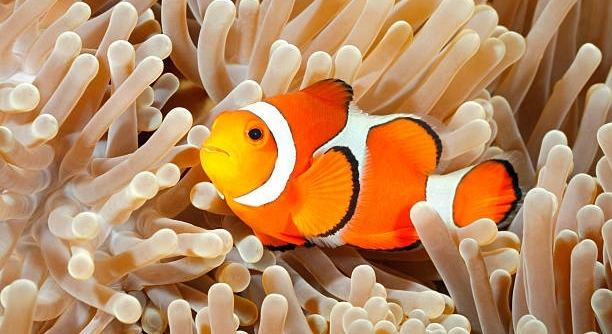
Do you ever wonder how clownfish behave when they share a tank with other fish? Many aquarium enthusiasts notice subtle changes in clownfish behavior around different tankmates. Understanding these interactions can help create a peaceful environment for all aquatic pets. Clownfish do show responses to the moods and behaviors of their tankmates. Research suggests they … Read more

7 Ways to Help Shy Clownfish Feel Confident

Shy clownfish often hide and avoid interaction, making it difficult for them to thrive in their environment. Many fish owners want to help these timid creatures become more confident and comfortable. Building trust is key to improving their behavior. Helping shy clownfish gain confidence involves creating a calm, safe habitat, offering consistent feeding routines, and … Read more

Why Are My Clownfish Only Active in One Spot?

Are your clownfish always huddled in one small area of the tank, barely exploring the rest of their surroundings? This behavior might seem unusual, especially if you’re expecting them to swim freely and explore more. Clownfish often remain in one spot due to their natural bonding with anemones or familiar objects, which they see as … Read more

Do Clownfish Sleep in Shifts?

Do you ever wonder how clownfish rest in their busy coral homes? These colorful fish live in vibrant reefs where many creatures stay active day and night. Their sleeping habits can seem quite different from what we expect. Clownfish do not sleep in shifts like some animals. Instead, they have quiet periods of rest that … Read more

Can Clownfish Learn to Tolerate Each Other?

Clownfish are known for their bright colors and unique relationship with sea anemones. These fish often live close to each other, sometimes sharing small spaces. Their behavior in groups can reveal interesting patterns about how they tolerate each other. Clownfish exhibit varying degrees of social tolerance, often influenced by hierarchy and territory. While some individuals … Read more

Can Clownfish Live Without a Filter?

Clownfish are popular in home aquariums for their vibrant colors and lively behavior. Many enthusiasts want to know if these fish can survive without a filtration system. Understanding their needs is important for proper care. Clownfish can survive for a short time without a filter, but long-term health depends on clean water and stable conditions … Read more

7 Signs of a Healthy Clownfish Pair

Clownfish are popular in home aquariums due to their bright colors and interesting behavior. Keeping a healthy clownfish pair requires understanding their signs of well-being and interaction. These signs help hobbyists maintain a thriving aquatic environment. A healthy clownfish pair displays vibrant colors, active swimming, regular feeding behavior, mutual cleaning, consistent breathing patterns, peaceful coexistence, … Read more

Can Clownfish Detect Tank Parameter Changes?

Clownfish are popular aquarium fish known for their bright colors and unique behaviors. Many aquarists want to ensure their tanks provide the best environment for these fish. Understanding how clownfish respond to changes in their habitat is important for their care. Clownfish can detect changes in tank parameters such as temperature, salinity, and water quality. … Read more

Do Clownfish Adjust to Routine Changes Quickly?

Do you ever find yourself watching your aquarium and wondering how your clownfish respond when something in their daily pattern shifts? Clownfish are capable of adjusting to routine changes, but the speed and ease of their adaptation depend on the type of change, environmental stability, and individual temperament. Minor changes are often tolerated better than … Read more