7 Common Mistakes When Pairing Clownfish
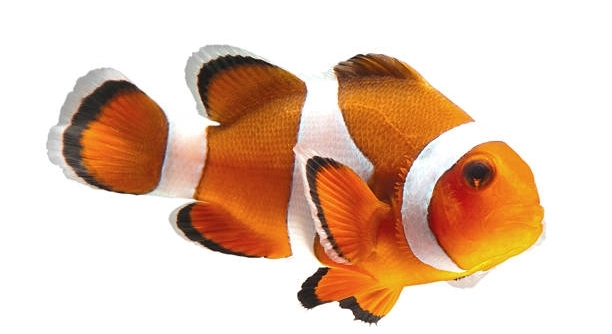
Pairing clownfish in home aquariums can be tricky for many enthusiasts. It requires attention to their behavior and environment to create a peaceful and healthy tank. Mistakes in pairing often lead to stress or aggression between the fish. Common mistakes when pairing clownfish include ignoring compatibility, overcrowding tanks, and failing to monitor aggression levels. Poor … Read more

How Can I Help My Clownfish Adjust Faster?

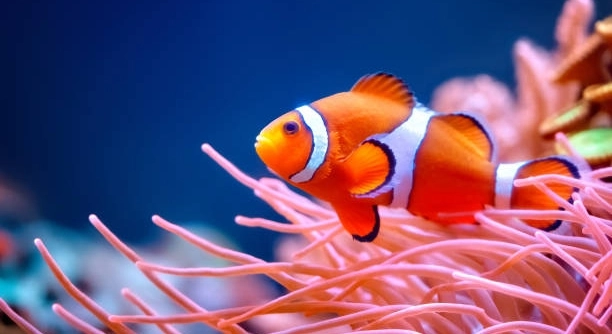
Clownfish are popular pets in home aquariums, but they can take time to get comfortable in a new tank. Helping them adjust quickly involves understanding their needs and environment to reduce stress and promote healthy behavior. To help clownfish adjust faster, provide a stable tank environment with proper water parameters, introduce hiding spots, and avoid … Read more

7 Things That Change Clownfish Swimming Style

Clownfish are known for their bright colors and playful swimming patterns. These small fish often catch the attention of aquarium lovers and marine enthusiasts alike. Their movements can change based on several factors in their environment and health. Several key factors influence clownfish swimming style, including water temperature, oxygen levels, stress, age, diet, tank size, … Read more

Can Clownfish Learn from Repetition?

Clownfish are colorful and popular marine fish often found in coral reefs. Many people enjoy watching their behavior and wonder how they learn in their natural environment. Understanding their learning abilities can help improve care in aquariums. Clownfish show the ability to learn through repetition, displaying behaviors that improve with practice. Studies indicate that repeated … Read more

7 Clownfish Behaviors That Mean “Back Off”

Clownfish are popular in home aquariums because of their bright colors and unique behaviors. They communicate a lot through body language and sounds. Sometimes, their actions are meant to warn others to keep their distance. Certain clownfish behaviors clearly indicate a desire to be left alone. These include specific fin displays, rapid swimming movements, and … Read more

Can Clownfish Identify Tank Changes Quickly?

Clownfish are popular pets for many aquarium lovers. They live in colorful coral reefs and adapt well to tanks. Keeping their environment stable is important for their health and behavior in captivity. Clownfish can recognize changes in their tank quickly through visual and chemical cues. Their sensitivity helps them respond to new objects, water quality … Read more

Are Clownfish More Active at Night or Day?

Clownfish are popular aquarium fish known for their bright colors and close relationship with sea anemones. Many people enjoy watching their behavior but may wonder about their activity patterns. Understanding when clownfish are most active can help in caring for them properly. Clownfish are generally more active during the day. They use daylight hours to … Read more

7 Clownfish Tank Layouts That Work

Clownfish tanks require thoughtful design to create a healthy and comfortable environment. Choosing the right layout helps support the fish’s natural behavior and enhances the tank’s visual appeal. Proper planning ensures both functionality and beauty in your aquarium. Effective clownfish tank layouts focus on balancing open swimming spaces with ample hiding spots. Incorporating live rock … Read more

Can Clownfish Live in Freshwater? (Answered)

Have you ever been fascinated by clownfish and thought about keeping one in your freshwater aquarium at home? These colorful fish often attract attention due to their bright appearance and unique behavior. Clownfish cannot live in freshwater because they are strictly saltwater fish. Their bodies are adapted to the salinity and mineral levels found in … Read more

Why Is My Clownfish Shaking Violently?

Is your clownfish suddenly shaking or twitching in a way that seems strange or worrying compared to its usual behavior? Clownfish often shake or tremble as part of their natural social behavior, especially during dominance displays. However, if the movement is excessive or paired with other symptoms, it could signal stress, illness, or poor water … Read more