What Lighting Do Clownfish Prefer? (Simple Guide)
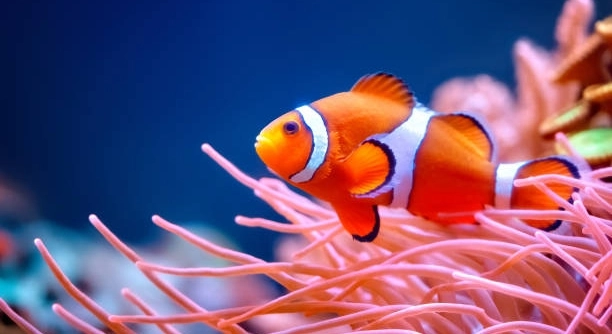
Clownfish are popular aquarium fish known for their bright colors and lively behavior. Many hobbyists want to create the best environment for them. Lighting plays an important role in keeping clownfish healthy and comfortable in captivity. Clownfish prefer moderate lighting that mimics their natural reef habitat. Bright, direct light can cause stress, while too little … Read more
Why Did My Clownfish Flip Upside Down After Eating?

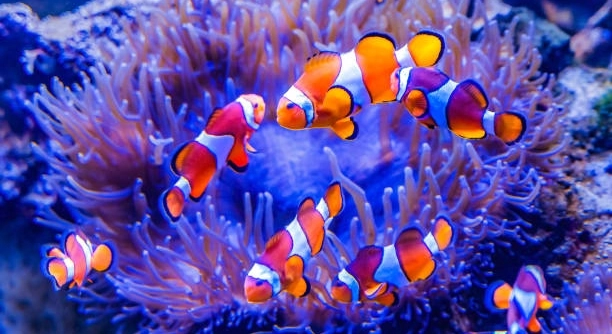
Clownfish are popular pets for many aquarium enthusiasts. They usually swim upright and actively around their tank. Sometimes, after eating, these fish may flip upside down, which can surprise and worry their owners. Clownfish flipping upside down after eating is often caused by buoyancy issues due to overfeeding or swallowing air. This disrupts their swim … Read more

7 Sounds That Might Spook Your Clownfish

Many people enjoy keeping clownfish as pets and want to create a calm environment for them. Sounds in and around the tank can affect their behavior in surprising ways. Knowing what noises might startle your clownfish helps you care for them better. Clownfish are sensitive to certain sounds like loud bangs, tapping, and vibrations near … Read more

Can Clownfish Host Fake Anemones?

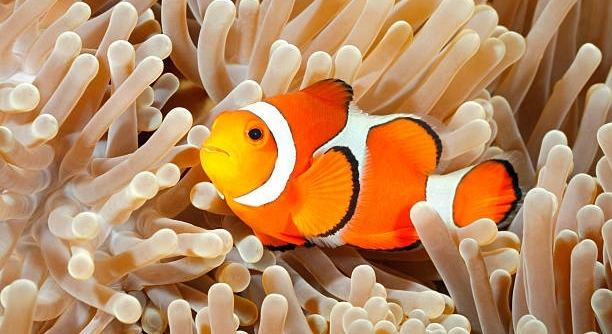
Clownfish are famous for living safely among sea anemones. These colorful fish rely on anemones for protection and shelter in their natural habitat. But not all anemones are real, and sometimes fake ones appear in aquariums or other settings. Clownfish cannot host fake anemones because their symbiotic relationship depends on the specific chemical signals and … Read more

Why Did My Clownfish Start Avoiding Its Area?

Many clownfish owners notice their fish suddenly avoiding their usual spots. Changes in behavior can be confusing and worrying for those who care about their aquatic pets. Understanding why this happens can help keep clownfish healthy and comfortable. Clownfish may start avoiding their area due to stress, changes in water quality, illness, or disruptions in … Read more

7 Odd Clownfish Movements That Aren’t Dangerous

Clownfish often display unique movements that may seem strange to observers. These actions can catch the eye but are usually harmless. Learning about these behaviors helps us better understand these colorful fish in their natural environment. Seven odd movements by clownfish, such as darting quickly, circling, or rubbing against coral, are generally normal behaviors related … Read more

Why Is My Clownfish Hosting a Plastic Plant?

Many aquarium owners notice their clownfish spending time near plastic plants. These artificial decorations often become a favorite spot for fish. Understanding why this happens can improve both fish care and tank setup. Clownfish host plastic plants primarily for shelter and security. These plants provide hiding spaces that mimic natural environments, reducing stress and offering … Read more

7 Enrichment Tricks to Stimulate Clownfish

Do your clownfish often seem bored or uninterested in their tank, even when conditions appear just right for them to thrive? Clownfish benefit greatly from enrichment tricks that support their natural instincts. These tricks encourage exploration, reduce stress, and promote mental stimulation. A more active environment improves overall behavior, making them healthier and more interactive … Read more

Do Clownfish Sleep in the Same Spot Every Night?

Many people who keep clownfish as pets often wonder about their sleeping habits. These colorful fish live in busy coral reefs and seem active most of the day. Understanding where clownfish rest at night can help hobbyists care for them better. Clownfish generally sleep in or near their host anemones, often returning to the same … Read more

7 Things Clownfish Need That Aren’t Obvious

Clownfish are popular pets for many aquarium lovers. They need more than just clean water and food to stay healthy. Some of their needs are not very obvious but are very important for their well-being. Clownfish require specific water conditions, proper tank mates, and environmental enrichment beyond basic care. Factors such as stable salinity, appropriate … Read more