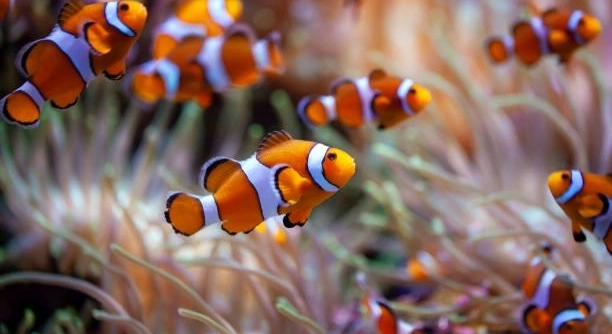
7 Strange Clownfish Rituals Explained

Have you ever found yourself fascinated by the quirky behaviors of clownfish while watching them dart around coral reefs? Their tiny size and bold stripes may seem cute, but their daily lives are far more complex than they appear. Clownfish rituals can seem strange, but many serve essential biological and social purposes. From changing sex … Read more
What Temperature Is Best for Clownfish?

Clownfish are popular pets for marine aquarium enthusiasts. Maintaining the right environment is key to their health and vibrant colors. Temperature plays an important role in keeping clownfish comfortable and thriving in captivity. The ideal temperature range for clownfish is between 74 and 79 degrees Fahrenheit (23 to 26 degrees Celsius). This range supports their … Read more

7 Ways to Make Your Clownfish More Active

Is your clownfish spending too much time resting at the bottom of the tank? Many fish owners notice their clownfish seem less lively than expected. Understanding how to encourage more activity can improve their health and enjoyment. Increasing clownfish activity involves creating a stimulating environment, ensuring proper water quality, providing a balanced diet, and encouraging … Read more

7 Surprising Ways Clownfish Communicate

Clownfish are known for their bright colors and interesting behaviors in coral reefs. They live in close groups and have unique ways to interact with each other every day. Communication helps them survive and thrive in their environment. Clownfish communicate through body movements, sounds, color changes, and chemical signals. These methods allow them to establish … Read more

7 Clownfish Signals That Mean “Stay Away”

Clownfish are known for their bright colors and lively behavior in coral reefs. While they often seem friendly, they use certain signals to warn others to keep their distance. Recognizing these signs can help avoid unwanted encounters. Clownfish display seven distinct signals that mean “stay away.” These include rapid fin flicking, sudden darting movements, lateral … Read more

Do Clownfish Dislike Sudden Light Changes?

Clownfish are popular aquarium fish known for their bright colors and lively behavior. They live among sea anemones in coral reefs and experience varying light conditions. Understanding their reaction to light changes helps keep them comfortable in captivity. Clownfish generally show stress when exposed to sudden light changes. Abrupt shifts can disrupt their natural behavior … Read more

Can Clownfish Recognize the Person Who Feeds Them?

Clownfish are popular aquarium fish known for their bright colors and close relationship with sea anemones. Many people keep them as pets and often feed them regularly. Their behavior around humans raises interesting questions about recognition. Research shows that clownfish can learn to recognize the person who feeds them through repeated interactions. They use visual … Read more

Do Clownfish Recognize Other Fish?

Clownfish are popular for their bright colors and close relationship with sea anemones. Many people enjoy watching them in home aquariums or in the wild. These fish show interesting behaviors that make them stand out among other species. Clownfish do have the ability to recognize other fish, especially their own kind and familiar individuals. Studies … Read more

7 Bad Tank Habits That Bother Clownfish

Keeping clownfish healthy takes more than just a tank and water. Many tank owners unknowingly develop habits that stress these delicate fish. Small mistakes in care can cause big problems over time. Seven common bad tank habits can negatively affect clownfish health and behavior. These include improper feeding, poor water quality, inadequate tank size, lack … Read more

7 Little Clownfish Habits That Mean They’re Happy

Clownfish are small, colorful fish often seen in home aquariums. Their behaviors can tell us a lot about how they feel in their environment. Observing their habits helps owners understand their well-being. Happy clownfish display behaviors like active swimming, frequent cleaning of their anemone home, and regular feeding response. They also interact with other fish … Read more