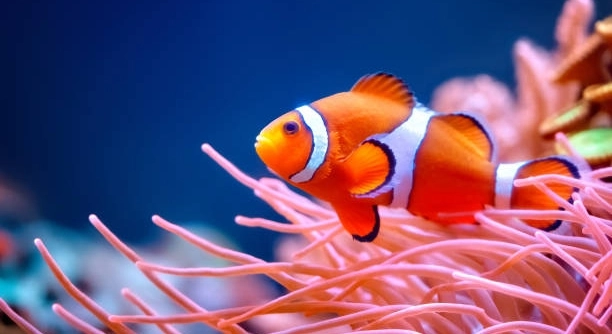
How Big Should a Clownfish Tank Be? (Guide)
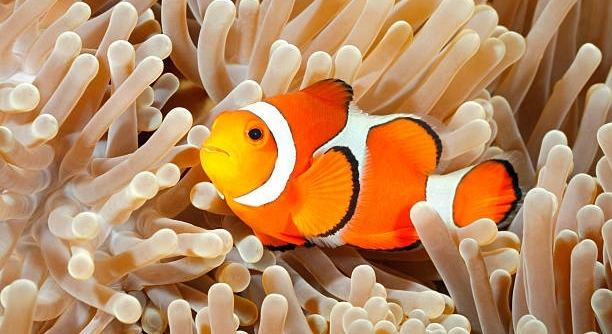
Clownfish are popular pets for many aquarium enthusiasts who want to enjoy vibrant marine life at home. Setting up the right environment is important for their health and happiness. One key aspect is choosing an appropriately sized tank. A clownfish tank should be at least 20 gallons to provide enough space for swimming and proper … Read more

Why Do Clownfish Bite Decorations?

Clownfish are popular aquarium pets known for their bright colors and lively behavior. Many owners notice that these fish sometimes bite or nibble on tank decorations. This behavior can be puzzling and raise questions about why they do it. Clownfish bite decorations primarily due to territorial instincts and natural foraging behavior. In captivity, they may … Read more

Can Clownfish Develop Patterns of Behavior?

Clownfish are well-known for their bright colors and interesting relationships with sea anemones. Many people enjoy watching their lively movements and social interactions in aquariums or natural reefs. Understanding how these fish behave helps us appreciate their complex world. Clownfish can develop patterns of behavior through learning and environmental interactions. These patterns include territorial defense, … Read more

Why Are My Clownfish Ignoring the New Coral?

Clownfish and coral often share a special relationship in home aquariums. When introducing new coral, it’s common to notice changes in clownfish behavior. These small shifts can feel confusing for aquarium enthusiasts. Clownfish may ignore new coral due to unfamiliarity, stress, or environmental factors such as water quality and lighting. These conditions affect their comfort … Read more

7 Signs Your Clownfish Tank Needs a Redesign

Clownfish tanks can add vibrant life to any home, but sometimes they need adjustments to stay healthy and balanced. Recognizing when your tank requires a redesign can help maintain a thriving environment for your fish and other aquatic life. Signs your clownfish tank needs a redesign include persistent algae growth, poor water circulation, overcrowding, improper … Read more

Can You House Multiple Clownfish Species Together?

Keeping clownfish is popular among marine aquarium enthusiasts who enjoy vibrant colors and interesting behaviors. Many wonder if different clownfish species can live peacefully in the same tank without conflict or stress. Understanding their compatibility is key to a healthy aquatic environment. Housing multiple clownfish species together is possible under specific conditions. Proper tank size, … Read more

Are Clownfish More Active After Feeding?

Clownfish are popular marine creatures known for their vibrant colors and interesting behaviors. Many fishkeepers and enthusiasts observe their daily habits closely. One common curiosity is how their activity levels change after feeding times. Clownfish generally become more active immediately after feeding due to increased energy from food intake. This activity spike includes swimming, exploring, … Read more

7 Signs Your Tank Is Too Crowded for Clownfish

Keeping clownfish in a tank can be rewarding, but overcrowding may cause problems. Many fish owners do not realize when their tank becomes too crowded, which can affect the fish’s health and behavior. Recognizing signs early is important for a balanced aquarium. A tank is considered too crowded for clownfish when the fish exhibit stress … Read more

Should You Keep Clownfish in Pairs or Groups?

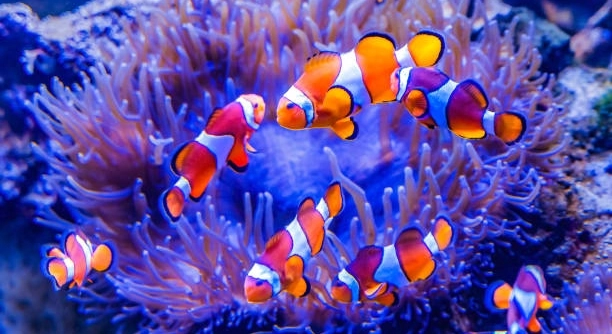
Clownfish are popular aquarium fish known for their bright colors and interesting behaviors. Many people enjoy keeping them because they add life and movement to a tank. Choosing how many clownfish to keep together is an important decision for any hobbyist. Clownfish can be kept in pairs or groups, but their social behavior and territorial … Read more

7 Things That Signal a Clownfish Territory Change

Clownfish are known for their strong connection to specific sea anemones where they live and protect their territory. Changes in their territory can signal shifts in behavior or environment. Understanding these signs helps in observing their natural habits. Clownfish territory changes are indicated by altered swimming patterns, increased aggression, new anemone occupation, shifts in feeding … Read more