7 Times Convict Cichlids Outgrow Expectations
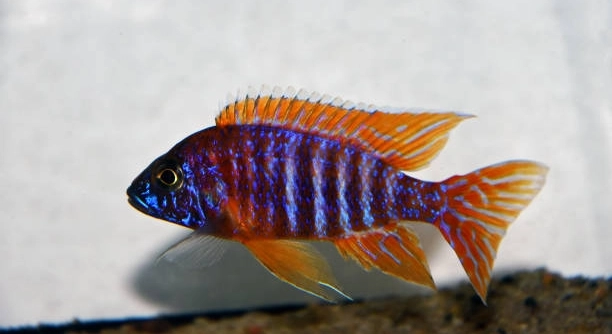
Convict cichlids often begin as small, hardy fish, yet their growth can surprise many keepers when conditions are favorable and care is consistent in home aquariums over time despite modest expectations and limited initial planning. Convict cichlids frequently exceed expected size due to genetic potential, high adaptability, and sustained feeding regimes, combined with stable water … Read more
7 Ways to Tell If Cichlid Eggs Are Dead

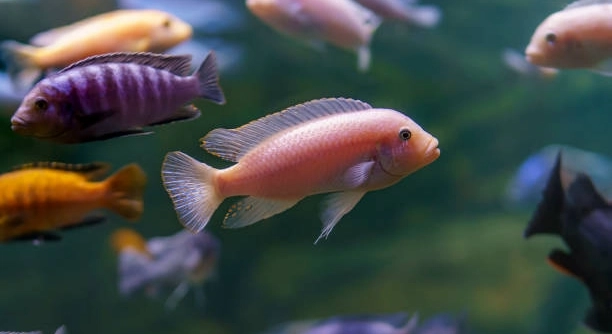
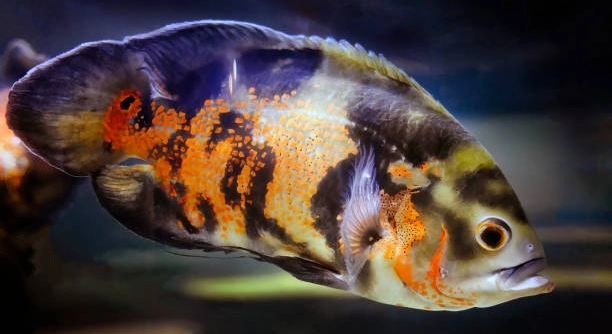
Caring for cichlids can be rewarding, especially when watching them breed. Eggs are fragile and require attention, as knowing their condition early helps prevent potential loss and ensures the health of both the fry and the parents. Cichlid eggs can be identified as dead through visual and tactile signs. Common indicators include discoloration, fungus growth, … Read more

Why Do Convict Cichlids Lock Lips?

Convict cichlids are small freshwater fish known for their striking patterns and lively behavior. Observing them in a tank often reveals unusual interactions, with one of the most fascinating being their lip-locking behavior. Convict cichlids lock lips primarily as a form of territorial or mating behavior. This action is a display of dominance or courtship, … Read more

Why Are My Convicts Digging in a New Spot?

Do you ever notice your convicts suddenly choosing a new place to dig and wonder what might be prompting this change in behavior? Many caretakers find it puzzling when familiar patterns suddenly shift. Convicts often dig in new spots due to environmental changes, stress, or the search for better hiding or breeding locations. These behaviors … Read more

Can You Keep Cichlids in a Divided Tank?

Have you ever wondered whether cichlids can share space without constant conflict when housed in a divided aquarium, especially when territory, stress levels, and water conditions still influence daily behavior and overall tank harmony balance. Cichlids can be kept in a divided tank when proper barriers, compatible species selection, and stable water parameters are maintained. … Read more

7 Weird Things Convict Cichlids Sometimes Do

Convict cichlids are fascinating fish that display unusual behaviors in their tanks. Observing them can be surprising, as they sometimes act in ways that seem unpredictable or even slightly strange. Their habits often catch new owners off guard. Some common weird behaviors of convict cichlids include digging excessively, rearranging tank decorations, exhibiting unusual aggression, forming … Read more

7 Breeding Triggers You Can Control

Are your pets showing signs of unexpected behavior that leave you puzzled? Small changes in their environment or routine can have a big impact on how they act day to day, often without obvious triggers. Breeding triggers in animals are often influenced by controllable factors such as diet, lighting, temperature, social interactions, and habitat conditions. … Read more

7 Problems Caused by Uneven Tank Temps

Uneven tank temperatures can quietly create stress for fish and other aquatic pets. Many owners overlook how small temperature differences can affect behavior, appetite, and overall health in the long run. Proper temperature management is essential. Uneven tank temperatures can lead to a variety of problems, including weakened immune systems, uneven growth, increased aggression, and … Read more

Can Convict Cichlids Recognize Movement Patterns?

Many aquarium owners enjoy observing their convict cichlids swim around and interact with their environment. These fish are known for their bold behavior and active movements, making them interesting subjects for studying patterns in movement. Convict cichlids can recognize and respond to movement patterns in their surroundings. Research indicates they use visual cues to detect … Read more

Why Is My Cichlid Biting the Substrate?

Many aquarists enjoy keeping cichlids for their bright colors and lively personalities. Observing their behavior can be rewarding, but some actions, like biting the substrate, may leave owners puzzled about what it means. Cichlids often bite the substrate as a natural behavior linked to feeding, territory marking, or breeding instincts. This action is generally harmless, … Read more