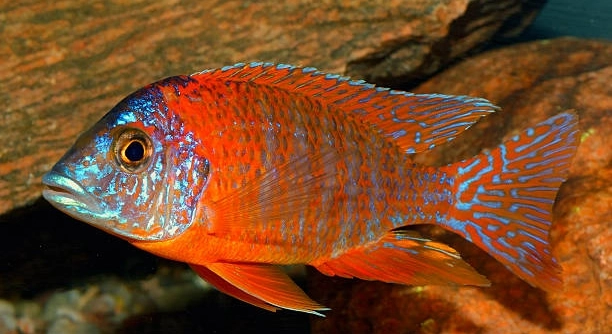
Why Are My Cichlids Obsessed With One Rock?
Do your cichlids seem to spend all their time near a single rock in the tank? Many fish owners notice this unusual behavior and find themselves wondering why one rock becomes their favorite spot to explore and guard. Cichlids often focus on one rock due to territorial instincts, breeding preferences, and environmental comfort. Rocks provide … Read more

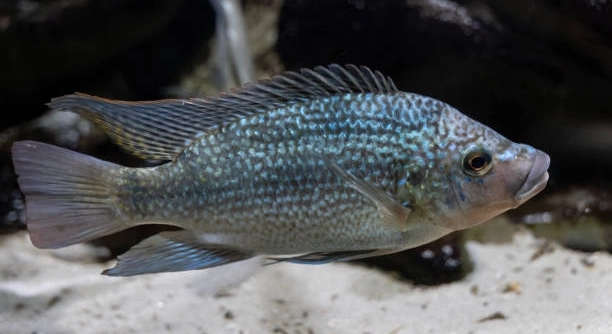
Are Convict Cichlids Smart? (+What They Learn)

Many aquarists notice convict cichlids displaying curious behaviors, problem solving, and strong social awareness in home tanks, sparking interest in their learning abilities and everyday intelligence among keepers and researchers alike across varied captive environments. Convict cichlids demonstrate measurable intelligence through associative learning, memory retention, and adaptive problem solving. Research shows they recognize individual tank … Read more

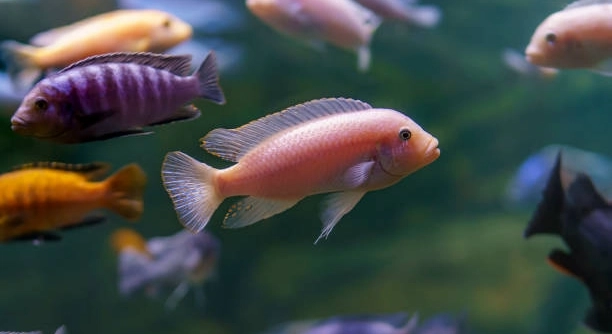
7 Reasons Your Cichlid Won’t Eat Pellets

Cichlids are beautiful and vibrant fish that bring life to any aquarium. Watching them thrive is rewarding, but it can be frustrating when they refuse to eat the pellets meant to sustain them properly. There are several reasons why cichlids may reject pellet food, including stress, poor water conditions, inappropriate pellet size, nutritional preferences, health … Read more

Why Are My Cichlids Guarding Nothing?

Are your cichlids suddenly acting protective even though there is no visible threat or eggs to guard? Many fish owners notice this behavior and feel puzzled about why their usually calm fish seem unusually alert. Cichlids may exhibit guarding behavior without eggs due to territorial instincts, environmental stressors, or changes in tank dynamics. Such behaviors … Read more

7 Tips to Spot Early Cichlid Aggression

Cichlids are vibrant and fascinating fish, but their social behavior can sometimes turn aggressive. Watching for early signs of tension in your aquarium helps keep your fish safe and maintains a peaceful environment for all inhabitants. Early cichlid aggression can be identified through specific behaviors such as chasing, nipping, color changes, and territorial displays. Recognizing … Read more

7 Ways to Spot a Submissive Convict Cichlid

Keeping convict cichlids can be rewarding, yet understanding their social signals matters for a calm aquarium. Recognizing submissive behavior helps reduce stress, prevent injuries, and support balanced tank dynamics for healthier fish and community harmony. Submissive convict cichlids display consistent behavioral cues including reduced aggression, avoidance of dominant individuals, darker stress coloration, and limited territory … Read more

Can You Train Convict Cichlids to Eat From Hand?

Many aquarium keepers become curious about how intelligent convict cichlids really are and how daily interaction can shape their behavior, feeding routines, and trust levels within a home tank environment over time with consistent care. Convict cichlids can be trained to eat from hand through consistent conditioning, calm movements, and routine feeding schedules. Their strong … Read more

How to Hand Feed Your Convict Cichlid

Hand feeding a convict cichlid builds trust, improves observation, and creates calm interaction during care. This guide explains safe preparation, timing, and technique, helping you approach feeding with confidence and respect for your fish health. Hand feeding a convict cichlid is achieved by offering small portions of food between clean fingers while maintaining stillness. This … Read more

7 Odd Places Convict Cichlids Lay Their Eggs

Convict cichlids are known for surprising aquarium keepers with their strong instincts and bold behavior, especially during breeding periods, when egg laying can occur in places that seem unusual, unexpected, and sometimes amusing to observe. Convict cichlids often lay eggs in odd locations because they prioritize shelter, security, and territorial control. Enclosed or overlooked surfaces … Read more

Why Do Convict Cichlids Move the Substrate?

Do your convict cichlids often rearrange the gravel and sand in their tank, leaving you puzzled at their busy activity? Their constant digging and moving can seem chaotic, yet it is a natural behavior. Convict cichlids move the substrate primarily to establish and maintain territory, construct breeding sites, and create a suitable environment for their … Read more