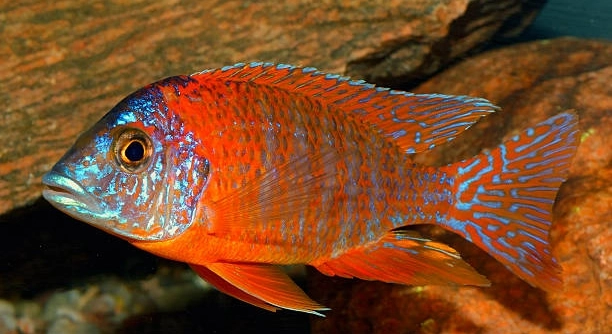
7 Simple Ways to Calm Aggressive Cichlids
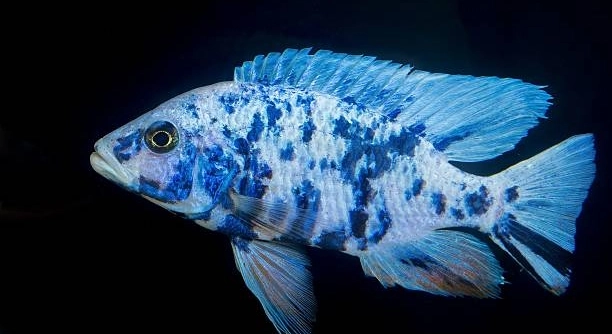
Are your cichlids showing signs of aggression and making your tank a stressful place? Aggressive behavior is common among these fish, but it can be managed with careful attention and small changes to their environment and routine. Managing aggressive cichlids involves addressing their environment, diet, and social dynamics. Adjusting tank size, providing hiding spots, regulating … Read more
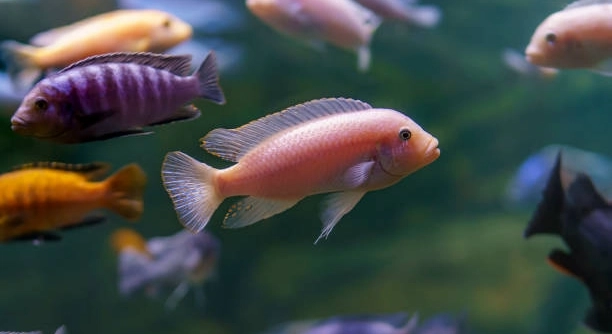
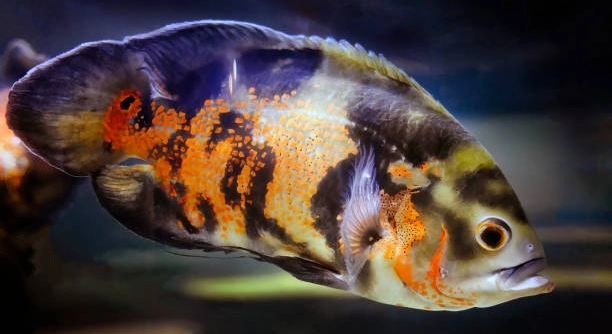
7 Tank Changes That Trigger Mating Behavior

Tank conditions can influence fish behavior in surprising ways, especially when it comes to mating. Small adjustments in water, lighting, and space can make a noticeable difference in how your fish interact and display natural behaviors. Certain changes in a fish tank, including water temperature shifts, increased aeration, new decorations, substrate adjustments, and altered lighting … Read more

Do Convict Cichlids Recognize Tank Changes?

Convict cichlids are popular freshwater fish known for their bold colors and active behavior. Many aquarists enjoy observing their interactions, but these fish can also be sensitive to changes in their environment. Small adjustments in their tank can affect their behavior. Convict cichlids are capable of recognizing changes in their tank, including rearranged decorations, new … Read more

7 Causes of Fin Damage in Convict Cichlids

Convict cichlids are popular aquarium fish, admired for their bright colors and lively behavior. Many owners enjoy watching them interact, but their fins are delicate and prone to damage from different environmental and social factors. Fin damage in convict cichlids can result from poor water quality, aggressive tank mates, nutritional deficiencies, bacterial or fungal infections, … Read more

Why Are My Convict Cichlids So Secretive?

Are your convict cichlids hiding in corners or behind decorations more than you expect? These lively fish often display secretive behaviors, leaving owners unsure about their well-being or natural tendencies within the aquarium environment. Convict cichlids exhibit secretive behavior primarily due to stress, environmental changes, and their instinctual need for territory and safety. Providing ample … Read more

What If Only One Cichlid Guards the Fry?

Do you ever notice your cichlids caring for their young and wonder how they manage it alone? Watching a single parent guard fry can be fascinating, especially when it seems like a full-time responsibility. When only one cichlid guards the fry, the parent assumes full responsibility for protection, feeding guidance, and territory defense. This solitary … Read more

7 Things That Can Delay Cichlid Spawning

Breeding cichlids can be an exciting part of aquarium keeping, yet sometimes spawning takes longer than expected. Observing your fish carefully helps identify subtle behaviors and environmental factors that may influence their reproductive timing. Several factors can delay cichlid spawning, including water quality, temperature fluctuations, inadequate diet, stress from tank mates, insufficient hiding spaces, improper … Read more

How to Spot a Male Convict Cichlid (Fast)

Male convict cichlids are popular in home aquariums due to their bold stripes and active behavior. Recognizing males early can help with breeding, tank compatibility, and ensuring a balanced aquatic environment for all your fish friends. Male convict cichlids can be distinguished by their larger size, more pointed dorsal fins, and the presence of a … Read more

Why Do My Cichlids Watch Me Through the Glass?

Do your cichlids often seem to follow your every move through the glass? Many aquarium owners notice this behavior and wonder why their fish pay so much attention. It can feel surprisingly personal and engaging. Cichlids watch their owners primarily out of curiosity, recognition, and expectation of feeding. They can identify familiar movements and associate … Read more

7 Reasons Fry Might Hide From Their Parents

Fry often finds themselves avoiding their parents for reasons that may seem small at first but can add up over time. These moments of hiding can reflect feelings, habits, or situations they are not ready to share. Fry may hide from their parents due to embarrassment, fear of judgment, a desire for privacy, or to … Read more