Do Convict Cichlids Like Fast Water Flow?

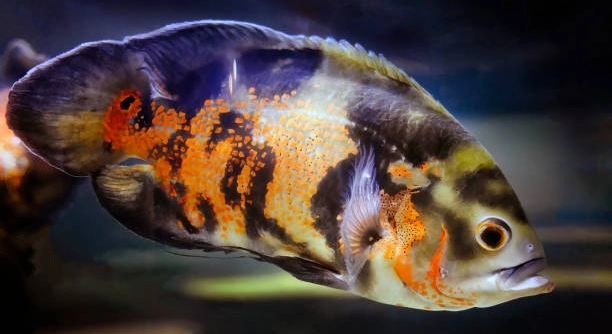
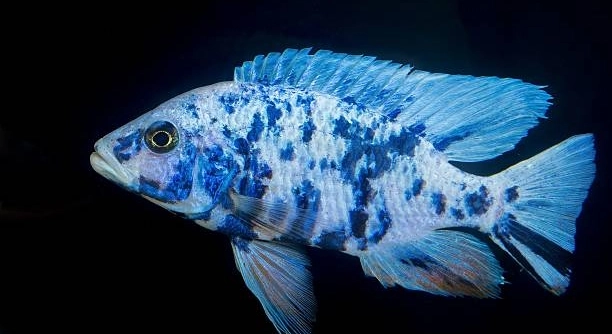
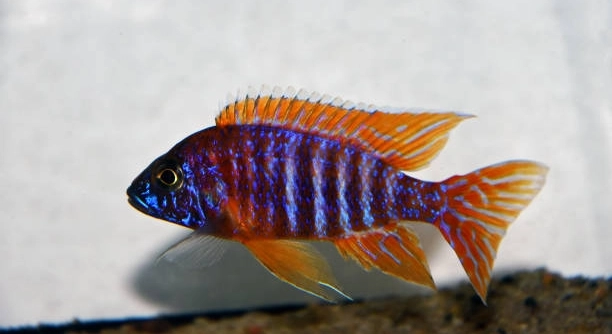
Convict cichlids are popular freshwater fish known for their bold colors and active behavior. Many aquarists enjoy keeping them because they are hardy and easy to care for, making them suitable for beginner fish keepers. Their environment can affect their activity levels and overall health. Convict cichlids generally prefer moderate water flow rather than fast … Read more
7 Reasons Fry May Refuse To Grow

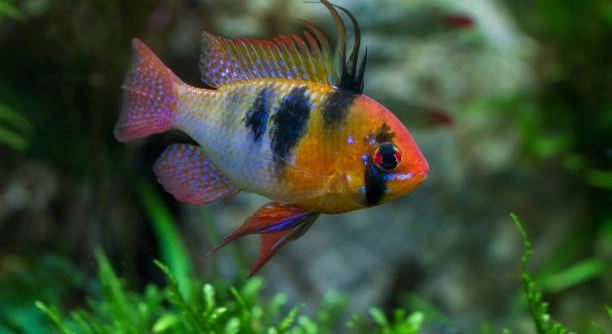
Have you ever noticed that your fry seem smaller than expected, even after weeks of feeding and care? Observing their slow growth can be worrying, especially when you have put effort into creating a healthy environment for them. Fry may refuse to grow due to a combination of factors including poor water quality, inadequate nutrition, … Read more

What Tank Decor Do Convict Cichlids Prefer?

Convict cichlids are lively fish that enjoy structured and secure spaces in their tanks. Their natural behavior leans toward territories with hiding spots and visual boundaries, making the right decor essential for their comfort and wellbeing. Convict cichlids prefer tanks with rocks, caves, and sturdy plants that allow for hiding and territorial boundaries. Open swimming … Read more

Can Cichlids Survive in Low-Oxygen Water?

Cichlids are colorful and lively fish that many hobbyists enjoy keeping in home aquariums. They are known for their vibrant personalities and unique behaviors, making them a popular choice for both beginners and experienced fish keepers. Cichlids can survive in low-oxygen water for short periods, but prolonged exposure can stress them, weaken their immune system, … Read more

What Happens When Cichlids Lose Their Mate?

Cichlids form strong pair bonds that are crucial for their social and reproductive lives. Losing a mate can disrupt their daily routines, affect their behavior, and change the dynamics within their tank or natural habitat. When cichlids lose their mate, they often exhibit signs of stress, reduced activity, and altered social interactions. Their breeding behaviors … Read more

Why Is My Convict Digging Next to the Glass?

Many aquarium owners notice their convict cichlid digging persistently along the glass. This behavior often appears sudden and confusing, yet it reflects natural instincts shaped by environment, territory, and breeding habits within captive tanks settings. Convict cichlids dig next to the glass primarily due to territorial establishment and nesting behavior. The glass edge offers a … Read more

7 Reasons Why Your Convict Cichlid Disappeared

Many aquarium owners enjoy keeping convict cichlids for their bold colors and active behavior. These fish are lively and can be fascinating to watch, but sometimes they vanish from the tank without an obvious explanation. The disappearance of a convict cichlid often results from stress, illness, predation, poor water quality, or hiding behavior. Each factor … Read more

Can Convict Cichlids Live Alone? (+What to Know)

Convict cichlids are popular freshwater fish known for their bold colors and energetic personalities. Many hobbyists enjoy watching them interact in community tanks or with a partner. These fish can show strong territorial behaviors even in home aquariums. Convict cichlids can live alone, as they are highly adaptable and capable of thriving without tank mates. … Read more

Can Convicts Get Confused by Tank Decor?

Many people enjoy decorating their homes with unique items, and some even choose military-style decor. Tanks and other armored vehicles can add a bold touch to a room, sparking conversation or showing personal interest. Convicts may experience confusion or discomfort when exposed to tank decor due to associations with conflict or authority. Psychological responses can … Read more

7 Things to Know About Cichlid Social Bonds

Cichlids are fascinating fish, well-known for their bright colors and active behaviors. Many people keep them in aquariums and enjoy observing how they interact with one another in their social groups. Cichlid social bonds are complex and vary by species, involving hierarchy, territory, mating partnerships, and parental care. These bonds influence stress levels, aggression, and … Read more