Can African Cichlids Learn Their Names?
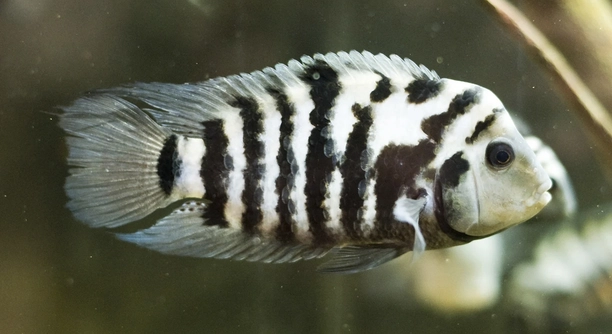
African cichlids are colorful freshwater fish popular in home aquariums. Many fish owners enjoy watching their behaviors and wonder about their intelligence. These fish show interesting social and learning abilities in their natural habitats. Research shows that African cichlids can recognize and respond to individual humans, including their names, through consistent training and repetition. Their … Read more
Can African Cichlids Become Tame Over Time?

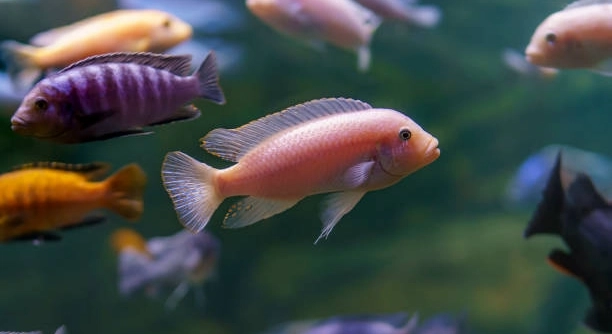
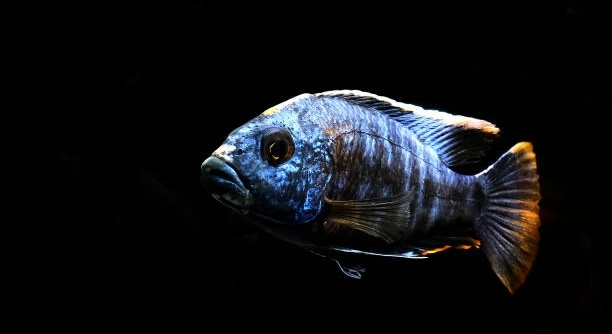
African cichlids are popular freshwater fish known for their vibrant colors and active behavior. Many aquarium enthusiasts enjoy keeping them and often wonder about their interaction with humans. These fish can sometimes show signs of familiarity over time. African cichlids can become somewhat tame with consistent, gentle handling and regular feeding routines. Although they may … Read more

7 Tips to Keep African Cichlid Fry Alive

Are your African cichlid fry not surviving despite your best efforts to care for them in their early stages of life? Keeping African cichlid fry alive requires stable water conditions, proper filtration, and a diet rich in protein. Frequent water changes, separation from adult fish, and consistent temperature levels are key to improving fry survival … Read more

Can African Cichlids Eat Algae Wafers?

African cichlids are popular freshwater fish known for their bright colors and active behavior. Many fishkeepers want to know if these fish can eat algae wafers as part of their diet. Understanding their feeding habits helps ensure their health and well-being. African cichlids can eat algae wafers, but these should only supplement their diet. Their … Read more

How to Spot Early Signs of Cichlid Disease

Cichlids are popular aquarium fish known for their bright colors and active behavior. Keeping them healthy is important to enjoy their full beauty and lively presence in your tank. Recognizing early signs of disease can prevent serious health issues. Early signs of cichlid disease often include changes in behavior, loss of appetite, visible spots or … Read more

7 Best Caves for African Cichlid Hiding

African cichlids are colorful and lively fish that enjoy having places to hide in their tanks. Providing caves helps reduce stress and creates a natural environment for them to feel safe. Choosing the right caves can improve their overall well-being. The best caves for African cichlids offer secure hiding spots with smooth surfaces and appropriate … Read more

Do Cichlids Like to Watch Their Owners?

Many people enjoy keeping cichlids as pets because of their vibrant colors and interesting behaviors. Watching these fish swim around the tank can be relaxing. Some owners notice their cichlids seem to pay attention to them during feeding or cleaning time. Cichlids do show interest in their owners by watching them, which is a sign … Read more

What to Do If Your African Cichlid Is Bullied

African cichlids are popular aquarium fish known for their vibrant colors and active behavior. Sometimes, they can experience bullying from tank mates, which may affect their well-being. Recognizing signs of bullying is important for maintaining a healthy environment. When an African cichlid is bullied, the best approach is to separate the aggressive fish and provide … Read more

7 Ways to Make a Small Tank Work for Cichlids

Many fish enthusiasts enjoy keeping cichlids but face challenges with small tanks. Managing space, water quality, and fish behavior can be tricky in a limited environment. Success requires thoughtful planning and care to meet their needs. Making a small tank suitable for cichlids involves careful attention to tank size, filtration, water parameters, and stocking density. … Read more

7 Reasons African Cichlids Suddenly Turn Pale

Have you ever noticed your vibrant African cichlids suddenly looking pale and wondered what could be causing the change in color? The most common reason African cichlids suddenly turn pale is stress, often triggered by environmental changes, poor water quality, or aggressive tank mates. Other causes include illness, nutritional deficiencies, and breeding behavior, all of … Read more