Will Your Cherry Barb Breed? (What to Look For)
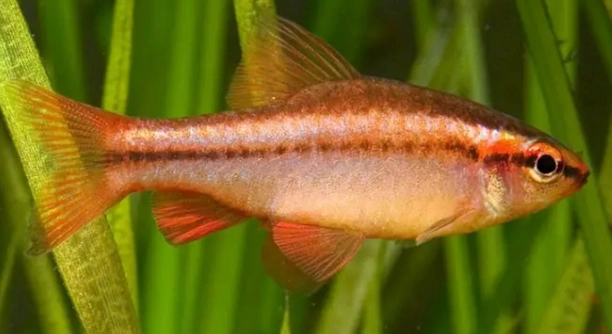
Cherry Barbs are colorful and lively fish, known for their vibrant appearance. If you’re a fish owner, you might wonder about breeding these little beauties. Understanding the signs and requirements can make the process smoother for you and your fish. Cherry Barbs breed when conditions are optimal, including proper water temperature, diet, and tank setup. … Read more
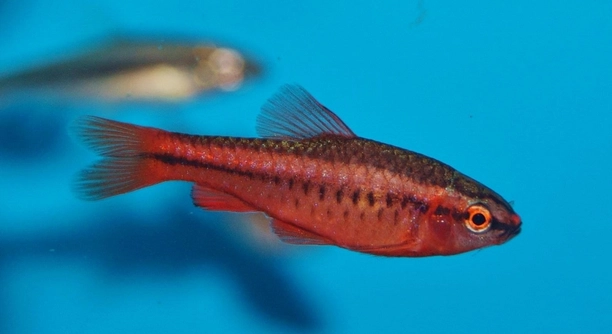
7 Reasons Cherry Barbs May Refuse to School

Cherry barbs are a popular fish for many aquariums, but you may notice they sometimes refuse to school. If you’re experiencing this, it can be frustrating and confusing. Understanding why they act this way can help improve their behavior. Cherry barbs may refuse to school due to factors like stress, improper tank conditions, or even … Read more

Can Cherry Barbs Recognize Their Reflection?

Cherry Barbs are small, vibrant fish often seen in home aquariums. These fish display unique behaviors that have piqued the curiosity of many aquarium enthusiasts. Understanding how they interact with their surroundings helps reveal the complexity of their instincts. Recent studies suggest that Cherry Barbs can indeed recognize their reflection in a mirror. This ability … Read more

Can Cherry Barbs Change Color Over Time?

Cherry Barbs are known for their vibrant colors, but changes in their appearance can occur over time. This transformation can be influenced by various factors, including their environment, diet, and overall health. The coloration of Cherry Barbs can change over time due to several factors such as age, stress, breeding, and environmental conditions. These fish … Read more

7 Ways to Lower Ammonia in a Cherry Barb Tank

Ammonia buildup in a Cherry Barb tank can harm your fish and disrupt the tank’s balance. Managing ammonia levels is crucial for their health and your tank’s stability. There are simple steps to help keep your tank safe. To lower ammonia levels, regular water changes, proper filtration, and maintaining a balanced tank are key. Adding … Read more

Can Cherry Barbs Learn From Each Other?

Cherry Barbs are a popular species in freshwater aquariums. Their social behavior and interactions with one another have sparked interest. Understanding how these fish learn from each other can provide valuable insights into their behavior and care. Cherry Barbs, like many other fish, have the capacity to learn from their interactions with others in their … Read more

7 Daily Checks to Keep Your Cherry Barb Healthy

Cherry barbs are a popular aquarium fish, known for their striking colors and lively nature. Maintaining their health requires attention to various factors that ensure they thrive in your tank. Regular checks are essential to keep them healthy. To keep your cherry barb healthy, perform daily checks that focus on water quality, tank conditions, and … Read more

Why Do Cherry Barbs Swim Faster at Night?

Cherry barbs are fascinating fish, known for their quick movements, especially during the night. Observing their behavior can be intriguing, particularly when they seem to swim faster as the day transitions into night. Understanding this phenomenon is essential. The increased speed of cherry barbs at night is primarily due to their natural circadian rhythms. These … Read more

7 Things That Could Disrupt Cherry Barb Sleep

Are your Cherry Barbs acting restless even when the tank lights are off and the room is quiet at night? Cherry Barb sleep can be disrupted by several factors including light exposure, poor tank conditions, stress from tank mates, temperature fluctuations, and inconsistent feeding routines. Recognizing and managing these triggers is essential for maintaining healthy … Read more

Do Cherry Barbs Like Fast Flowing Water? (Answered)

Cherry barbs are a popular fish species in many home aquariums. Known for their bright colors and peaceful nature, they are often a favorite choice for beginners and experienced aquarists alike. However, their care requirements can raise questions. Cherry barbs prefer moderate water flow rather than fast flowing water. While they can tolerate some current, … Read more