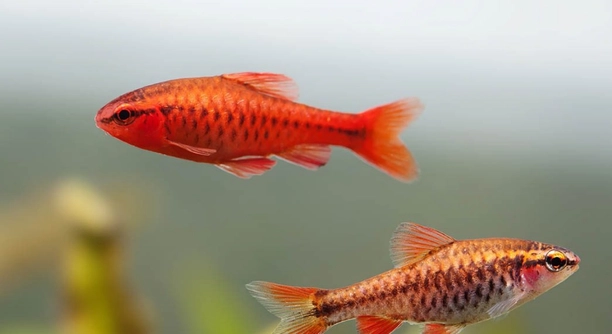
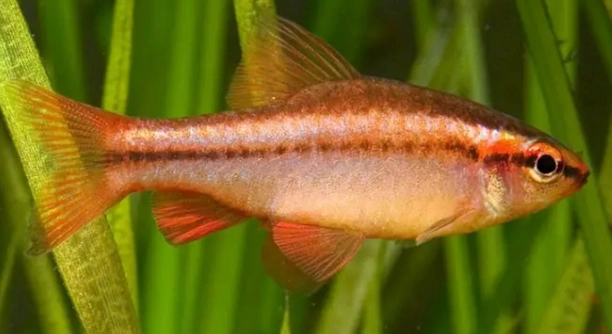
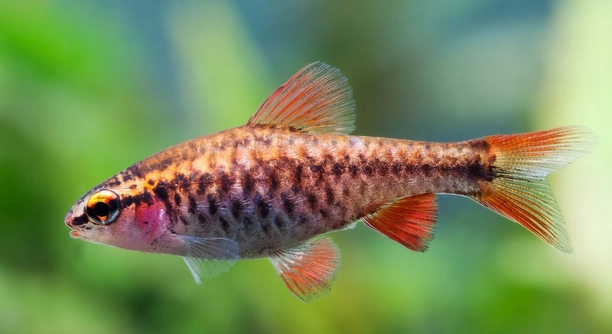
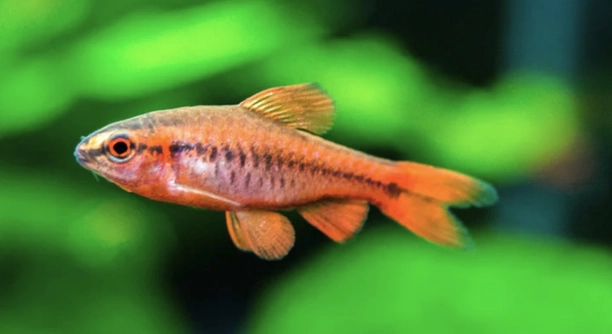
7 Warning Signs of Ammonia Spikes for Cherry Barbs

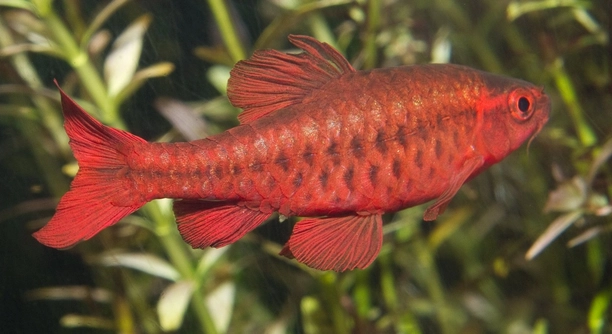
Cherry Barbs are a popular species among aquarium enthusiasts, known for their vibrant colors and peaceful nature. However, ammonia spikes in their tank can quickly lead to health issues, making it essential to stay alert. Ammonia spikes can lead to various symptoms in Cherry Barbs, including lethargy, difficulty breathing, and discoloration. Monitoring water quality regularly … Read more
7 Times When Cherry Barbs Might Act Out of Sync

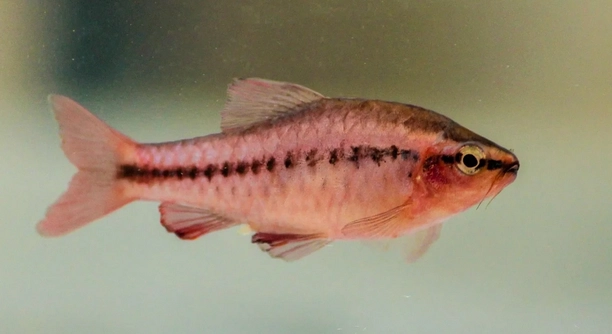
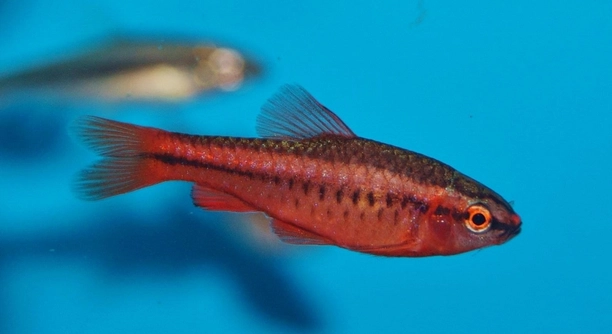
Cherry barbs are generally peaceful fish, but sometimes they might act out of sync with their typical behavior. This can be confusing for fish owners. Understanding the reasons behind these actions is essential for keeping them healthy and happy. Cherry barbs may act out of sync due to several factors such as environmental changes, tank … Read more

7 Ways to Improve Cherry Barb Immune Health

Cherry Barbs are small and colorful freshwater fish known for their active behavior and unique appearance. However, like any pet, they require proper care to stay healthy, including maintaining a strong immune system. To improve the immune health of your Cherry Barbs, consider adjusting their water quality, diet, and stress levels. Regular water changes, a … Read more

7 Subtle Mating Rituals in Cherry Barbs

Cherry barbs are fascinating little fish, often admired for their vibrant colors and unique behaviors. Their mating rituals are subtle yet intriguing, revealing a complex world beneath the surface of your aquarium. Cherry barbs exhibit a series of courtship behaviors during mating, which include color changes, chasing, and fin displays. The males typically engage in … Read more

Are Cherry Barbs More Active with Friends?

Cherry barbs are small, colorful fish popular among aquarium enthusiasts. They are known for their active and playful behavior, often found swimming energetically around their tank. But do they behave differently when they have friends to share the space with? Cherry barbs are generally more active when kept in groups. In the presence of other … Read more

Why Are Cherry Barbs Restless After Feeding?

Cherry barbs are lively little fish often found in home aquariums. They are known for their vibrant colors and active nature. However, after feeding, you may notice that they become restless. This behavior can be puzzling for many owners. Cherry barbs become restless after feeding due to a combination of factors, including their natural feeding … Read more

7 Reasons Cherry Barb Behavior Might Shift Overnight

Do your Cherry Barbs suddenly behave differently overnight, leaving you confused about the changes? Understanding the reasons behind this shift in behavior can help ensure a peaceful aquarium environment for your fish. Several factors can cause sudden changes in Cherry Barb behavior, including environmental shifts, water quality fluctuations, or even stress from tank mates. Changes … Read more

What Do Cherry Barb Fry Eat? (Complete Feeding Guide)

Cherry Barb fry are small and delicate, requiring proper care and feeding to grow healthy and strong. Understanding their dietary needs is essential to their development and well-being. Let’s explore what they should eat. Cherry Barb fry primarily feed on micro-particles such as infusoria, finely crushed flake food, and baby brine shrimp. As they grow, … Read more

Can Cherry Barbs Survive a Filter Malfunction?

Cherry barbs are small, peaceful freshwater fish often kept in aquariums. If you’re a fish owner, you might worry about how they handle sudden changes in their environment, especially when something goes wrong with the filter. Cherry barbs can survive a filter malfunction for a short period, but prolonged exposure to dirty water can harm … Read more

Why Are My Cherry Barbs Obsessed with the Heater?

Cherry barbs are known for their lively nature, but if you’ve noticed them constantly near the heater, you may be wondering why this behavior is occurring. It’s a common observation among aquarium owners. The primary reason your cherry barbs are drawn to the heater is that they prefer warmer water temperatures. This behavior is often … Read more