Do Cherry Barbs Get Along With Cory Cats?
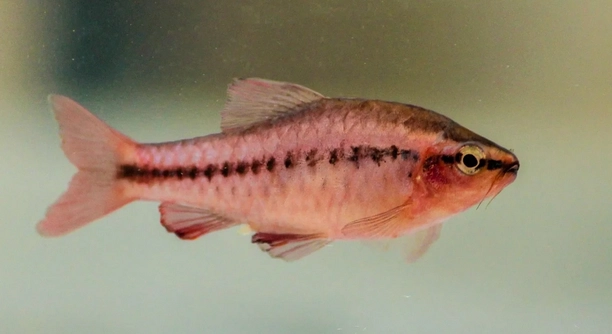
Cherry Barbs and Cory Cats are both popular aquarium fish, known for their peaceful nature and colorful appearance. However, knowing how they interact can help ensure a harmonious tank environment for both species. Cherry Barbs generally get along with Cory Cats due to their peaceful dispositions. Both species are social and non-aggressive, allowing them to … Read more
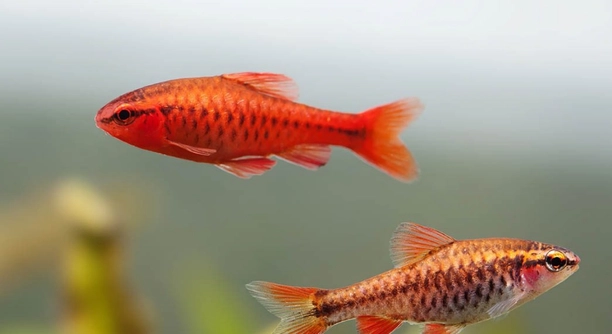
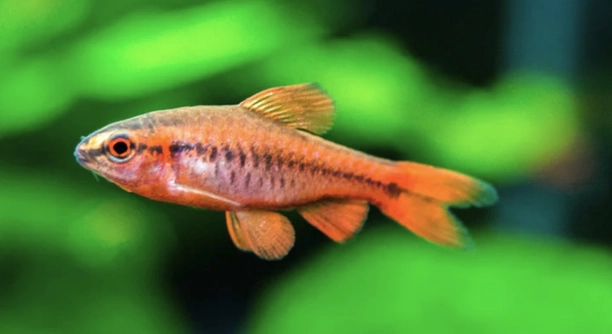
7 Common Triggers for Cherry Barb Color Loss

Cherry barbs are a popular species among aquarium enthusiasts due to their vibrant colors. However, there are times when their usual bright hues start to fade, leaving many wondering why this happens. Color loss in cherry barbs is often caused by factors such as poor water quality, improper lighting, stress, or an unbalanced diet. These … Read more

How to Tell If Your Cherry Barb Wants to Play

Have you ever spent time watching your cherry barb swim around and wondered if it’s just being active—or actually trying to play? Cherry barbs display playful behavior through quick darting movements, chasing tankmates gently, and interacting with objects or plants in the tank. These actions typically indicate stimulation, comfort, and a healthy environment that supports … Read more

Are Cherry Barbs Affected by Room Temperature?

Cherry barbs are a popular choice for many aquarium enthusiasts due to their vibrant colors and easy care. However, understanding how room temperature affects their health and behavior is key to keeping them happy and thriving in your tank. Cherry barbs are indeed affected by room temperature. These fish thrive in a temperature range of … Read more

7 Times You Should Separate a Cherry Barb

Cherry barbs are small, colorful fish that make great additions to aquariums. However, there are times when separating them becomes necessary for their well-being and the health of your tank. Here are some situations to consider. Cherry barbs should be separated when they show signs of aggression, breeding, illness, or stress. Overcrowding, territorial disputes, or … Read more

What Happens When Cherry Barbs Get Old?

Cherry barbs are small, vibrant fish popular in aquariums. As they age, their physical and behavioral changes become noticeable. Understanding these changes is important for their care, ensuring a healthy life in the aquarium environment. As cherry barbs age, they experience slower growth, changes in color, and a decline in activity levels. These fish may … Read more

7 Reasons Cherry Barbs Stay Still for Hours

Do your cherry barbs stay still for hours, making you wonder if something might be wrong in their tank environment? Cherry barbs often remain still for extended periods due to stress, poor water quality, low oxygen levels, illness, or sleep-like resting behavior. Environmental changes, incompatible tank mates, or lighting conditions can also contribute to their … Read more

What Happens to Cherry Barbs During Spawning Season?

Cherry Barbs are a popular choice for freshwater aquariums due to their vibrant colors and peaceful nature. However, during spawning season, their behavior changes. Understanding this process is important for any aquarium enthusiast looking to care for these fish properly. During spawning, Cherry Barbs undergo several changes in behavior and physical appearance. Males become more … Read more

7 Signs Your Cherry Barb Is Lonely

Cherry barbs are active and social fish, but when they show signs of loneliness, it can be concerning. Identifying these behaviors early can help improve their well-being and create a better environment for them. Cherry barbs exhibit loneliness through various behaviors, including hiding frequently, displaying a lack of interest in food, or showing signs of … Read more

Are Cherry Barbs More Active in Soft Water?

Cherry barbs are popular aquarium fish known for their active and colorful nature. Many fish enthusiasts wonder about their activity levels in different water conditions, especially when it comes to soft water. Understanding their behavior can improve their care and health. Cherry barbs are generally more active in soft water due to the lower mineral … Read more