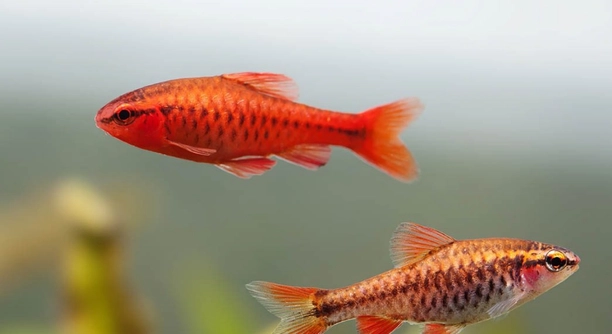
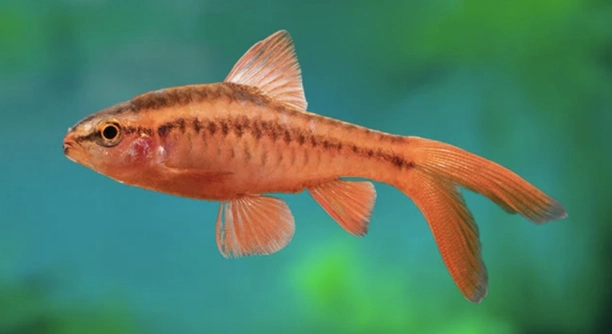
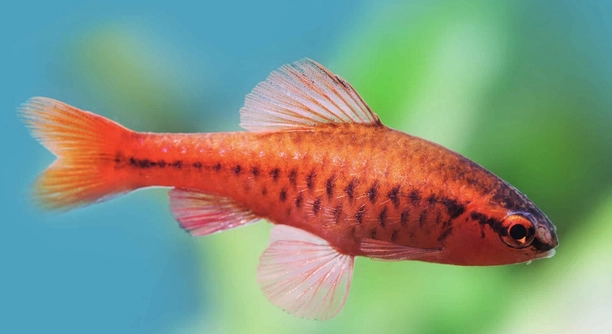
Why Do Cherry Barbs Stop Mid-Swim and Hover?
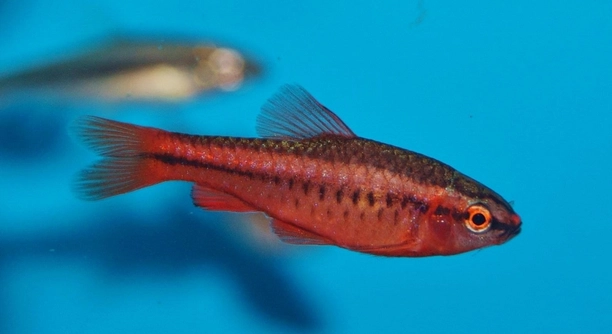
Cherry barbs are a popular aquarium fish known for their playful swimming patterns. If you’ve ever noticed one stopping mid-swim and hovering, it can be a little puzzling. Let’s explore the reasons behind this behavior. Cherry barbs may stop mid-swim and hover due to various factors, such as resting, stress, or environmental changes. These fish … Read more
7 Ways to Minimize Cherry Barb Shock from Transport

Transporting cherry barbs can cause stress and shock, leading to potential health issues for your fish. Ensuring their safety and comfort during transit is crucial for a successful move. There are several ways to minimize these effects. To minimize cherry barb shock during transport, the best method involves acclimating the fish slowly to changes in … Read more

Can You Medicate a Cherry Barb Tank Safely?

Cherry Barbs are popular in aquariums, known for their vibrant color and lively nature. If you’re considering medicating a tank with these fish, you may have concerns about their safety and health during treatment. Medicating a Cherry Barb tank requires careful consideration of both the medication and the tank environment. Some treatments can harm sensitive … Read more

7 Reasons Cherry Barbs Hover Near the Surface

Cherry Barbs are fascinating fish, often seen swimming near the surface. Observing their behavior can raise questions about their unique patterns and preferences. Understanding why they hover at the top of the tank can provide helpful insights for owners. Cherry Barbs hover near the surface due to various factors, such as the need for oxygen, … Read more

Why Is My Cherry Barb Obsessed With One Spot?

Cherry barbs are small, colorful fish that can exhibit unique behaviors in their tanks. If you’ve noticed your cherry barb spending a lot of time in one spot, you may be wondering what’s behind this behavior. The primary reason your cherry barb stays in one spot could be stress, health issues, or environmental factors. Factors … Read more

7 Signs Your Cherry Barb Is Stressed (+How to Fix)

Are your cherry barbs acting different lately, hiding more or swimming less, and you’re not quite sure what’s going on? Cherry barbs can show signs of stress through color loss, erratic swimming, hiding, and reduced appetite. These behaviors are often caused by poor water conditions, tank overcrowding, incompatible tank mates, or sudden environmental changes. Learning … Read more

7 Tips to Improve Cherry Barb Fry Survival Rates

Cherry barb fry are small, delicate fish that can be tricky to raise. Ensuring their survival requires understanding the right conditions and care. With the proper steps, you can increase their chances of thriving in your aquarium. The survival rates of cherry barb fry can be improved by maintaining optimal water conditions, providing adequate food, … Read more

Do Cherry Barbs Have a Preferred Swimming Level?

Cherry Barbs are a popular freshwater fish admired for their vibrant color and peaceful nature. When keeping them in an aquarium, understanding their preferred swimming level is crucial for ensuring they thrive in their environment. Cherry Barbs typically swim in the middle to upper levels of the aquarium. They are active swimmers and prefer areas … Read more

Can Cherry Barbs Sense Owner Emotions?

Do you ever find yourself watching your cherry barbs swim and wonder if they’re picking up on your mood or energy? Cherry barbs do not sense human emotions in the way mammals might, but they can respond to changes in their environment, including owner behavior. Subtle shifts in movement, tone, and handling may influence their … Read more

7 Things That Could Be Making Cherry Barbs Shy

Cherry barbs are known for their bright colors and active nature. However, sometimes they can become unusually shy. Understanding the reasons behind this behavior can help you ensure they thrive in their environment. Several factors can cause cherry barbs to become shy, including stress, poor water quality, or inadequate tank conditions. Changes in their habitat, … Read more