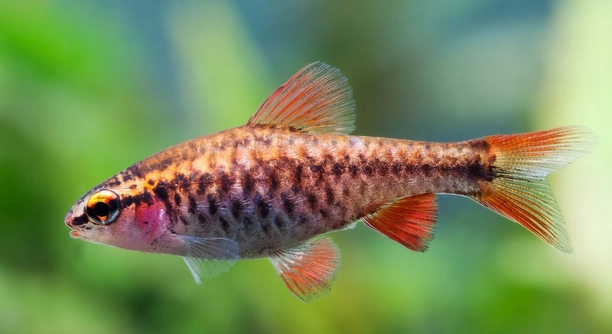
Do Cherry Barbs Need a Quiet Environment?
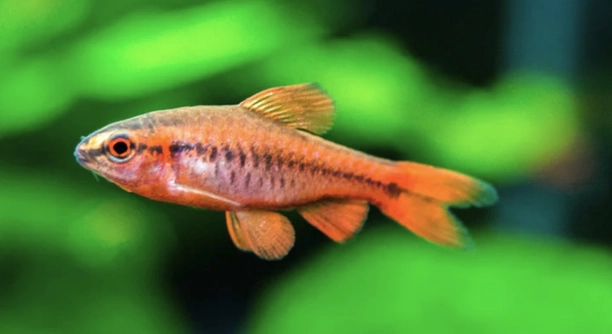
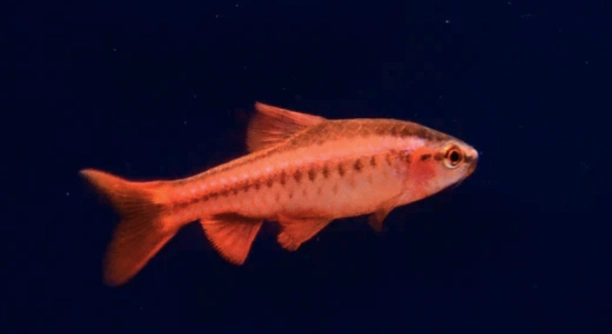
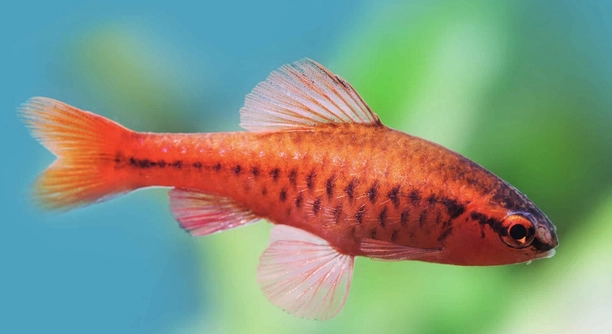
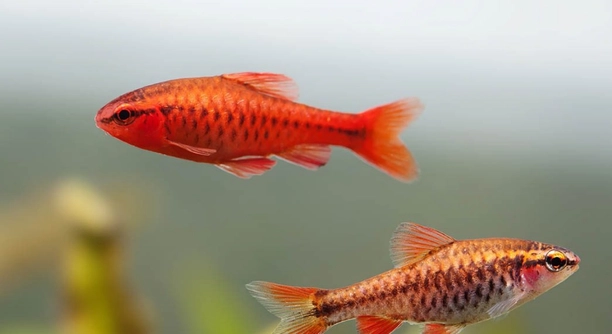
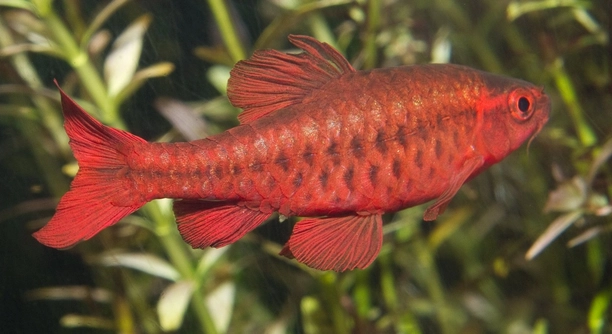
Cherry Barbs are small, peaceful fish often chosen for their vibrant colors and gentle nature. However, understanding their environment needs is key to maintaining their health and well-being. A suitable setup can make a big difference. Cherry Barbs prefer calm environments with minimal noise and disturbance. Excessive noise or stress from sudden movements can affect … Read more
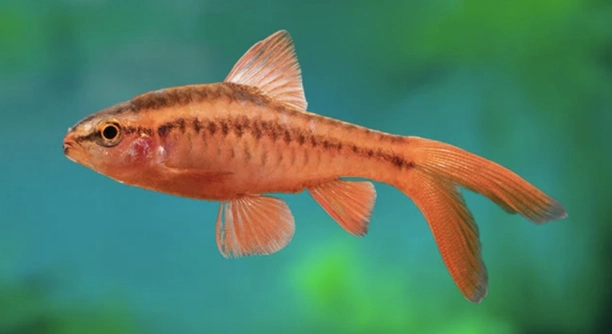
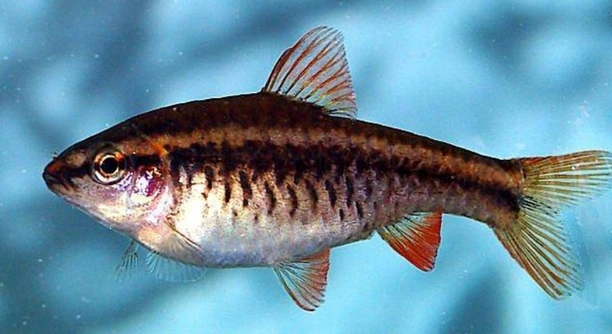
7 Tricks to Calm a Skittish Cherry Barb

Cherry barbs can be a bit skittish, especially when first introduced to their environment. Understanding how to calm them is key to creating a peaceful and healthy tank for these small, active fish. To calm a skittish cherry barb, provide hiding spaces, maintain stable water conditions, and avoid sudden movements. Adding soft lighting and minimizing … Read more

Can Cherry Barbs Be Housed With Angelfish?

Cherry barbs and angelfish are both popular choices for freshwater aquariums. If you’re considering keeping these species together, it’s important to understand their compatibility. While they have some overlapping traits, there are specific factors to keep in mind. Cherry barbs and angelfish can generally be housed together, as both are peaceful species. However, care should … Read more

7 Signs a Cherry Barb Is Ready to Mate

Cherry barbs are small, vibrant fish often kept in aquariums. Understanding when they are ready to mate is crucial for breeding. Observing specific signs will help ensure that your fish are prepared for this natural process. The signs that a cherry barb is ready to mate include changes in behavior, body coloration, and physical condition. … Read more

Why Is My Cherry Barb Always Following the Bubbles?

Cherry Barbs are popular fish known for their peaceful nature, but if you’ve noticed your fish constantly following the bubbles, you may be wondering about the cause. This behavior can sometimes be puzzling. The most likely reason for your Cherry Barb following bubbles is its natural curiosity and interest in surface activity. Fish often investigate … Read more

Do Cherry Barbs Prefer Busy or Quiet Tanks?

Cherry barbs are a popular choice for freshwater aquariums. These small, colorful fish have specific needs when it comes to their living environment. Understanding whether they prefer a busy or quiet tank is important for their well-being. Cherry barbs generally thrive in moderately active tanks. While they can adapt to both calm and busy environments, … Read more

7 Tiny Details That Make a Big Difference in Barb Health

Taking care of your barb’s health goes beyond basic feeding. Small details often make a significant impact on their overall well-being. Understanding these factors can lead to healthier, happier fish. The key to keeping your barbs healthy lies in attention to their environment, water quality, and diet. Regular monitoring of tank conditions and proper nutrition … Read more

How to Tell If Your Cherry Barb Is Getting Old

Cherry barbs are popular aquarium fish, known for their vibrant colors and active behavior. Over time, though, you may notice changes in their appearance or behavior that signal they’re getting older. Recognizing these signs can help you care for them better. As cherry barbs age, their colors may become less vibrant, and they may move … Read more

7 Causes of Algae Overgrowth in Cherry Barb Tanks

Algae overgrowth in your cherry barb tank can quickly become a frustrating issue. If you’re seeing more algae than you’d like, you’re not alone. This common problem affects many aquarium enthusiasts, but it’s not without solutions. Several factors contribute to algae overgrowth in cherry barb tanks, including excess light, overfeeding, and poor water quality. Nutrient … Read more

How to Make Water Changes Less Stressful for Cherry Barbs

Making water changes for your cherry barbs can sometimes feel overwhelming. Proper maintenance is essential for their health, but it doesn’t have to be stressful. By learning some simple tips, you can keep both your fish and yourself happy. To make water changes less stressful, start by performing small, frequent water changes instead of large, … Read more