7 Alternatives to Live Insects for Box Turtle Diets
Box turtles have unique dietary needs that often include live insects. However, many owners seek alternatives to live insects for various reasons. Exploring different food options can provide a healthy and balanced diet for these fascinating reptiles. Several safe, nutritious, and practical alternatives to live insects for box turtles include fruits, vegetables, and commercial turtle … Read more
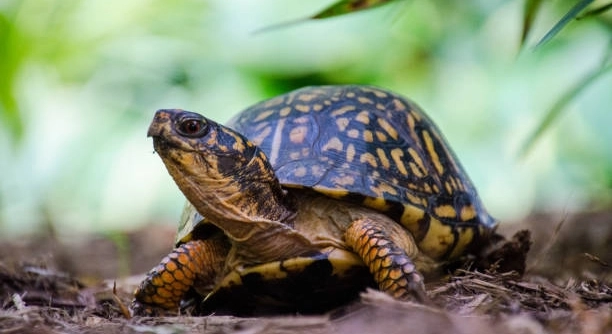
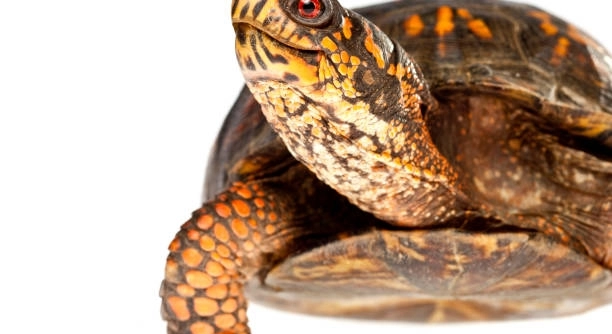
7 Steps to Stop Box Turtle Shell Discoloration

If your box turtle’s shell starts to lose its vibrant color, it could indicate underlying health concerns or environmental factors. Taking action early can help prevent long-term damage and restore your turtle’s shell to its natural beauty. Box turtle shell discoloration is often caused by improper habitat conditions, poor diet, or health issues such as … Read more

When Do Box Turtles Reach Maturity? (+Growth Stages)

Box turtles undergo several growth stages before they reach maturity. Understanding these stages is key to ensuring proper care and environment for their development. These turtles grow slowly but steadily throughout their early years, reaching adulthood at their own pace. Box turtles typically reach maturity between 5 to 10 years of age, though the exact … Read more

7 Decorations That Are Safe for Box Turtle Habitats

Creating a safe and enriching environment for your box turtle is important for its health and happiness. The right decorations can help create a comfortable habitat that meets its natural needs. The best decorations for box turtle habitats are those that mimic their natural environment. Items like smooth rocks, safe plants, and secure hides provide … Read more

7 Reasons Your Box Turtle May Avoid Its Hiding Spot

Box turtles may choose not to use their hiding spots for various reasons. Understanding these behaviors can help ensure that your pet is comfortable and healthy. It’s important to consider both environmental and behavioral factors. The main reasons a box turtle avoids its hiding spot are related to stress, improper habitat conditions, or changes in … Read more

7 Causes of Shell Discoloration in Box Turtles

Box turtles are fascinating creatures, but sometimes their shells can change color. Understanding the causes behind shell discoloration can help maintain their health and well-being. Several factors can affect their appearance and overall condition. Shell discoloration in box turtles can occur due to various reasons, such as poor diet, insufficient UVB exposure, shell infections, or … Read more

How Box Turtles Use Their Sense of Smell (+7 Fun Facts)

Box turtles rely on their sense of smell for a variety of important functions, from finding food to avoiding danger. Their keen olfactory abilities are a crucial part of their survival in the wild. Box turtles use their sense of smell to navigate their environment, locate food, and communicate with each other. Their olfactory receptors … Read more

How to Deep Clean a Box Turtle Habitat in 7 Simple Steps

Cleaning a box turtle habitat is essential for their well-being. Regular deep cleaning helps maintain a healthy environment and prevents the buildup of harmful bacteria. Keeping your turtle’s home clean promotes its overall health and happiness. To deep clean a box turtle habitat, start by removing the turtle, then clean all surfaces with a turtle-safe … Read more

How to Improve Hatch Rates for Box Turtle Eggs

Improving the hatch rate for box turtle eggs can be challenging, but with the right care, the chances of successful hatching increase. Understanding the necessary steps will ensure better outcomes for both the eggs and their future hatchlings. The hatch rate for box turtle eggs largely depends on proper incubation conditions such as temperature, humidity, … Read more

Understanding the Social Needs of Box Turtles (+Interaction Tips)

Box turtles are unique, fascinating creatures that captivate many with their quiet, gentle nature. Understanding their social needs can help provide a better environment for them in your care, ensuring their overall well-being and happiness. Box turtles are solitary animals by nature, but they do have certain social needs. They benefit from occasional interaction with … Read more