Why Your Box Turtle Scratches the Tank Walls (+7 Explanations)
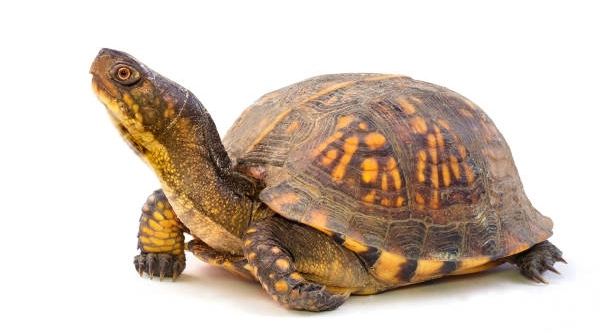
Your box turtle’s behavior of scratching the tank walls may seem puzzling. It could be due to several environmental or physical factors that influence their actions. Understanding the root cause can help address this issue effectively. Box turtles may scratch tank walls due to factors like stress, improper habitat conditions, or natural instincts. They may … Read more
Habitat and Environment

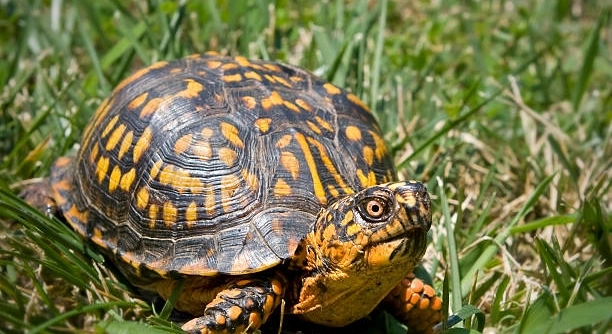
The environment where a species lives plays a crucial role in its survival. Various factors such as climate, food sources, and shelter all impact how animals thrive. Understanding habitat requirements helps in preserving the species and its environment. A habitat is the natural environment where an organism lives. It includes all the physical conditions and … Read more

7 Simple Ways to Keep Box Turtles Safe from Predators

Are you worried about keeping your box turtles safe from lurking predators? Ensuring their safety is essential to their well-being and survival. With proper strategies, you can create a secure environment for these fascinating creatures. The best way to protect box turtles from predators is by creating a secure enclosure, maintaining proper camouflage, and monitoring … Read more

7 Tricks to Spot Rare Genetic Traits in Box Turtles

Have you ever noticed unique patterns or shell shapes in box turtles and wondered if they might hold genetic significance? Spotting rare genetic traits in box turtles requires careful observation of shell patterns, coloration, and physical features. These traits often arise from natural mutations or selective breeding, making them fascinating markers of biodiversity. Learning these … Read more

7 Ways to Build a Strong Bond With Your Box Turtle

Building a strong bond with your box turtle can take time and patience. Understanding their needs and preferences is essential for developing a lasting connection. These slow-moving creatures can be quite friendly when treated with care. To strengthen your bond with a box turtle, consistency, patience, and proper care are key. Establishing a regular routine … Read more

7 Reasons Your Box Turtle Is Lethargic (+Fixes)

Is your box turtle acting sluggish and not moving as much as usual? Lethargy can be concerning, but there are often simple reasons behind this behavior. Several factors could be contributing to your box turtle’s lethargy. These include improper temperature, lack of proper diet, inadequate humidity, or even stress. Identifying the root cause can help … Read more

7 Supplements Your Box Turtle Might Be Missing

Taking care of your box turtle means paying attention to its diet and health. These creatures rely on a balance of nutrients to thrive. However, there may be some key supplements missing from their meals. Supplements are essential for your box turtle’s overall well-being. Key nutrients like calcium, vitamin D3, and omega-3 fatty acids can … Read more

7 Cleaning Mistakes That Could Harm Your Box Turtle

Keeping a box turtle as a pet can be a rewarding experience, but it requires some careful attention. Their care involves more than just feeding and providing shelter. Cleaning their environment is equally important to their well-being and health. Improper cleaning can harm your box turtle in various ways. Overuse of harsh chemicals, neglecting to … Read more

7 Methods to Track a Box Turtle’s Growth and Health Progress

Tracking the growth and health of your box turtle is essential to ensuring they live a long, happy life. This process is not complicated, and there are simple ways to monitor their progress regularly. There are several methods to track a box turtle’s growth and health, including monitoring their weight, measuring their shell, observing behavior, … Read more

How to Feed Box Turtles Safely During Brumation

Have you ever wondered how to care for your box turtle during the cold months of brumation? Providing proper nutrition during this time is essential to ensure their health and safety as they go through this natural process. Box turtles should be offered light, easily digestible foods during brumation, such as leafy greens and small … Read more