7 Things That Can Cause Angelfish to Lose Their Appetite

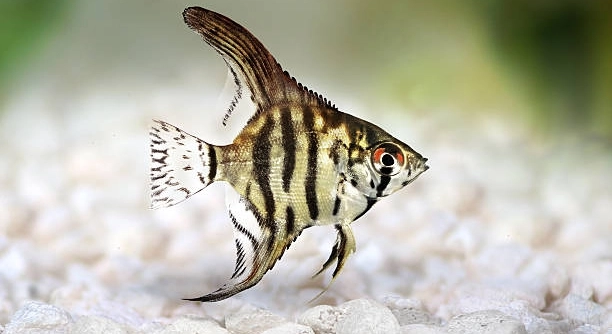
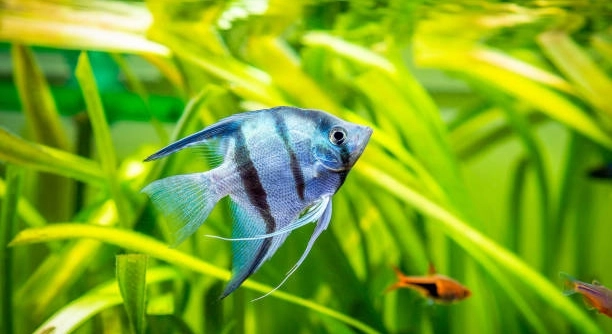
Angelfish are known for their vibrant colors and active nature. However, there are times when they may lose their appetite. Identifying the reasons behind this can help ensure their health and happiness. Several factors can cause angelfish to lose their appetite, including poor water quality, stress, and illness. Additionally, overfeeding, water temperature fluctuations, and inadequate … Read more
7 Signs Your Angelfish Is Stressed (+How to Fix)

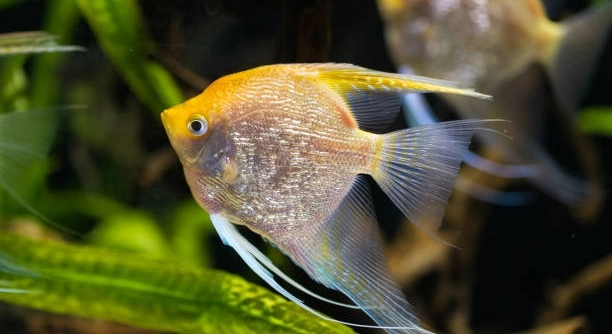
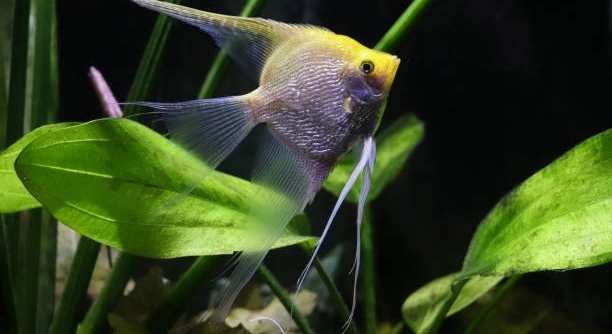
Angelfish are beautiful creatures, but like all fish, they can experience stress. Stress can affect their health and behavior, so it’s important to recognize the signs early. Knowing what to look for can help improve their well-being. Stress in angelfish is often caused by environmental factors such as poor water quality, overcrowding, or aggressive tank … Read more

How Do Angelfish Show Affection? (Beginner’s Guide)

Angelfish are popular aquarium pets known for their graceful movements and vibrant colors. Many people enjoy their beauty but might wonder how these fish express affection toward their owners or other tank mates. Angelfish show affection by engaging in social behaviors such as following their owners, swimming close to the glass, and interacting with other … Read more

7 Reasons Your Angelfish Is Not Growing as Expected

Are your angelfish not growing as expected? Many aquarium enthusiasts find themselves in this situation and may feel unsure about the next steps. Understanding the possible reasons behind slow growth can help restore balance in your tank. The primary reasons for slow angelfish growth include poor water quality, inadequate diet, incorrect tank conditions, stress, and … Read more

Why Is My Angelfish Floating Upside Down? (7 Possible Causes)

Angelfish are known for their beauty and grace, but if yours starts floating upside down, it may be concerning. This behavior can indicate a variety of issues affecting your fish’s health and well-being. Several factors could cause your angelfish to float upside down. It might be due to swim bladder disease, stress, water quality problems, … Read more

7 Ways to Spot a Happy and Healthy Angelfish

Angelfish are beautiful, vibrant creatures, making them popular choices for aquariums. Ensuring they are happy and healthy is essential for their well-being. Knowing how to spot their signs of health can help keep them thriving in your tank. A healthy angelfish exhibits clear, bright eyes, vibrant colors, and active swimming behavior. It should have a … Read more

Why Is My Angelfish Losing Its Stripes? (7 Common Causes)

Angelfish are popular aquarium fish known for their striking appearance. However, sometimes their beautiful stripes may start to fade or disappear. This can be worrying for any angelfish owner, but there are several reasons why this happens. Angelfish may lose their stripes due to stress, poor water quality, illness, or improper tank conditions. Inadequate lighting … Read more

Why Is My Angelfish Avoiding Its Tank Mates? (7 Explanations)

Angelfish are beautiful additions to any aquarium. However, if you notice your angelfish avoiding its tank mates, it could indicate something isn’t quite right. Understanding the potential causes can help maintain a harmonious environment in your tank. The primary reason your angelfish may be avoiding its tank mates is due to stress. Factors such as … Read more

7 Ways to Tell If Your Angelfish’s Tank Setup Is Wrong

Is your angelfish acting strange or not thriving the way you expected after setting up their tank? You might be missing something important in their environment, even if it looks fine on the surface. The most common signs of a poor angelfish tank setup include incorrect water parameters, improper tank size, lack of hiding spots, … Read more

Why Is My Angelfish Ignoring Its Tank Mates? (7 Possible Reasons)

Is your angelfish acting distant, swimming calmly while ignoring the other fish in your tank? You might be wondering why it’s keeping to itself. Angelfish often ignore their tank mates due to stress, territorial behavior, illness, incompatible tank mates, changes in water conditions, lack of stimulation, or a naturally shy temperament. Each of these factors … Read more