
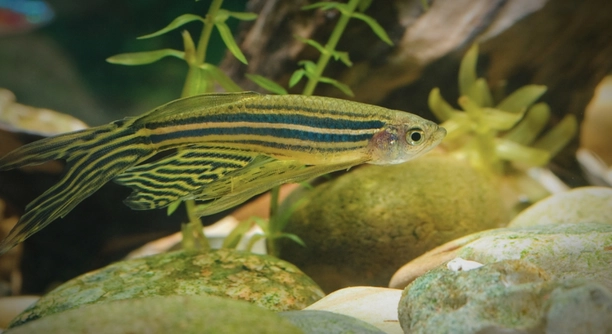
Zebra Danios are popular aquarium fish, known for their vibrant stripes and active behavior. They’re also quite intriguing when it comes to understanding their behaviors and biological instincts, including their ability to sense time or feeding schedules.
Zebra Danios possess the ability to learn and anticipate feeding times. Studies show that fish can be conditioned to associate specific times or events with feeding, demonstrating their ability to adapt to routines. This behavior suggests they may have a sense of time.
Understanding how Zebra Danios adapt to feeding routines can give you insight into their behaviors and how to improve their care.
How Zebra Danios Learn Feeding Schedules
Zebra Danios, like many other fish, can form associations between certain events and feeding times. This is thanks to a process called classical conditioning, where they start to expect food at specific times. They can recognize patterns in their environment, such as the sound of a filter or the sight of a human, and connect these with feeding. Over time, this anticipation becomes more predictable. So, when you feed them consistently at the same time each day, they begin to associate that moment with food, adjusting their behavior accordingly.
It’s interesting to note that fish are not as reliant on circadian rhythms as humans are, but they do have their own internal clocks. They become attuned to external cues, learning what to expect and when. This kind of behavioral learning highlights the surprising adaptability of these small fish.
Conditioning can improve their feeding habits and help maintain a regular schedule, which is key for keeping your Danios healthy. Regular feeding times also support their overall well-being, as it encourages more active behavior and reduces stress levels.
Why Time and Routine Matter
Fish, including Zebra Danios, thrive on consistency. Keeping their feeding times regular means better health and behavior overall.
Consistency in feeding times not only improves their anticipation but can also help monitor their health. Fish that are fed at the same time every day tend to show fewer signs of stress and better activity levels.
Can Zebra Danios Tell Time?
Zebra Danios are not equipped with the same internal clocks as humans, but they can adapt to external cues like light and sounds to predict feeding times. This makes it seem like they have a sense of time, even though their abilities differ from ours.
Fish, in general, are very responsive to environmental changes, including light intensity and temperature. These external cues, when consistent, help Zebra Danios create a routine. They may not understand time as we do, but they can anticipate when food will be provided based on these patterns. This learned behavior shows their ability to adjust to regular schedules and stay in sync with their caretakers.
Over time, Zebra Danios learn to recognize signals that precede feeding, such as movements around the aquarium or changes in the lighting. These routines help to maintain their overall health and encourage active behavior. As they begin to associate these triggers with food, their feeding behavior becomes more predictable, contributing to the health of the fish and ease of care.
Effects of Feeding Schedules on Behavior
Feeding at the same time each day is beneficial for Zebra Danios. It not only strengthens their routine but also helps regulate their feeding behavior, ensuring that they are healthy and active.
When Zebra Danios are conditioned to expect food at regular intervals, their activity levels increase around feeding times. They become more engaged with their environment, swimming actively in anticipation. This regular feeding pattern also prevents overfeeding or underfeeding, making it easier to manage their diet and overall health. By sticking to a schedule, you can reduce stress in your fish and keep them in peak condition.
Understanding Their Feeding Habits
Zebra Danios often eat in short bursts, consuming small amounts of food at a time. Their feeding habits are natural, as they tend to graze throughout the day in the wild. This can be mimicked in captivity by providing multiple smaller meals rather than one large serving.
Fish like Zebra Danios can be trained to follow specific feeding patterns. If fed at regular intervals, they will adjust their behavior, expecting food at certain times. This regularity helps with digestion and prevents them from overeating. It’s important to monitor their behavior closely to ensure they are getting enough food without overfeeding.
How Feeding Schedules Improve Health
Regular feeding schedules help maintain optimal health in Zebra Danios. The predictable routine reduces the risk of digestive issues and contributes to a balanced diet.
Establishing a feeding schedule that includes the right balance of nutrients helps Zebra Danios stay active and healthy. By avoiding erratic feeding times, you also prevent stress, which can affect their overall well-being. A well-fed Zebra Danio is more likely to exhibit normal swimming patterns and show less aggression towards other fish.
FAQ
Can Zebra Danios recognize their owners?
Zebra Danios are capable of recognizing their caretakers through routine and sight. While they may not form bonds the way mammals do, they can learn to associate certain behaviors and people with feeding times. Over time, they might respond more actively when you approach the tank, expecting food or attention.
How often should I feed Zebra Danios?
Zebra Danios should be fed two to three times a day in small amounts. This ensures they are receiving enough nutrition without overfeeding, which can lead to water quality problems. It’s important not to overfeed, as Zebra Danios are small fish that eat only what they need. Monitor the amount of food they consume to avoid waste.
Do Zebra Danios need a specific type of food?
Zebra Danios are omnivores, so they benefit from a balanced diet. Commercial fish flakes or pellets are typically sufficient, but supplementing with live or frozen foods like brine shrimp or daphnia can provide extra nutrients. Ensure the food is appropriate for small fish, as this helps them digest it easily.
How do I know if my Zebra Danios are eating enough?
You can tell if your Zebra Danios are eating enough by observing their behavior. Healthy fish will swim actively, interact with the environment, and respond to feeding cues. If they are swimming lethargically or if food is left uneaten in the tank after feeding, it could be a sign that you’re overfeeding or they are not getting the right food.
Can Zebra Danios go without food for a day?
Yes, Zebra Danios can go without food for a day or even longer, but it’s not ideal. In the wild, fish often experience periods without food, but in a tank environment, they rely on regular feeding. If you must skip a feeding, it won’t harm them, but regular meals are important for long-term health.
Are Zebra Danios sensitive to overfeeding?
Yes, overfeeding Zebra Danios can lead to health problems. Overfeeding can cause bloating, poor water quality, and even obesity. It’s best to feed them only as much as they can consume in a few minutes, and remove any uneaten food from the tank to avoid it decomposing and affecting the water.
What are signs that my Zebra Danios are stressed?
Stressed Zebra Danios may exhibit erratic swimming patterns, including darting around the tank or hiding more than usual. They may also stop eating or show a change in color, such as fading. Poor water quality, overcrowding, or sudden changes in temperature can contribute to stress in these fish.
Do Zebra Danios need live plants in their tank?
Zebra Danios don’t require live plants, but they do benefit from them. Plants provide hiding spots and natural filtration, helping to keep the water clean. They also create a more natural environment for the fish, which can reduce stress and allow for healthier behaviors. If you use live plants, be sure to choose ones that thrive in the same conditions as Zebra Danios.
Can Zebra Danios be kept with other fish?
Yes, Zebra Danios are peaceful and social fish that generally do well in community tanks. They can live with many other species of fish, as long as the other fish aren’t overly aggressive or large enough to pose a threat. Good tankmates include other small, peaceful fish like guppies or tetras.
What is the ideal tank temperature for Zebra Danios?
Zebra Danios prefer water temperatures between 65-75°F (18-24°C). They are fairly hardy and can tolerate slight fluctuations in temperature, but it’s important to keep the water within this range to ensure they stay healthy and active. Sudden temperature changes can stress them out.
How long do Zebra Danios live?
Zebra Danios have an average lifespan of 2-3 years, though some may live longer if they are properly cared for. Their lifespan depends on factors like water quality, diet, and general care. Keeping their tank clean and maintaining a proper feeding schedule can help extend their life.
Can Zebra Danios breed in a home aquarium?
Yes, Zebra Danios are easy to breed in a home aquarium. They are egg scatterers, meaning the female releases eggs, and the male fertilizes them externally. To encourage breeding, maintain water temperatures around 70-75°F (21-24°C), and provide hiding spots for the eggs to ensure they aren’t eaten by other fish.
Are Zebra Danios hardy fish?
Zebra Danios are known for being hardy and adaptable. They can tolerate a wide range of water conditions, making them great for beginner aquarists. However, they still require proper care, including regular water changes, appropriate tank mates, and balanced feeding, to thrive in a home aquarium.
Why do my Zebra Danios swim in circles?
Zebra Danios may swim in circles for a few reasons, such as boredom, stress, or poor water quality. If your tank isn’t large enough, they may be swimming aimlessly due to limited space. It’s also important to check if your filtration system is working properly, as poor water conditions can cause stress and unusual swimming behavior.
Can Zebra Danios live in a tank with a filter?
Yes, Zebra Danios can live in a tank with a filter. In fact, a filter is essential for maintaining good water quality. These fish are sensitive to ammonia and nitrate levels, which can build up in stagnant water. A filter helps keep the water clean and ensures a healthier environment for your Danios.
What should I do if my Zebra Danios are sick?
If your Zebra Danios are sick, isolate them in a quarantine tank if possible to prevent the spread of disease. Observe their symptoms closely—whether it’s abnormal swimming, loss of appetite, or discoloration—and adjust their environment accordingly. If symptoms persist, consider consulting with an aquatic veterinarian for treatment.
Final Thoughts
Zebra Danios are hardy and adaptable fish, making them a popular choice for both beginners and experienced aquarium enthusiasts. Their ability to thrive in a range of conditions means they’re relatively low-maintenance compared to other species. However, it’s important to remember that they still require proper care, including a balanced diet, regular tank maintenance, and an appropriate environment. By paying attention to their feeding habits, water quality, and tank mates, you can ensure your Zebra Danios live long, healthy lives.
Though Zebra Danios may not form bonds with their owners in the way some other pets do, they can still recognize feeding times and respond to familiar routines. This can help improve their overall well-being, making feeding schedules important in their care. They also benefit from living in a well-maintained tank with suitable water parameters. The right environment encourages healthy behaviors and reduces stress, which is crucial for keeping these fish active and vibrant.
In conclusion, caring for Zebra Danios doesn’t need to be complicated. With the right feeding routine, water quality, and care, these small fish can thrive in a community tank. They are an excellent choice for anyone looking to add lively, colorful fish to their aquarium without dealing with the complexities that come with more delicate species. By following basic guidelines and keeping an eye on their behavior, you can ensure they remain healthy and active for years to come.

Hello,
If you enjoy the content that we create, please consider saying a "Thank You!" by leaving a tip.
Every little bit helps us continue crafting quality advice that supports the health, happiness, and well-being of pets around the world, for pets of all shapes, sizes, and species.
We really appreciate the kindness and support that you show us!