
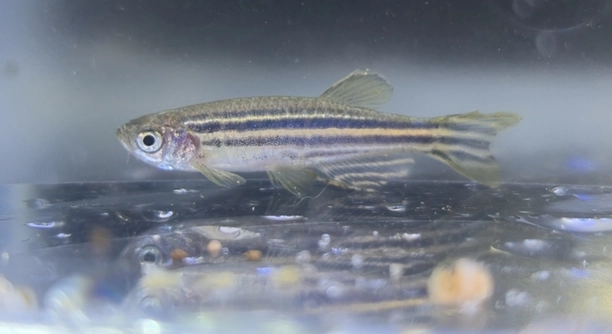
Zebra Danios are popular aquarium fish known for their active nature. These small, striped fish are often a favorite in both beginner and experienced fish tanks. But what about their ability to recognize themselves?
Zebra Danios have been shown to recognize their reflection, a trait linked to self-awareness. This ability is often tested through mirror-based experiments, where fish display certain behaviors indicating that they recognize themselves rather than just reacting to an external stimulus.
Understanding their behavior not only adds to our knowledge of fish intelligence but also helps aquarium enthusiasts create environments that foster healthy, stimulating interactions for their pets.
How Zebra Danios Respond to Their Reflection
Zebra Danios are naturally curious creatures. When introduced to their reflection, they tend to act in ways that suggest self-awareness. They might display behaviors such as swimming in front of the mirror or examining themselves. These reactions are usually seen in species that possess higher cognitive abilities. Studies on fish, including Zebra Danios, have shown that they can distinguish their image from that of another fish. This ability is essential for understanding their social interactions and survival skills. While they don’t have the same self-recognition as humans or some other animals, the fact that they respond to their reflections is noteworthy.
This behavior is often tested through a mirror test, where a fish is presented with a mirror to see how it reacts. If the fish continues to interact with the mirror as if it’s another fish, it indicates a lack of self-recognition. However, if it changes behavior, such as cleaning its body or looking at a specific mark, it’s a sign of recognition.
Understanding this aspect of Zebra Danios’ behavior helps improve aquarium environments. Creating stimulating surroundings based on their behaviors can make a huge difference in their overall well-being. It allows pet owners to support their fish in ways that encourage natural and healthy development.
The Significance of Self-Recognition in Fish
Self-recognition is a complex behavior that is rare in the animal kingdom. Fish like Zebra Danios provide insight into the cognitive abilities of aquatic creatures. They show that even species with simple brains can have a degree of self-awareness.
Fish species like the Zebra Danio are often used in experiments to explore animal cognition. They are helpful models for understanding how simple behaviors might relate to more advanced mental processes. In these experiments, self-recognition is usually tested through mirror images or marks on the fish’s body. The findings have shown that Zebra Danios are capable of distinguishing their reflection from another fish.
This discovery challenges old assumptions that only larger-brained animals possess self-awareness. While the recognition in Zebra Danios may not be as advanced as in primates, it opens new doors for research on fish cognition. Understanding these abilities is vital for improving how we care for and interact with aquarium fish. It could even lead to advancements in fish conservation efforts by allowing us to understand their social structures and intelligence better.
Mirror Test and Zebra Danios
The mirror test is commonly used to assess self-recognition in animals, including Zebra Danios. By introducing a mirror into their tank, researchers observe how the fish interact with it. A significant change in behavior can indicate self-awareness.
Zebra Danios show curiosity when they encounter their reflection. They may swim in front of the mirror, explore their surroundings, or inspect certain body areas. When a mark is placed on the fish, they may attempt to touch or clean it, showing an understanding that something on their body is different. This suggests they can recognize their reflection, even if they don’t fully understand it.
The ability of Zebra Danios to recognize their own reflection isn’t just about self-awareness. It also helps researchers understand how complex or simple the cognitive abilities of different fish species are. In some cases, this recognition may lead to further studies on their behavior and intelligence. Understanding this aspect can offer more insight into how other species function and interact with their environment.
Behavioral Implications of Self-Recognition
Recognizing their reflection may influence how Zebra Danios behave around other fish. It may help them identify social cues or communicate more effectively with others in their tank. In nature, fish rely on visual signals to interact, and self-recognition could be beneficial for navigating their social environment.
Zebra Danios may use this self-awareness in the wild to better understand their role within a school of fish. They can respond more effectively to their environment, ensuring that they avoid predators and communicate clearly with other members of their group. Understanding their own appearance allows Zebra Danios to make more informed decisions when interacting with other fish.
In an aquarium setting, this knowledge of self can help us provide a more enriching environment for them. Since they respond to changes in their reflection, it’s crucial to create tanks with elements that encourage this behavior. This not only supports their natural instincts but also keeps them engaged and healthy.
How Self-Recognition Affects Zebra Danios’ Behavior
When Zebra Danios recognize their reflection, their behavior can shift. They may act more confidently or become curious about the “other fish” in the mirror. This interaction shows that they can differentiate between themselves and external objects.
This behavior is different from how they act around unfamiliar fish. Instead of displaying typical aggression or curiosity, they show an almost inquisitive nature towards their reflection. This suggests a level of self-awareness that allows them to respond in a more complex way to visual stimuli, unlike simple responses to other fish.
Implications for Aquarium Care
In aquariums, self-recognition in Zebra Danios might lead to improved interaction with their environment. If fish can identify themselves, they may become more comfortable in their space, making them easier to care for. It also helps ensure their well-being.
Aquarium owners can use this knowledge to create tanks with mirrors or reflective surfaces that allow Zebra Danios to display natural behavior. By observing how they respond, owners can adjust the tank environment to meet the needs of their fish, fostering a more comfortable and engaging habitat.
FAQ
Can Zebra Danios Recognize Their Reflection?
Yes, Zebra Danios are capable of recognizing their own reflection. Studies have shown that when they are introduced to a mirror, they display behaviors indicating self-awareness. They might interact with their reflection by swimming in front of it or checking their body for marks. This suggests they can distinguish themselves from other fish.
How Do You Know If Your Zebra Danios Recognize Their Reflection?
You can observe specific behaviors when introducing a mirror into the tank. If your Zebra Danios swim in front of the mirror, inspect their body, or seem focused on the reflection rather than ignoring it, they might be recognizing themselves. In some cases, they may try to clean a spot on their body as though responding to an unknown mark.
What Is the Mirror Test for Fish?
The mirror test is a method used to determine self-recognition in animals. A mirror is placed in front of the animal, and researchers look for changes in behavior, such as inspecting body marks or acting differently than they would around other creatures. If the animal reacts to a mark on their body or shows signs of recognizing themselves, it indicates some level of self-awareness.
Why Is Self-Recognition Important for Zebra Danios?
Self-recognition helps Zebra Danios navigate their environment. It allows them to distinguish between themselves and other fish, which is useful for social interactions and avoiding conflicts. It can also indicate a higher cognitive function, as the ability to understand one’s own image suggests more complex mental processes than simple reflexive behavior.
Do Zebra Danios Have Other Cognitive Abilities?
Yes, Zebra Danios have other cognitive abilities that contribute to their survival. They are able to learn from experience, recognize patterns, and respond to changes in their environment. This makes them more adaptable and capable of responding to potential threats or changes in food sources. Their ability to learn is beneficial in an aquarium setting, where they can adapt to new surroundings or feeding routines.
How Can I Test If My Zebra Danios Recognize Themselves?
To test if your Zebra Danios recognize their reflection, you can place a mirror in their tank and observe their behavior. Look for signs such as them inspecting their body, trying to clean or touch certain areas, or showing interest in the reflection for extended periods. These behaviors suggest that they recognize the image as their own.
Is It Harmful to Put a Mirror in My Zebra Danios’ Tank?
Introducing a mirror to the tank for short periods is not harmful to Zebra Danios. In fact, it can be beneficial for observing their behavior and stimulating their natural curiosity. However, constant exposure to mirrors could cause stress or confusion, especially if they become overly focused on their reflection. It’s best to limit mirror use to avoid potential stress.
Can Zebra Danios Feel Stress from Their Reflection?
Yes, like many animals, Zebra Danios can experience stress from their reflection, especially if they become overly fixated on it or mistake it for another fish. This is more likely to happen if they don’t have enough space or stimulation in their environment. To prevent stress, it’s important to ensure a varied and enriching environment for them.
How Can I Improve the Environment for Zebra Danios in My Aquarium?
To create a comfortable environment for Zebra Danios, provide plenty of swimming space and use plants, rocks, and other decorations to mimic their natural habitat. Including areas where they can hide or explore will help reduce stress. Also, maintain clean water, proper lighting, and temperature to keep them healthy and active.
Do Other Fish Species Recognize Their Reflection Like Zebra Danios?
Some fish species have shown similar behaviors to Zebra Danios when exposed to mirrors. However, the ability to recognize oneself in a mirror varies by species. More complex species like some cichlids and cleaner wrasse are known for their ability to pass the mirror test, but many simpler fish, like Goldfish, do not exhibit the same behaviors. Each species’ cognitive abilities can differ based on their environment and social needs.
Are There Any Long-Term Effects of Zebra Danios Recognizing Their Reflection?
There are no significant long-term effects of Zebra Danios recognizing their reflection. However, regular interaction with a mirror might lead to some changes in their behavior. If they become stressed or aggressive toward their reflection, it could lead to anxiety, which is why it’s important to monitor their reaction and not overexpose them to mirrors.
How Do Zebra Danios Interact with Other Fish in the Tank?
Zebra Danios are social fish and tend to interact well with other species. They communicate through body language and can adjust their behavior based on the fish around them. Their self-recognition abilities might play a role in this, allowing them to distinguish between different fish and manage their interactions better.
Can Zebra Danios Recognize Other Fish in the Tank?
Zebra Danios can recognize and differentiate between other fish in their tank, especially those they have been living with for a while. They use visual and behavioral cues to identify different species and individuals. Their ability to recognize their own reflection might also help them better identify other fish in the tank.
How Often Should I Introduce a Mirror to My Zebra Danios?
It’s best to introduce a mirror to your Zebra Danios occasionally, not constantly. You can use the mirror for short periods, perhaps a few minutes at a time, to observe their behavior without causing stress. Overexposure to their reflection can lead to confusion or anxiety, so limit the time they spend in front of the mirror.
Final Thoughts
Zebra Danios are more than just vibrant and active fish for aquariums; they show surprising signs of self-awareness. Through the mirror test, we’ve seen that these small fish can recognize their reflection. While this ability may not be as advanced as in some other animals, it suggests that Zebra Danios are capable of more complex behaviors than once thought. Their interaction with a mirror is a clear sign that they can distinguish between themselves and other fish, which has important implications for understanding their cognitive abilities. It shows that even fish with relatively simple brains can exhibit behaviors we once considered exclusive to more complex species.
Understanding the self-recognition abilities of Zebra Danios can help us create better environments for them in our aquariums. When we recognize their potential for complex behavior, we can better care for them. This might include offering an environment that allows for curiosity, exploration, and a variety of stimuli. The knowledge that they are capable of recognizing themselves encourages us to think more deeply about their well-being and how to meet their natural needs. We can create aquariums that not only mimic their natural habitat but also support their mental stimulation. Observing their behavior when exposed to mirrors can give us insight into their needs, which might lead to happier, healthier fish.
While the recognition of their reflection might seem like a small detail, it contributes to the growing body of research into animal cognition. It highlights how much more we can learn about the minds of even the most common aquarium fish. Understanding Zebra Danios’ behavior opens up new ways of thinking about their intelligence, how they interact with the world, and how they adapt to changes in their environment. This self-awareness in Zebra Danios and other fish species challenges our assumptions about animal cognition and continues to inspire further research into how we care for and interact with aquatic life.

Hello,
If you enjoy the content that we create, please consider saying a "Thank You!" by leaving a tip.
Every little bit helps us continue crafting quality advice that supports the health, happiness, and well-being of pets around the world, for pets of all shapes, sizes, and species.
We really appreciate the kindness and support that you show us!