
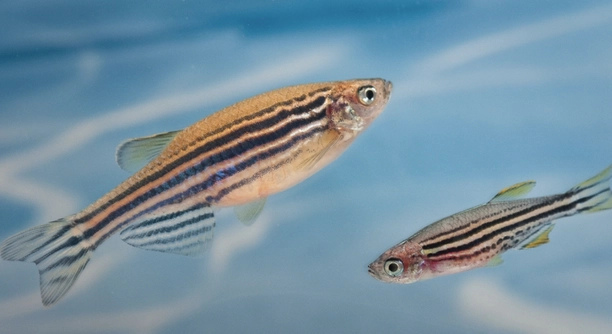
Zebra danios are popular aquarium fish known for their playful behavior and bright stripes. Many fish owners often wonder about how these fish interact with their young fry. Understanding their behavior can help improve their care in a home aquarium.
Zebra danios do not recognize their fry after they hatch. While they may care for their eggs, they typically do not show parental recognition once the fry are born, often seeing them as potential food.
Learning about the behavior of zebra danios can help you better manage their breeding and care. Understanding how they interact with their fry is key to ensuring a healthy environment for both adults and offspring.
Zebra Danios and Parental Instincts
Zebra danios are small and hardy fish, often chosen for their ease of care. However, when it comes to caring for their fry, these fish are not the nurturing type. After the eggs hatch, zebra danios do not recognize their fry as their own. In fact, they may even eat their young if given the opportunity. This is common in many species of fish, as the instinct to protect the fry is not strong. In the wild, zebra danios typically scatter their eggs in plants or gravel, and there is little to no parental involvement after hatching. It’s important for aquarium owners to separate the fry from adult fish to ensure their survival.
Although zebra danios are not protective parents, they still display interesting behaviors when spawning. These fish can breed multiple times a week, releasing large amounts of eggs in a short time. The eggs are fertilized externally, and the parents typically move on quickly, leaving the fry to fend for themselves. This fast-paced reproductive cycle is part of their survival strategy, as the eggs and young fry can be vulnerable in the wild.
Given that zebra danios don’t protect their offspring, it’s essential to keep the fry in a safe environment. Providing plenty of plants or hiding spaces can give the fry a chance to survive. Without adult protection, the young are left to grow on their own. Their small size makes them susceptible to being eaten by other fish, so it’s crucial to take steps to protect them from predation. Keeping the fry in a separate tank or using a breeding net can give them the best chance at surviving and growing.
Caring for Zebra Danio Fry
To ensure the survival of zebra danio fry, provide a stable environment. This includes maintaining water quality and offering proper nutrition for their growth.
Since zebra danio fry are small and vulnerable, water quality is extremely important. Clean, well-filtered water reduces the risk of disease and stress for the young fish. Regular water changes and monitoring the tank’s temperature can make a significant difference in their development. Additionally, consider adding hiding spots like plants or decorations to create a secure space where the fry can feel safe.
Separating Fry from Adult Fish
To protect zebra danio fry, it’s essential to separate them from adult fish. Since adult zebra danios don’t recognize their fry and may eat them, providing a separate environment is critical for their survival.
Using a breeding tank or net can help keep the fry safe. These separate spaces allow the fry to grow without the threat of being eaten by the adults. It’s also important to monitor the water conditions in these tanks closely, as the fry are more sensitive to changes in temperature and water quality. Keeping the environment stable ensures the fry have the best chance to develop into healthy adults.
Once the fry are old enough, they can be gradually introduced to the main tank. However, this should only be done once they are large enough to avoid being eaten by the adult fish. At that point, you can slowly acclimate them to the main aquarium, where they can thrive as full-grown zebra danios.
Feeding Zebra Danio Fry
Feeding zebra danio fry is essential for their growth and survival. They require very fine food like infusoria, baby brine shrimp, or specialized fry food until they grow larger.
As they mature, you can slowly introduce them to more solid foods. Be sure to feed them small amounts frequently, as fry have small stomachs and cannot handle large meals. Overfeeding can lead to water quality issues, which can harm the fry. It’s better to feed small amounts of food throughout the day, ensuring they get enough nutrients without overloading the tank. Proper nutrition is key for helping the fry develop properly. You can adjust the feeding schedule as they grow, but it’s important to monitor their progress closely to avoid any setbacks.
Tank Conditions for Fry
To ensure the fry thrive, maintaining proper tank conditions is crucial. The water should be clean and well-filtered. Fry are very sensitive to poor water quality, so frequent water changes and monitoring are necessary.
Keep the temperature stable between 75–80°F (24–27°C). Sudden fluctuations can stress the fry. It’s also essential to maintain the right pH and hardness levels for their development. A soft, slightly acidic environment is ideal for zebra danio fry. Proper tank conditions will give them the best chance at healthy growth.
Avoiding Overcrowding
When raising zebra danio fry, it’s important not to overcrowd the tank. Too many fry in a small space can lead to stunted growth and stress.
Keep the fry in smaller groups, ensuring they have enough space to swim freely. This reduces the risk of competition for food and oxygen. Overcrowding can also contribute to poor water quality, as more waste is produced in a smaller area. Proper space is essential for the fry’s well-being and development.
FAQ
Can zebra danios breed in a community tank?
Yes, zebra danios can breed in a community tank, but it’s not ideal if you want to ensure the survival of their fry. Since zebra danios are not protective of their young, other fish in the tank may eat the eggs or fry. To maximize the chances of survival, it’s better to separate the breeding pair in a dedicated breeding tank or use a breeding net.
How long does it take for zebra danio eggs to hatch?
Zebra danio eggs typically hatch within 2 to 3 days after fertilization. The water temperature can influence the timing; warmer water may speed up the process, while cooler water can slow it down. After hatching, the fry will stay attached to the tank walls or plants for a short time before becoming free-swimming.
What do zebra danio fry eat?
Zebra danio fry are tiny and need finely crushed food. Start with infusoria or specially prepared fry food. As they grow, you can introduce baby brine shrimp or finely crushed flake food. Make sure to feed small amounts several times a day to ensure the fry get the nutrients they need without overfeeding.
When can zebra danio fry be moved to the main tank?
Zebra danio fry can be moved to the main tank once they are large enough to avoid being eaten by adult fish. This usually happens when they are about 1-1.5 cm in length. Be sure to acclimate them slowly to the new environment to reduce stress. Even in the main tank, providing hiding spots is helpful for the fry’s protection.
Do zebra danios need special care for breeding?
While zebra danios are relatively low-maintenance, they do require some attention during breeding. A separate breeding tank with plenty of plants or spawning mops will encourage them to lay eggs. Make sure the water is clean and the temperature is between 75–80°F (24–27°C) to promote healthy breeding conditions. After the eggs are laid, the adults should be removed to prevent them from eating the eggs.
Why are my zebra danio fry not growing?
Several factors could affect the growth of zebra danio fry. Poor water quality, overcrowding, or inadequate feeding can all slow down their growth. Ensure the tank is well-filtered, the water temperature is stable, and the fry are getting enough nutrition. Sometimes, stunted growth can be a result of too many fry in a confined space, so providing more room can help.
Can zebra danio fry survive without hiding spots?
Zebra danio fry are vulnerable, and without hiding spots, they’re more likely to be eaten by other fish or stressed by their environment. Plants, rocks, or breeding nets can provide these hiding spaces. Creating a safe environment will help the fry feel secure and allow them to grow more successfully.
Do zebra danios need a male and female to breed?
Yes, zebra danios need both a male and female to breed. The male will chase the female and encourage her to lay eggs, which he will fertilize externally. It’s best to have multiple females for each male to reduce stress and encourage natural breeding behavior. A breeding group typically consists of at least two females for every male.
How often do zebra danios breed?
Zebra danios can breed multiple times a week. Their fast reproductive cycle means that, under the right conditions, they can produce several batches of eggs in a short period. This is why it’s essential to monitor their breeding and ensure the fry are protected from predation. If left unchecked, the eggs may be eaten by the adults or other fish in the tank.
What size tank do zebra danios need for breeding?
A 10-gallon tank is typically sufficient for a pair of zebra danios to breed. The tank should have plenty of plants or spawning mops to encourage egg-laying. The water should be soft and slightly acidic, with a stable temperature. Avoid placing other fish in the breeding tank, as they may interfere with the process or eat the eggs.
Can zebra danios breed in freshwater tanks?
Yes, zebra danios are freshwater fish and will breed in a freshwater tank. They thrive in a stable freshwater environment with slightly acidic water conditions. The key to successful breeding is ensuring the water quality is high, the temperature is optimal, and the fish are not stressed.
Do zebra danios eat their own eggs?
Yes, zebra danios will often eat their own eggs if given the chance. This is why it’s recommended to remove the adults after breeding. If you’re trying to raise the fry, separating the adults from the tank or using a breeding net will help protect the eggs and increase the chances of survival for the fry.
How many fry can zebra danios produce at once?
Zebra danios can lay a significant number of eggs at one time. A female can lay between 100 to 300 eggs in a single spawning event. The exact number can depend on the age and size of the female, as well as the breeding conditions. However, not all of these eggs will hatch or survive, especially without protective measures for the fry.
Are zebra danio fry easy to care for?
Zebra danio fry are relatively easy to care for compared to other species. However, their small size and vulnerability make them more sensitive to water quality and predation. With the right care, including proper nutrition, a clean environment, and protection from adult fish, zebra danio fry can grow into healthy adults.
What temperature is best for zebra danio fry?
Zebra danio fry do best in water temperatures between 75–80°F (24–27°C). Maintaining a stable temperature is important for their development. Fluctuations in temperature can cause stress, which may hinder their growth or even lead to mortality. Consistent water conditions will promote healthy fry development.
Final Thoughts
Caring for zebra danios and their fry can be a rewarding experience. While these fish are known for their lively nature and hardy behavior, raising their young requires attention to detail. Zebra danios do not exhibit parental care for their fry, making it essential for aquarium owners to take extra steps to ensure the young fish survive. By separating the fry from adult fish and providing them with the right environment, their chances of growing into healthy adults increase. It’s important to consider their needs, from water quality to proper nutrition, to support their development.
When it comes to breeding, zebra danios are relatively easy to manage, but successful reproduction relies on maintaining ideal conditions. A separate breeding tank or breeding net can help protect the eggs and fry from predation. The right temperature, stable water conditions, and good filtration are crucial for ensuring the fry thrive. Since zebra danios are prolific breeders, owners can expect multiple batches of eggs over time, which adds a layer of responsibility to maintaining a safe environment for the young fish. Regular monitoring and adjusting the conditions as needed will help the fry grow and eventually join the main tank.
Raising zebra danio fry requires patience and care, but it’s a manageable process for most aquarium hobbyists. Keeping the fry in a safe, clean environment with ample food and space allows them to grow into adult fish. While zebra danios are not known for their parental instincts, taking the necessary steps to protect and nurture their young ensures they reach their full potential. Whether you’re a first-time breeder or experienced in caring for fish, understanding the needs of zebra danios and their fry is key to raising them successfully.

Hello,
If you enjoy the content that we create, please consider saying a "Thank You!" by leaving a tip.
Every little bit helps us continue crafting quality advice that supports the health, happiness, and well-being of pets around the world, for pets of all shapes, sizes, and species.
We really appreciate the kindness and support that you show us!