
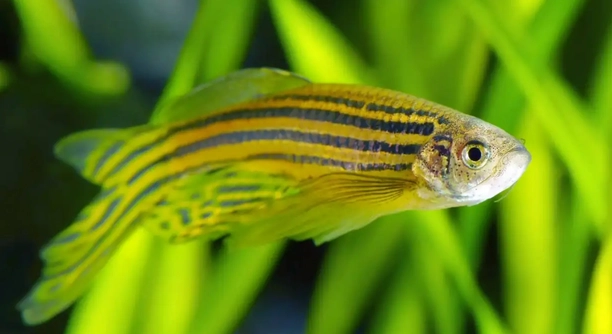
Zebra Danios are small, popular freshwater fish often kept in home aquariums. These lively fish are known for their bright colors and active behavior. But what happens when food is near? Do they react to smells?
Zebra Danios can detect the scent of food through specialized olfactory cells, which allow them to sense chemicals in the water. This ability helps them locate food in their environment, although their response may be more instinctual than conscious recognition.
Understanding how Zebra Danios interact with food scents can help you create a better environment for your aquarium. Their natural behavior offers insights into how they thrive.
How Do Zebra Danios Detect Food?
Zebra Danios have a highly developed sense of smell, helping them detect food from a distance. They use their olfactory organs, located on the sides of their head, to pick up on food particles in the water. This sense is crucial for their survival in the wild, as it helps them find food in their environment. When food enters the water, the chemicals released trigger the fish’s sense of smell, alerting them to the presence of potential meals. Although they are not as sensitive to smells as some animals, their olfactory abilities are enough to locate food sources efficiently.
Their sense of smell is also linked to their behavior. When they catch a whiff of food, you may notice them swimming towards the source more actively. This natural reaction is not just a survival instinct; it’s also part of their everyday routine in searching for nourishment.
In an aquarium, the presence of food can trigger this same behavior. Understanding how Zebra Danios respond to scents can improve feeding routines and ensure they are getting enough nutrition.
Why This Is Important for Aquarium Owners
For aquarium owners, recognizing this behavior is essential for proper care.
If food is added to the water and Zebra Danios sense it, they will likely swim towards the food with quick, purposeful movements. However, if they are not hungry or the food is not appealing to them, they may ignore it. This behavior is influenced by their internal systems that regulate hunger and satiety. If the water in the tank is not clean, the smell of the food may also be masked, making it harder for the fish to detect it. Keeping the water clean and ensuring food reaches the fish effectively is important for maintaining healthy feeding patterns.
By taking note of their responses to food and adjusting feeding times and amounts, aquarium owners can ensure their Zebra Danios stay healthy. This knowledge helps prevent overfeeding and the accumulation of uneaten food in the tank, which can affect water quality.
How Food Smell Affects Zebra Danios’ Behavior
Zebra Danios can become more active and alert when they detect food smells in the water. Their reaction is often quick and instinctual, as they are constantly on the lookout for their next meal. When food enters the water, their body language changes, and they may start swimming toward the source.
This heightened activity is not random; it’s a survival mechanism that signals their body to prepare for feeding. The smell of food triggers neural responses that prompt the fish to swim faster and more purposefully. They rely on these signals to find food in the wild, where food can be scattered or hidden. In the controlled environment of an aquarium, this instinct ensures they are consistently searching for nourishment.
While the sense of smell is a big factor, Zebra Danios may also react to visual cues. If they associate a certain area with food, they might head toward it even before detecting the scent, showing a blend of instinct and learned behavior.
The Role of Water Conditions in Smell Detection
Water quality plays a significant role in how effectively Zebra Danios detect smells. In clear water, the scent of food travels more easily and is detected faster by the fish.
If the water is cloudy or contains too many particles, it can disrupt their ability to smell food accurately. This is because particles can block or dilute the food’s scent, making it harder for the fish to find their meals. In such conditions, even if food is present, Zebra Danios may struggle to notice it. Regular water changes and filtration are key to maintaining clear water, ensuring the fish can pick up on food smells quickly and efficiently.
Keeping the water clean also helps maintain the overall health of the fish. Poor water conditions can lead to stress, making them less responsive to food. Maintaining water clarity allows the fish to act on their natural instincts and thrive in the aquarium.
How Zebra Danios Use Smell in the Wild
In the wild, Zebra Danios rely heavily on their sense of smell to find food. They navigate through water by detecting chemicals released by potential food sources. This instinct helps them find sustenance, especially in environments where food might be scarce or hidden.
Their olfactory sense is finely tuned to detect the smallest particles in the water, making it essential for survival. In nature, Zebra Danios will often swim through currents, using the flow of water to help carry food smells to them. This process helps them locate food more efficiently. Their ability to detect these scents means they are better equipped to compete for resources.
This natural behavior also supports their social structure. Zebra Danios often live in groups, and the scent of food can signal the presence of other fish, encouraging social feeding behavior. Their reliance on smell is a key part of how they function in the wild.
Can Zebra Danios Smell Food in an Aquarium?
Zebra Danios can definitely smell food in an aquarium, but the effectiveness of this ability depends on several factors.
Water conditions, the type of food, and the way food is introduced all impact how well the fish can detect scents. In an aquarium, the smell of food can disperse through the water, triggering the fish to swim toward it. However, if the water is too cloudy or the food is scattered unevenly, they may have difficulty sensing it.
The Importance of Feeding Techniques
The way you feed Zebra Danios matters more than you might think. To help them find food, ensure the food is spread out evenly in the water.
When food is scattered too much or dropped in one spot, it may be harder for the fish to detect. In nature, food doesn’t always appear in one place, but ensuring your aquarium’s food distribution mimics this pattern can help Zebra Danios feel more at ease.
FAQ
Can Zebra Danios smell food from a distance?
Yes, Zebra Danios can detect food smells from a distance. They use their olfactory organs to pick up on chemical signals in the water. This ability helps them locate food efficiently, even if it is not directly in front of them. Their sense of smell is designed to work in both still and moving water, making them effective at finding food in different environments. When food is added to the tank, the scent particles disperse, allowing the fish to follow the smell and move towards it. However, the range at which they can smell food may depend on water conditions and food type.
Do Zebra Danios recognize different food smells?
Zebra Danios likely have the ability to distinguish between different food smells, though this is not fully understood. They may be able to recognize certain foods based on their unique chemical signatures. Fish, in general, have specialized receptors for detecting various smells, which helps them identify potential food sources. While there is no conclusive evidence that Zebra Danios can recognize the specific scent of each type of food, they will typically respond more strongly to food that they have eaten before or that is nutritionally appropriate for them. If a food is new or unfamiliar, it may take some time for the fish to recognize it by scent.
How do water conditions affect Zebra Danios’ ability to smell food?
Water conditions play a significant role in how well Zebra Danios can smell food. Clean, clear water allows the scent particles to move freely, which makes it easier for the fish to detect the presence of food. However, if the water is cloudy or contains a lot of organic material, it can block or dilute the scent, making it harder for the fish to find food. Poor water quality, such as high levels of ammonia or nitrates, can also affect their overall health and reduce their sensitivity to smells. Regular water changes and proper filtration are essential to maintain the water quality that supports their natural behavior, including food detection.
Do Zebra Danios only rely on smell to find food?
While smell is a critical sense for Zebra Danios, they don’t rely on it exclusively. These fish also use their sight and taste to help them find food. When food is introduced to the aquarium, Zebra Danios may notice its appearance and move toward it based on visual cues. They are also likely to use their sense of taste to confirm that what they are eating is suitable for them. Their highly active nature means that they will often be constantly searching for food, combining all their senses to ensure they find enough to eat.
How do I know if my Zebra Danios are hungry?
Zebra Danios exhibit certain behaviors when they are hungry. They may swim more actively and frequently near the surface or around the area where they expect food. They might also exhibit rapid movements or become more social with other fish. These behaviors often indicate that they are searching for food. If the tank environment is stable, and the fish are not responding to food, it could be a sign that they are not hungry or that something else, like water quality, is affecting their behavior. It’s important to monitor your fish for signs of hunger but avoid overfeeding, as this can lead to water quality problems.
Can Zebra Danios eat too much if they smell food often?
Yes, Zebra Danios can overeat if they are frequently exposed to food smells. Their natural instinct is to eat whenever food is available, and they may continue eating even after they are full, especially if the food smells tempting. Overfeeding can lead to health issues like obesity, poor water quality, and an imbalance in the tank’s ecosystem due to uneaten food. It’s essential to feed them appropriate portions and ensure that the food is consumed within a short time after being introduced to the tank. Regular feeding schedules and careful monitoring will prevent overfeeding and help maintain their health.
What types of food do Zebra Danios respond to the most?
Zebra Danios are opportunistic feeders and will respond well to a variety of foods. They are often attracted to small, easily digestible items such as flake food, brine shrimp, and daphnia. They may also eat live or frozen foods, such as bloodworms and mosquito larvae. The smell of these foods in the water can trigger their feeding response, and they will swim toward the source of the scent. While they enjoy a variety of foods, it is important to provide a balanced diet that meets their nutritional needs. A mix of dry, frozen, and live foods can keep them engaged and healthy.
Is it necessary to feed Zebra Danios multiple times a day?
Zebra Danios typically do well with feeding two to three times a day, especially in a well-maintained aquarium. Their small size means they have high metabolic rates, requiring regular meals. However, overfeeding can lead to water quality issues and health problems, so it’s important to provide only as much food as they can consume within a few minutes. Smaller, more frequent feedings are often better than large, infrequent meals. This schedule can help maintain their energy levels without overwhelming the filtration system or causing uneaten food to build up in the tank.
Do Zebra Danios need to smell food to feed properly?
Zebra Danios do rely on their sense of smell to locate food, but they also use sight and learned behaviors. If food is placed in an area they associate with feeding, they will often head toward it, even without actively detecting the scent. However, their ability to locate food is definitely enhanced by their sense of smell. In a well-kept aquarium, food smells spread through the water, guiding them to the source. Proper food distribution in the tank and clear water conditions can improve their feeding behavior and ensure they are eating enough.

Hello,
If you enjoy the content that we create, please consider saying a "Thank You!" by leaving a tip.
Every little bit helps us continue crafting quality advice that supports the health, happiness, and well-being of pets around the world, for pets of all shapes, sizes, and species.
We really appreciate the kindness and support that you show us!