
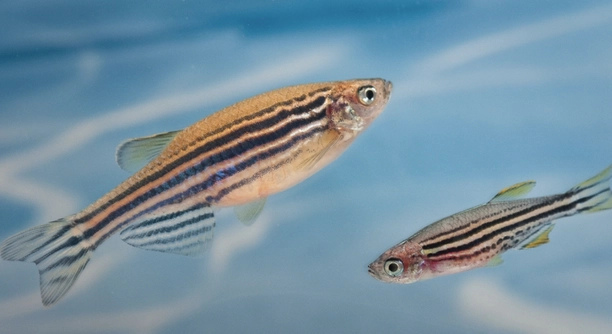
Have you ever watched a group of zebra danios and wondered if they actually form close bonds within their school? These tiny fish are fast swimmers and often seen moving together, but their behavior holds more than meets the eye.
Zebra danios can show preferences for specific companions within their school. Studies have found that they often associate more frequently with certain individuals, suggesting a basic form of social bonding or familiarity, especially in stable and consistent environments.
Understanding how zebra danios interact can help improve their care and tank setup, supporting a healthier and more natural group dynamic.
How Zebra Danios Form Social Bonds
Zebra danios live in schools and often swim in coordinated groups. While this behavior helps protect them from predators, it also plays a role in how they build social bonds. Researchers have observed that danios often swim next to the same individuals more frequently, especially when the group remains stable over time. These patterns suggest they aren’t randomly schooling with whoever is nearby. Instead, they may develop a sense of familiarity with certain fish. Environmental factors such as tank size, hiding spaces, and feeding routines can influence these connections. The more consistent the surroundings, the easier it is for danios to recognize and stick with preferred companions. This type of selective behavior might not be emotional in the human sense, but it still shows a level of recognition and choice. Understanding this behavior can make it easier to create a setup that supports healthier social interactions among your fish.
These patterns become more noticeable in peaceful tanks with a low-stress environment and stable group sizes.
You might also see signs like synchronized swimming, reduced aggression, and even shared resting spots. These actions hint at basic preferences. By watching closely, it becomes clear that not all danios treat every tankmate the same. Some truly seem to stand out.
What Affects Danio Preferences?
Tank conditions play a large role in whether zebra danios develop social preferences. A calm tank with consistent lighting, minimal rearrangement, and a steady group of tankmates helps them form bonds. Stress, overcrowding, or sudden changes can interrupt this process.
Zebra danios have a sharp sense of their environment and their peers. In stable conditions, they learn to recognize familiar body shapes, patterns, or swimming styles. This allows them to choose which fish to stay close to. Some danios prefer bolder companions that swim confidently, while others group with fish that behave more cautiously. Gender, size, and previous experiences can also influence choices. When danios are forced to mix with new groups or moved frequently, they’re less likely to form clear social ties. Maintaining a routine supports recognition. If you’re hoping to see these bonds develop, give your danios enough space, avoid overcrowding, and resist changing the tank layout too often. This will support healthier behavior.
Signs Your Zebra Danios May Have Favorites
You might notice certain zebra danios swimming side by side more often than others. These pairings tend to stay close even when the rest of the school shifts. This repeated closeness can suggest a preference, especially in calm, stable tank environments.
Another sign is how often they interact during feeding time. Some danios will choose to eat near the same companions, even when food is spread throughout the tank. You may also see these pairs resting together or hovering in the same part of the tank during quiet periods. They may not physically touch like some species do, but the consistency of their movements tells a lot. While these behaviors can look subtle, they become easier to spot once you watch the group regularly. If you notice the same fish always staying close together or mimicking each other’s movement, chances are they’re choosing each other on purpose.
Behavioral consistency across several days is key. Some danios might follow others, show less aggression toward specific individuals, or display matching swim speeds. These patterns become more obvious when your tank is stable, with minimal new additions or layout changes. Over time, these social choices can influence how the school moves and interacts as a whole.
How to Support Healthy Schooling Behavior
Maintaining a stable group is important. Try to keep six or more zebra danios together to allow natural schooling behavior. A peaceful tank with low aggression and consistent conditions will support social recognition and ease the formation of preferences.
Use a tank that’s at least 20 gallons to give them enough room to swim and interact naturally. Add hiding places, but don’t overcrowd the tank with too many decorations. Stick to a routine for feeding and lighting. When conditions are predictable, danios are less stressed and more likely to form familiar pairings. Avoid sudden temperature shifts or strong water flow that might force them to scatter. Also, avoid constantly adding or removing fish. Let the same group settle for a while. This helps individual danios get used to each other, strengthening those small social choices. Keep an eye on behavior changes, as these can signal stress that may interrupt natural schooling patterns.
Do These Preferences Change Over Time?
Zebra danios can shift their preferences if tank conditions change or if new fish are added. Stress, illness, or aggression may cause them to distance from previous companions and form new associations within the school.
As fish grow or reach maturity, their behavior may shift slightly. This can lead to new patterns in schooling and social closeness. It’s not always a permanent bond, and changes are normal in a dynamic environment.
Can You Encourage Positive Social Behavior?
Keep a consistent routine and avoid frequent changes in lighting, feeding, or tank layout. Stability gives your danios the chance to recognize and bond with familiar tankmates. Also, reduce stress by avoiding overcrowding and sudden disruptions.
When to Watch More Closely
If a danio starts isolating or acting aggressively, it might signal a problem. Shifts in social patterns can sometimes point to illness or stress.
FAQ
Can zebra danios form long-lasting bonds?
Zebra danios don’t form permanent bonds in the same way humans or some other species do. Their connections are more about familiarity and preference within the school. While they can show regular patterns of swimming near certain fish, these preferences can shift over time based on environmental factors, stress, or even changes in their social group. They don’t seem to have strong attachments that last forever but do tend to swim with the same individuals for extended periods.
Do zebra danios prefer certain genders or sizes?
Zebra danios don’t show a strong preference for gender or size when it comes to forming social bonds. However, some evidence suggests that males might be more active in forming connections with other males, especially when they are competing for mates. Size differences generally don’t seem to play a significant role, as long as the danios are healthy and the group size is stable. Gender preferences are more likely to appear during breeding, not when they’re simply schooling.
How can I tell if my zebra danios are stressed?
Stress in zebra danios can be observed in several ways. If they suddenly stop schooling and swim aimlessly or hide, they could be stressed. A loss of appetite, erratic swimming patterns, or excessive fin clamping are also signs of stress. If they seem to isolate themselves from the rest of the group, there could be environmental factors, such as poor water quality or overcrowding, affecting their behavior.
What should I do if my zebra danios are fighting?
Occasional squabbles are normal, but persistent aggression can indicate stress or territorial issues. If fighting becomes a regular issue, consider adding more hiding spaces to the tank to reduce stress. Ensuring a larger tank with plenty of room to swim can help minimize conflicts. If aggression is persistent, it may be a good idea to separate particularly aggressive individuals into different tanks to calm things down.
Can zebra danios live with other species?
Zebra danios are peaceful and can live with a variety of other species, especially those that are also calm and non-aggressive. They do well with fish that swim at similar speeds and occupy the same water levels, like tetras, guppies, and rasboras. It’s important to avoid housing them with fin-nipping or overly aggressive species, as this can lead to stress or injury.
How many zebra danios should I keep together?
Zebra danios are schooling fish, so it’s recommended to keep at least six together. A larger group helps maintain their natural social behavior. If kept alone or in very small groups, they can become stressed and anxious. Having a group of six or more allows them to display natural school behaviors and feel more secure in their environment.
Do zebra danios need a specific type of tank setup?
Zebra danios don’t require anything overly complicated in their tank setup, but they do need enough space to swim freely. A tank of at least 20 gallons is ideal for a small group. Provide some plants and hiding spots, but leave plenty of open water for them to swim. Regular water changes and stable water conditions are key to keeping them happy. They don’t require intense lighting or specific decorations, but the tank should be well-maintained.
How can I tell if my zebra danios are happy?
Happy zebra danios are active and swim in coordinated groups. They are typically seen swimming in patterns with their tankmates rather than isolating themselves. They should be eating regularly and not showing signs of stress or illness. If they seem calm and their color is vibrant, it’s a good sign that they’re content.
Are zebra danios good for beginner fishkeepers?
Yes, zebra danios are great for beginners. They are hardy, easy to care for, and adapt well to a range of tank conditions. They don’t require specialized care and can live in a wide range of water parameters, making them forgiving for new aquarium owners. They are also peaceful, making them suitable for community tanks.
Can zebra danios breed in a home aquarium?
Yes, zebra danios can breed in a home aquarium. They are egg-layers and will spawn in a well-maintained tank with suitable conditions. If you want to breed them, it’s best to have a separate breeding tank with fine-leaved plants for the eggs to settle in. The adult fish may eat the eggs, so removing them after spawning is a good idea. The eggs will hatch in about two to three days.
What is the lifespan of a zebra danio?
Zebra danios typically live between 2 to 3 years when kept in optimal conditions. Their lifespan can be extended with proper care, including stable water parameters, regular feeding, and avoiding stressors like overcrowding or poor water quality. While they aren’t the longest-lived fish, they can thrive for a good number of years with the right environment.
Final Thoughts
Zebra danios are fascinating fish with a range of interesting social behaviors. While they don’t form deep, long-lasting bonds like some other species, they do exhibit preferences for certain tankmates. These preferences are usually based on familiarity rather than strong emotional connections, as their social structure relies on schooling for safety and comfort. Watching zebra danios interact can reveal subtle but clear patterns, such as swimming together and resting in the same areas of the tank. These behaviors reflect their need for social stability and are a reminder of how important group dynamics are for their well-being.
It’s important to remember that these preferences can change over time. As their environment shifts or new fish are introduced, zebra danios might adjust their social connections. Stress, illness, or even the presence of new individuals can influence their behavior, causing them to form new groupings or distance themselves from certain tankmates. This flexibility in their social interactions is a key part of their adaptability, which helps them thrive in a variety of tank setups. However, maintaining a stable and stress-free environment is essential for minimizing disruptions to their social behavior.
In the end, understanding the social needs of zebra danios can enhance their care and overall quality of life. By providing a consistent routine, a well-maintained tank, and a peaceful environment, you help ensure that these small, active fish can form healthy social connections and feel secure in their school. Watching these fish interact in a harmonious environment can be quite rewarding, as their natural behaviors unfold in front of you. Keeping an eye on their behavior and making necessary adjustments when needed will ensure your zebra danios are happy and thriving.

Hello,
If you enjoy the content that we create, please consider saying a "Thank You!" by leaving a tip.
Every little bit helps us continue crafting quality advice that supports the health, happiness, and well-being of pets around the world, for pets of all shapes, sizes, and species.
We really appreciate the kindness and support that you show us!