
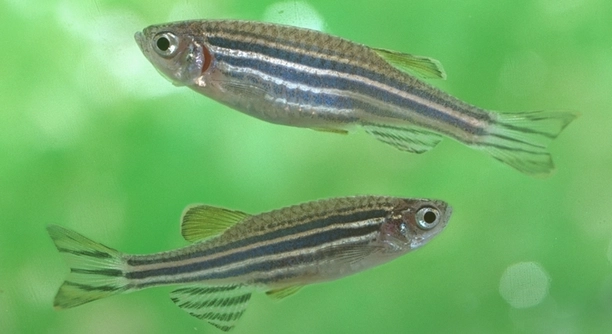
Zebra Danios are lively and active fish, while Betta Fish are known for their aggressive nature. Knowing how to balance these traits can help create a harmonious aquarium setup. This article explores whether these two species can live together peacefully.
Zebra Danios and Betta Fish are generally not ideal tank mates. Betta Fish tend to be territorial and may react aggressively toward the fast-moving Zebra Danios, which can stress them out. However, careful tank management can occasionally allow them to coexist.
Maintaining a peaceful tank requires monitoring behaviors and ensuring enough space. It’s essential to consider their personalities and environmental needs for a successful tank setup.
Why Betta Fish and Zebra Danios Don’t Always Mix
Betta Fish are known for their territorial nature. They can be aggressive toward fish they see as a threat. Zebra Danios, with their quick movements and small size, may trigger this aggression. When placed together, the Betta might chase or nip at the Danios, causing them stress or injury. On the other hand, Danios are active swimmers that enjoy exploring, and their constant motion can provoke a Betta Fish. Betta Fish need their space to feel safe, and the active nature of Zebra Danios can lead to an uncomfortable environment for both.
Despite this, some aquarists claim success with these species living together. The key is setting up a tank with proper space, hiding spots, and a peaceful environment. By doing so, the aggressive tendencies of the Betta may be lessened. However, this takes careful monitoring and adjustment. If you notice stress, it’s best to separate them to prevent harm.
Betta Fish are often best kept alone, especially in smaller tanks. Larger tanks can provide more opportunities for both species to find their space and establish boundaries. If you are set on housing them together, ensure plenty of plants and structures to divide the space.
Factors to Consider Before Housing Them Together
Before placing Zebra Danios and Betta Fish in the same tank, consider the tank size. A larger tank gives both fish more room to claim their own areas. Smaller tanks increase the likelihood of conflict, as both fish need more territory to avoid feeling threatened. Additionally, water conditions play an important role. Betta Fish thrive in warmer waters, typically between 75-80°F, while Zebra Danios can tolerate a broader range of temperatures. Finding a middle ground is essential for both fish to remain healthy and avoid stress.
Adding hiding spots like plants, rocks, and decorations is another factor to help reduce aggression. These structures allow the Zebra Danios to dart away from a Betta when needed, providing them with a sense of security. A good filtration system is also necessary to maintain water quality. Poor water quality can lead to health problems, which may worsen the aggressive behavior of the Betta. If you can meet the needs of both species and carefully monitor their interactions, it is possible to house them together, though it’s never guaranteed.
The health of your tank’s environment affects everything from fish behavior to overall well-being. When both species are given the proper care, they might coexist peacefully, but it’s important to always watch for signs of stress and aggression.
How to Create a Peaceful Tank for Both Species
To create a peaceful environment for Betta Fish and Zebra Danios, start with a large tank. A 20-gallon or larger tank will give each fish more space, which is essential for reducing conflict. Avoid overcrowding to ensure both species feel secure.
Adding plenty of decorations like rocks, plants, and caves will provide hiding spots for Zebra Danios. These fish are fast swimmers, and having places to dart to will reduce stress. The Betta will also appreciate places to retreat, especially when it feels threatened. Separate areas in the tank help both species maintain their personal space, leading to fewer conflicts.
Water quality is critical for maintaining harmony. Keep the tank clean with regular water changes and proper filtration. Make sure the water temperature is consistent with the Betta’s needs—between 75-80°F. Zebra Danios are a little more flexible with temperature but still thrive in warmer water. Pay attention to water parameters like pH and hardness to avoid stress on either species.
How to Spot Aggression Early
Aggression can sometimes be subtle. Watch for signs of the Betta chasing or flaring its fins, as this often indicates stress or territorial behavior. The Betta may nip at the Zebra Danios, especially if they swim too close or too fast. If this happens, it’s important to intervene quickly.
Pay attention to the body language of the Zebra Danios as well. If they begin hiding more than usual or darting around the tank in an erratic manner, it could be a sign they’re trying to avoid the Betta’s aggression. These fish are typically active, so a significant change in behavior should be a red flag. It’s also essential to observe the tank during feeding times. Sometimes, a Betta will become aggressive over food, even toward non-threatening fish.
Both fish need space to feel comfortable, so try to observe their behavior regularly. Even with plenty of room and hiding spots, their personalities and interactions can shift. If you notice continuous aggression, consider separating them.
Tankmates That Work Better with Betta Fish
If you find that your Betta isn’t getting along with Zebra Danios, consider other tankmates that may be a better fit. Peaceful species like Corydoras catfish, small tetras, or snails are less likely to provoke aggression. These species usually swim lower in the tank, leaving the Betta with its territory.
When choosing tankmates, always consider the size and temperament of the fish. Avoid fast swimmers or species with long fins, as they may be seen as a threat. Fish like the peaceful Corydoras catfish often work well because they stay close to the bottom and won’t challenge the Betta.
Adding these species can help create a balanced tank. Ensure the tank is large enough for all inhabitants and provide hiding spots for each species to reduce stress. A peaceful community tank can often be the key to keeping your Betta content and avoiding aggressive behavior.
How to Deal with Stress in Your Fish
Stress in Betta Fish and Zebra Danios can lead to health problems, so it’s crucial to address it quickly. Stress may show up in physical symptoms like faded colors, lethargy, or loss of appetite. Keep an eye out for these signs to catch stress early.
If you spot any of these symptoms, start by checking the water quality and ensuring that the temperature is correct. Stress often comes from poor water conditions, so regular testing is a must. Also, reduce any unnecessary changes in the environment to help your fish adjust.
Adding plants and hiding spots to the tank can give your fish a sense of security, which helps reduce stress levels. If the Betta’s aggression persists, separating the fish may be necessary to ensure both species stay healthy.
FAQ
Can Zebra Danios live with other fish besides Betta Fish?
Yes, Zebra Danios can live with other fish, but you need to choose the right tankmates. They are peaceful and social, making them great companions for species like tetras, guppies, and Corydoras catfish. Avoid housing them with overly aggressive fish, especially those that may view their quick movements as a threat. A peaceful, community setup with plenty of space and hiding spots is ideal.
How can I tell if my Betta is stressed by the Zebra Danios?
Stress in Betta Fish is often visible through changes in behavior and physical appearance. A stressed Betta may display signs such as fin clamping, hiding, loss of color, or becoming unusually aggressive. If your Betta is constantly chasing or flaring at the Zebra Danios, it’s a sign of stress. If this behavior persists, it might be best to separate them. Additionally, watch for changes in feeding habits or lethargy, which are also common signs of stress.
What size tank is best for Betta Fish and Zebra Danios?
A tank size of at least 20 gallons is recommended when housing Betta Fish and Zebra Danios together. The larger the tank, the more room each species has to establish its territory and reduce conflicts. Smaller tanks often lead to overcrowding, which can increase stress and aggression. The more space you provide, the better the chances that both species will coexist peacefully.
Can I add more Zebra Danios to the tank with my Betta?
It’s generally not recommended to add more Zebra Danios if you already have a Betta in the tank, as it may trigger more aggressive behavior from the Betta. Betta Fish are territorial, and adding more fish may cause the Betta to feel threatened or territorial. If you wish to add more Zebra Danios, ensure your tank is large enough to accommodate them, with enough hiding spots to give everyone space.
How can I reduce aggression in Betta Fish?
To reduce aggression in Betta Fish, provide plenty of hiding spots, plants, and decorations. Betta Fish are naturally territorial, and adding plants or rocks for them to hide behind can help them feel secure. Additionally, make sure your Betta has plenty of space—crowding can make aggression worse. If necessary, separate the Betta from other fish that provoke its aggression.
What are the best water conditions for both Zebra Danios and Betta Fish?
Betta Fish prefer warm water between 75-80°F, while Zebra Danios can tolerate a slightly wider range of temperatures, but they still thrive in the same general range. Keep the water clean and well-filtered to avoid stress for both species. Betta Fish prefer slightly acidic to neutral pH (6.5-7.5), while Zebra Danios can handle a broader pH range (6.5-8.0). Regular water changes are essential for maintaining a healthy environment and reducing the risk of disease or stress.
Can Zebra Danios be kept in a tank with plants?
Yes, Zebra Danios can thrive in a tank with plants. Live plants offer hiding spots and help create a more natural, peaceful environment. Zebra Danios are active swimmers, and having plants to swim around can provide them with enrichment and reduce stress. They also help maintain water quality by absorbing excess nutrients. Just make sure the plants are hardy, as Zebra Danios may nibble on softer types.
Are there any signs that my Zebra Danios are stressed by the Betta?
Yes, stressed Zebra Danios may exhibit signs like erratic swimming, hiding more than usual, or darting around the tank. They may also become less active during feeding times or lose their usual color vibrancy. If you notice these behaviors, it’s important to assess the situation and consider separating the Betta from the Danios to prevent any potential harm.
Can Betta Fish and Zebra Danios live together long-term?
Betta Fish and Zebra Danios can live together long-term if the right conditions are met. This includes a spacious tank with plenty of hiding spots, well-maintained water quality, and careful monitoring of the Betta’s behavior. However, this setup requires constant attention and adjustments. If you notice persistent aggression or stress, separating the species may be the best solution for long-term harmony.
What is the best way to introduce Betta Fish and Zebra Danios?
To introduce Betta Fish and Zebra Danios, do so gradually. Start by placing the Betta in a separate part of the tank, using a divider if necessary. This allows the Betta to get used to the Danios’ presence without direct contact. After a few days, you can remove the divider and monitor their behavior closely. Make sure the tank is large enough for both species to establish their own space. Always be prepared to separate them if aggression occurs.
How often should I feed Betta Fish and Zebra Danios together?
Both Betta Fish and Zebra Danios have similar feeding needs. It’s best to feed them once or twice a day with small portions. Avoid overfeeding, as excess food can lead to water quality issues. Make sure the food you offer is appropriate for each species. Betta Fish often prefer high-protein foods like pellets, while Zebra Danios are omnivores and will eat a variety of foods, including flakes or live food. Watch their feeding habits closely to ensure they are getting enough without competing for food.
Final Thoughts
When it comes to housing Betta Fish and Zebra Danios together, there are many factors to consider. While some aquarists have successfully kept these species in the same tank, it’s not always guaranteed that they will get along. Betta Fish are naturally territorial and can become aggressive, especially if they feel their space is being invaded. Zebra Danios, with their quick movements and active nature, can sometimes trigger this aggression. It’s important to provide a tank with enough space, hiding spots, and plants to reduce the chances of conflict between the two species.
However, even with these precautions, things may not always work out. Betta Fish can be unpredictable, and their behavior can change over time. Some Betta Fish may tolerate Zebra Danios and other tankmates, while others may be more aggressive. The success of housing these species together depends largely on the individual temperament of the Betta and the setup of the tank. If aggression continues despite efforts to create a peaceful environment, separating the Betta and Zebra Danios is often the best solution. It’s also essential to monitor the tank regularly for signs of stress, such as changes in behavior or physical appearance in both species.
Ultimately, it’s crucial to carefully assess the needs of both Betta Fish and Zebra Danios before deciding to house them together. Both species require specific water conditions, tank space, and environmental factors to thrive. If you’re committed to keeping them in the same tank, be prepared for some trial and error. It may take time to find the right balance and create a harmonious environment. However, with the right precautions and regular monitoring, it is possible to have a peaceful tank where both species coexist. Just remember that sometimes the best choice is to separate them, ensuring that both your Betta and Zebra Danios live happy, healthy lives.

Hello,
If you enjoy the content that we create, please consider saying a "Thank You!" by leaving a tip.
Every little bit helps us continue crafting quality advice that supports the health, happiness, and well-being of pets around the world, for pets of all shapes, sizes, and species.
We really appreciate the kindness and support that you show us!