
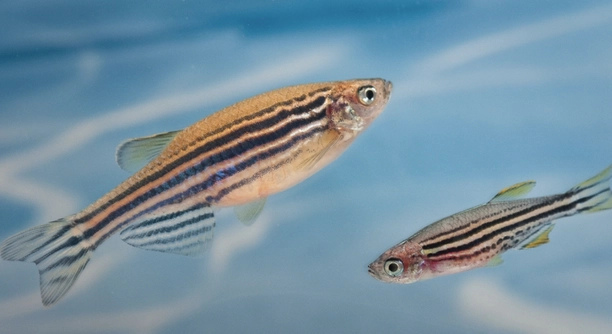
Zebra Danios are popular aquarium fish known for their vibrant colors and active nature. Many owners may be curious about their behavior, especially during breeding. Understanding their breeding process is key to keeping them healthy.
While breeding, Zebra Danios can occasionally get injured. This happens when males become overly aggressive, chasing females or fighting with other males. The stress from these interactions can lead to physical damage or even death in extreme cases.
Breeding can be an exciting time, but understanding potential risks can help ensure your Zebra Danios stay safe and healthy. Knowing what to watch for can make all the difference in their care.
Zebra Danios’ Breeding Behavior
Zebra Danios can be quite active during their breeding period, with males becoming particularly competitive. They will often chase the females around the tank in a display of rapid movements, trying to entice them to spawn. While this behavior is natural, it can sometimes lead to injuries, especially if the tank environment is cramped or lacks hiding places. The males may push and bump into each other, sometimes causing damage to the females or themselves. This aggression is usually a result of mating competition, and the more males present, the more likely intense interactions will happen. Additionally, female Danios may become stressed, which can also contribute to physical harm or disruption of the breeding process.
Breeding can be physically demanding for the Danios, and without proper space, the risk of injury increases. Their fast-paced nature and constant chasing can lead to bruises or torn fins if things get too rough.
To ensure a safer breeding experience, provide plenty of plants, decorations, or hiding spots. This allows the females to escape the relentless pursuit of the males and reduces stress. Creating a calm environment during breeding increases the likelihood of successful reproduction without injury.
How to Minimize the Risk of Injury
To reduce the chances of injury during breeding, ensure that your tank is spacious enough. Crowded environments often cause stress, leading to more aggressive behaviors. You should also make sure to include plenty of hiding spots and plants for the fish to retreat to.
Males can get aggressive when competing for a mate, but having enough hiding places gives the females an escape route. This reduces the chances of them getting constantly chased, which can lead to physical harm. Consider dividing the tank into sections with plants or decorations, so the fish can avoid dangerous confrontations. The more natural and secure the environment, the less likely the injuries will happen.
Another important factor is maintaining optimal water conditions. Poor water quality can stress the fish, making them more susceptible to injuries. Regular water changes, temperature control, and good filtration will create a healthier environment for both males and females during breeding. This care can help keep the breeding process smooth and less likely to result in harm.
Signs of Injury During Breeding
Injuries are often hard to spot immediately, but there are some signs to watch for. Fin damage or visible tears in the skin can be indicators that the fish have been hurt. Swollen areas, redness, or abnormal swimming behavior should also raise concern.
If you notice a fish struggling to swim or spending too much time hiding, it’s possible they’ve sustained an injury. Damaged fins or torn scales might not heal quickly, especially if the fish are constantly stressed. If you see one of your Zebra Danios showing these signs, it’s important to separate them from the group to prevent further injury. It’s also helpful to monitor the injured fish closely and adjust the tank environment to reduce the risk of additional harm. Taking action early on can make a big difference in the fish’s recovery.
Keeping a close eye on their condition after breeding is key. Treating any injuries right away can prevent infections, which are common in wounded fish.
How to Treat Injured Zebra Danios
If your Zebra Danio gets injured during breeding, it’s important to act quickly. First, remove the fish from the main tank to a separate quarantine tank. This gives the fish a chance to heal without further stress. Make sure the quarantine tank is clean and has proper water conditions.
In the quarantine tank, keep the water clean with regular changes, and maintain stable temperature and pH levels. This helps reduce stress and supports the healing process. If you notice any signs of infection, you may need to treat with an appropriate medication designed for fin or skin injuries.
Be sure to monitor the fish regularly to track its recovery. Injuries may take some time to heal, so patience is key. Avoid handling the fish too much, as this could stress it further. Keeping the environment calm and stable will help the injured fish heal without complications.
Preventing Aggression in the Tank
To minimize aggression during future breeding events, consider adjusting your tank’s setup. Adding more hiding places or adjusting the number of males can help reduce competition. This allows males to focus on mating instead of fighting each other.
The Importance of Proper Nutrition
Feeding Zebra Danios a balanced diet before and during breeding can help keep them strong and healthy. A nutritious diet supports their immune system and overall well-being, making them less likely to get injured.
FAQ
What should I do if my Zebra Danio gets injured during breeding?
If your Zebra Danio gets injured, first separate it from the main tank and place it in a quarantine tank with clean water. Keep the water quality optimal with regular changes, and ensure the temperature and pH are stable. Avoid handling the fish too much to prevent further stress. If needed, apply medications for wounds or infections, but be cautious not to disturb the fish more than necessary. Monitor the injury closely, and be patient as healing can take some time. Make sure the fish is well-fed to support its recovery.
How can I prevent Zebra Danios from fighting during breeding?
To minimize fighting during breeding, ensure your tank is spacious with plenty of hiding spots, plants, or decorations. This gives the females a safe space to escape from the males’ pursuit. Reducing the number of males can also lessen aggression, as competition for mates is a major cause of fighting. Creating a calm, well-structured environment can help reduce the stress that triggers aggressive behavior. Be sure to maintain optimal water quality and stable conditions to prevent additional stress that could increase aggression.
Is it safe to breed Zebra Danios in a community tank?
Breeding Zebra Danios in a community tank is possible, but there are risks. The presence of other fish can increase stress, leading to more aggressive behaviors, especially from males. Additionally, other fish might eat the eggs or fry. If you want to breed Zebra Danios, it’s best to have a separate breeding tank. This allows you to control the environment and reduce potential risks. If breeding in a community tank is the only option, be sure to monitor closely and remove the eggs or fry immediately to protect them.
How long does it take for Zebra Danio eggs to hatch?
Zebra Danio eggs typically hatch within 2 to 3 days, depending on water temperature. The warmer the water, the faster the eggs will develop. After fertilization, the eggs become transparent, and you can see the developing embryos inside. Once the fry hatch, they will rely on the yolk sac for nutrition for the first few days, after which they will begin to swim freely and search for food. It’s important to provide appropriate food for the fry, such as infusoria or baby brine shrimp, to help them grow.
Can Zebra Danios breed multiple times in one cycle?
Yes, Zebra Danios are capable of breeding multiple times within a single cycle. Females can lay eggs in short intervals, often multiple times over the course of several days. Male Zebra Danios are also known to be persistent, frequently chasing and courting females to encourage spawning. This makes them prolific breeders. However, excessive breeding may cause stress or injury to the fish, so it’s important to manage the tank environment and ensure the fish have plenty of space and hiding spots to reduce aggression.
How can I tell if my Zebra Danio is ready to breed?
Female Zebra Danios become ready to breed when they are well-fed, and their bodies become visibly rounder with eggs. The males are often more colorful during breeding time, with their fins becoming brighter and more pronounced. The males will chase the females, attempting to induce them to lay eggs. If you notice these behaviors, it’s a sign that the fish are in breeding condition. Make sure the water temperature is within the ideal range of 75-80°F (24-27°C) to encourage spawning, as Zebra Danios breed best in slightly warmer water.
Why are my Zebra Danios not breeding?
There are several reasons why Zebra Danios may not be breeding. One possibility is that the water conditions are not optimal. They prefer a temperature of around 75-80°F (24-27°C) and slightly acidic to neutral water. Stress is another major factor; overcrowding, poor water quality, or aggressive tankmates can all hinder breeding. Lack of nutrition can also prevent breeding; ensure your Zebra Danios are well-fed with a varied diet of high-quality flakes, pellets, and occasional live or frozen foods. If conditions aren’t ideal, the fish may delay or avoid spawning.
Do Zebra Danios require a specific environment for breeding?
Yes, Zebra Danios prefer certain conditions for successful breeding. They thrive in tanks with plants, soft substrate, and slightly acidic to neutral water. For breeding, the water temperature should be slightly warmer than usual, between 75-80°F (24-27°C). Plants like Java moss or marbled leaves provide a good space for the eggs to land. The tank should be well-filtered, but not too strong, to avoid disturbing the breeding process. Providing these conditions increases the likelihood of a successful spawning event and reduces stress on the fish.
Can I breed Zebra Danios with other fish species in the same tank?
Breeding Zebra Danios with other species in the same tank can be challenging. Other fish may interfere with the breeding process by stressing the Danios or eating the eggs and fry. Zebra Danios are peaceful, but their fast movements and aggressive males can be disruptive to other tankmates. If you wish to breed them, it’s best to separate them from other species or set up a breeding tank to ensure the Danios have a safe and undisturbed environment. Otherwise, breeding success may be significantly reduced.
Are Zebra Danios easy to breed?
Zebra Danios are relatively easy to breed, making them a popular choice for aquarium hobbyists. They are egg scatterers, meaning the female releases her eggs, and the male fertilizes them in the water. They breed quite readily, especially when they are healthy and the water conditions are suitable. However, controlling their breeding process can require attention to tank setup and water quality. While they are not overly demanding, providing a stable environment with minimal stress helps encourage consistent breeding. With the right conditions, Zebra Danios can breed successfully and regularly.
Final Thoughts
Zebra Danios are relatively easy to care for and breed, but it’s important to be aware of the potential risks during the breeding process. While they are hardy fish, their active and sometimes aggressive behavior can lead to injuries, especially if there are not enough hiding spots or if the tank is overcrowded. Ensuring the tank is spacious with plants or decorations will help reduce stress and prevent excessive chasing and fighting. Creating a calm, secure environment is key to reducing aggression and giving both the males and females a better chance of breeding successfully without harm.
Breeding Zebra Danios can be a rewarding experience, but it does require some preparation. Monitoring the water quality, maintaining a stable temperature, and making sure the fish are well-fed are all important factors in their health and breeding success. It’s also essential to separate injured fish quickly to prevent further damage and stress. By keeping a close eye on the tank, adjusting the environment as needed, and providing the right conditions, you can encourage the breeding process while ensuring the safety of the fish. A healthy breeding environment will allow the Zebra Danios to thrive and reproduce without significant injuries.
While it may seem like Zebra Danios are low-maintenance, it’s clear that proper care and attention during their breeding period are essential to their well-being. By providing a safe, well-maintained tank, understanding their breeding behaviors, and monitoring their health, you can avoid potential issues and enjoy watching these beautiful fish reproduce. Whether you’re breeding them for fun or to expand your aquarium community, following these simple guidelines will give you the best chance of success while ensuring the long-term health of your Zebra Danios.

Hello,
If you enjoy the content that we create, please consider saying a "Thank You!" by leaving a tip.
Every little bit helps us continue crafting quality advice that supports the health, happiness, and well-being of pets around the world, for pets of all shapes, sizes, and species.
We really appreciate the kindness and support that you show us!