
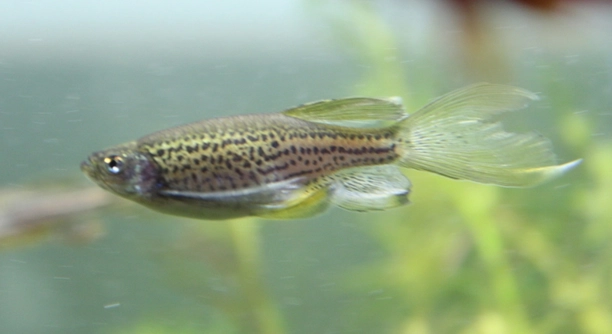
Have you ever sat by your aquarium and noticed your zebra danios interacting in curious, animated ways that seem more than random? These tiny fish are known for their speed, but there’s something more going on beneath the surface.
Zebra danios communicate using body language such as darting, fin displays, and changes in swimming patterns. These movements convey social cues related to dominance, mating, and territorial behavior, allowing them to interact effectively within their groups.
Their movements carry meaning, and understanding them may deepen your connection with these fascinating, fast-swimming aquarium fish.
How Zebra Danios Use Body Language to Interact
Zebra danios use simple but effective movements to communicate with each other. These signals help them maintain their social structure and avoid conflict. For example, quick darting motions often signal excitement or alertness, while slower, flowing swims may show comfort and relaxation. Males may chase or circle females during mating displays, while fin flaring can express dominance or a mild warning. These behaviors are subtle but noticeable if you spend enough time watching them. In a group setting, this body language helps them coordinate movement, find mates, and establish a peaceful pecking order. They rely on constant visual cues to keep the group balanced, especially in active tanks where space is shared. Unlike vocal animals, zebra danios depend completely on visual and physical signs. If one fish shows stress or fear, others may react quickly to mimic or adjust, which helps the whole group stay alert to changes in their surroundings.
These movements can appear small but often hold a lot of meaning.
By understanding how zebra danios use their body, you can catch early signs of stress, illness, or aggression. Fish that isolate themselves, breathe rapidly, or dart repeatedly might be feeling unwell or uncomfortable. Paying attention to these signals helps prevent bigger problems before they start. Watching for patterns in how they move around the tank or interact with other fish gives useful insight into their mood and overall health.
What These Signals Mean for Care
Reading your zebra danio’s behavior makes tank care easier and more rewarding.
Zebra danios do best when their space matches their social habits. Since they rely on body language, they need open room to swim freely and a peaceful group of their own kind. Keep them in groups of at least five to avoid stress-related behavior. Overcrowding or isolating one danio can lead to confusion and poor health. Tank décor should provide some hiding spots but still leave enough space for movement. If you notice one fish acting differently—maybe it’s hiding more, losing color, or becoming overly aggressive—it’s often reacting to its environment or health. By adjusting tank conditions like lighting, temperature, or social mix, you can help restore balance. Simple choices like removing aggressive fish, improving water quality, or even just rearranging tank items can make a noticeable difference. Observing your zebra danios daily is one of the best ways to keep them healthy and make your tank feel more alive and active.
Recognizing Stress Through Body Movements
When zebra danios feel stressed, their body language often becomes sharp and repetitive. You might see them pacing the tank walls, hiding more than usual, or chasing other fish without stopping. These are clear signs that something may be off in their environment.
Rapid darting, clamped fins, or shaking movements can all indicate stress. This behavior might come from poor water conditions, sudden changes in temperature, or bullying from tank mates. Even too much noise near the tank can affect them. When zebra danios are stressed, they may lose their usual boldness, stop eating, or isolate themselves from the group. Watching for these signs is important. Quick adjustments to the tank—like checking filters, spacing out feeding, or dimming the lights—can help. Sometimes it’s a combination of small things causing the issue, so observing regularly makes a big difference in their overall comfort and behavior.
When one fish acts unusually, others often follow. In groups, zebra danios mirror stress signals. If one shows fear or unease, others may begin to copy the same motions. You’ll likely notice the group becoming more restless, even if only one fish was affected at first. This kind of social mimicry helps them survive in the wild, but in a tank, it can quickly lead to group-wide anxiety. To help break this cycle, create a calm, stable environment with consistent lighting and routine care. Regular water testing and quiet surroundings also help restore peace in the tank.
Positive Social Signals in the Tank
Happy zebra danios move together with smooth, flowing motion. They swim in groups, take turns leading, and respond calmly to one another. A fish that slows down but stays with the group is usually relaxed, not ill or stressed.
In healthy tanks, zebra danios display behaviors like playful chasing, gentle fin flicks, and synchronized swimming. These actions show that the group is balanced and communication is going well. Positive social signals are easy to miss if you’re not looking closely, but they’re there. When fish maintain their color, move with purpose, and interact evenly without signs of panic, it’s a sign they’re comfortable. A peaceful tank will feel more active but never chaotic. You can encourage these good habits by giving your zebra danios enough space, steady routines, and the right companions. A group that communicates well through body language tends to stay healthier, live longer, and become more enjoyable to watch over time.
How Group Behavior Affects Communication
Zebra danios are more confident and expressive when kept in groups. Schooling helps them feel secure, which leads to more natural body language. A lonely danio may become anxious, making communication less clear and behavior more erratic.
Balanced group behavior also reduces aggression. When fish understand each other’s movements, they’re less likely to fight. This leads to smoother interactions and fewer signs of stress. Group swimming, chasing, and spacing all improve when they have enough companions.
Changes in Behavior Over Time
As zebra danios grow or their tank conditions shift, their body language can also change. Young danios are usually more active, darting around more frequently. As they mature, their movements can become more controlled and less frantic. Seasonal changes in your home may also affect their behavior, such as changes in room lighting or water temperature. If a danio begins moving slower, spending time alone, or avoiding food, it might be due to age or an early health issue. Knowing how they usually behave helps you notice when something feels off. Regular observation will help you adjust care as needed.
Why It’s Worth Paying Attention
Reading their body language helps create a more peaceful, healthy tank. It also builds a better bond with your fish.
FAQ
Can zebra danios understand each other through movement?
Yes, zebra danios use movement to communicate with each other. When they swim in groups, their synchronized motions help maintain order and safety. Quick darts can signal danger, while steady swimming usually means calm. They pick up on each other’s energy and respond as a group. This behavior helps them avoid predators in the wild and stay socially balanced in a tank. Observing how they move in different situations can tell you a lot about their current mood and comfort levels.
Why do zebra danios chase each other?
Chasing is a normal part of zebra danio behavior. It often happens during feeding, playful interaction, or to show dominance. In healthy groups, chasing is quick and doesn’t result in damage. However, if the same fish is always being chased or starts hiding, it might be a sign of bullying. You can reduce this by adding more hiding spots, increasing group size, or rearranging the tank layout. Chasing only becomes a concern when it’s constant or aggressive.
Do zebra danios have a social hierarchy?
Yes, they do. Zebra danios naturally form a loose social order within their group. Some fish may take on a more dominant role by leading group swimming or initiating movement. These roles aren’t fixed and can shift over time. If the tank stays calm and there’s enough space, the hierarchy won’t lead to conflict. Problems usually happen when the tank is too small or the group is unbalanced. A good mix of fish and proper care helps prevent stress related to dominance.
Can zebra danios get lonely if kept alone?
They can. Zebra danios are schooling fish, so they feel safest and happiest in groups of at least five or six. A lone zebra danio may become withdrawn, stressed, or overly active. You might also notice changes in color or eating habits. Keeping them with others of their kind encourages more natural behavior, better communication, and healthier tank dynamics. If you’re caring for just one danio due to a loss, it’s usually best to introduce new companions as soon as possible.
What does it mean if my zebra danio is shaking?
Shaking can mean several things. It might be a sign of stress, poor water quality, sudden temperature changes, or an early sign of illness. It could also be a social cue if it happens briefly during interaction. If shaking is constant or paired with hiding, not eating, or clamped fins, it’s a good idea to check tank conditions right away. A water test and some quiet time can help ease their stress. If it continues, they may need medical attention.
Why is one of my zebra danios always off on its own?
A zebra danio that separates from the group could be sick, stressed, or bullied. It’s not typical for them to isolate unless something is wrong. Check if the fish is eating, swimming steadily, and breathing normally. Isolation can also be a response to poor water quality or sudden changes in the tank. If nothing seems physically wrong, try observing how the other fish are interacting with it. Sometimes, moving decor or adjusting the group size helps bring back balance.
Do zebra danios change color based on their mood?
They can. A zebra danio that feels stressed or unwell may appear pale or dull. When healthy and relaxed, their stripes are bold and vibrant. Changes in color are often one of the first signs that something needs attention. It could be water temperature, diet, or tank mates causing the change. Even strong lighting can influence how their color appears. Keeping a regular care routine and watching for changes helps you notice subtle shifts early.
How can I tell if zebra danios are fighting or playing?
Look for signs like torn fins, hiding, or one fish always being chased. If it’s playful, the fish will take turns and show no signs of damage or stress. Fighting usually looks more aggressive and one-sided. When in doubt, spacing out their environment, increasing group size, and making sure they have enough food often helps reduce aggressive behavior. Pay close attention over time, as repeated behavior can hint at more serious issues like territory disputes or poor tank conditions.
Final Thoughts
Zebra danios may be small, but their behavior reveals a lot about how they interact and respond to their surroundings. Watching them swim together, chase, and shift their body positions shows that they rely on movement to express themselves. Whether they’re playing, reacting to changes in the tank, or establishing a social order, their actions give clues to how they’re feeling. For anyone keeping zebra danios, paying attention to these small behaviors is a helpful way to understand what’s normal and what might need more attention. Their body language plays an important role in maintaining peace and balance in the group.
These fish thrive when they live in a group. A single zebra danio may act out of character—hiding, pacing, or even becoming overly still. In a group, though, they tend to behave more naturally and communicate more clearly through their actions. Social structure is not just about pecking order—it’s also about safety, comfort, and stability. Things like shaking, hiding, or swimming too quickly can mean the fish are reacting to something wrong in their environment. Changes in temperature, water quality, or lighting can affect how they behave, and recognizing these signs can help prevent stress or illness. Sometimes the signs are subtle, like faded color or quick darting across the tank, but they matter.
Learning how zebra danios use body language can make a big difference in how well they adjust and thrive. Understanding their natural behavior helps you create a better tank environment that suits their needs. It’s not just about keeping the water clean or feeding them the right food—it’s also about giving them space to interact, swim, and feel secure. If their body language changes suddenly, it can be an early warning sign that something needs to be fixed. Taking the time to observe how they move and respond can help build a healthier, more peaceful tank. Over time, you’ll start to recognize what each movement means and how your zebra danios communicate not just with each other, but with their space. Their behavior may be simple on the surface, but it holds a lot of meaning if you know how to look for it.

Hello,
If you enjoy the content that we create, please consider saying a "Thank You!" by leaving a tip.
Every little bit helps us continue crafting quality advice that supports the health, happiness, and well-being of pets around the world, for pets of all shapes, sizes, and species.
We really appreciate the kindness and support that you show us!