
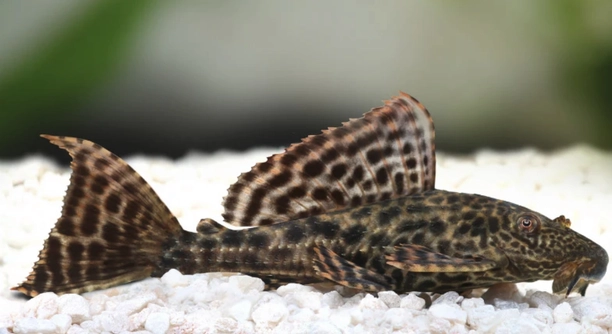
Tap water is a common source of hydration for many aquarium fish, but it’s important to know whether it’s suitable for your Plecostomus. Understanding how different water conditions impact these fish is key to ensuring their health.
Tap water can be used for Plecostomus, but it may require conditioning. This is because tap water often contains chlorine, chloramine, and varying mineral levels, which may not be ideal for aquatic life. Proper treatment is essential for their well-being.
There are simple steps you can take to make tap water safer for your Plecostomus. We will discuss the factors to consider and how to improve the water quality for a happy, healthy fish.
What’s in Your Tap Water?
Tap water is not always the ideal choice for your Plecostomus due to the various chemicals that can be present. Chlorine and chloramine are common in municipal water supplies, which can be harmful to fish. These chemicals are used to disinfect the water, but they can damage the sensitive gills of your Plecostomus and make it difficult for them to breathe properly. Additionally, tap water can contain heavy metals or high mineral content, depending on where you live. These elements might not be harmful in small amounts but could cause problems over time.
To keep your Plecostomus healthy, it’s essential to test the water quality. Using a water testing kit will give you a clear idea of the pH, hardness, and presence of chemicals like chlorine or chloramine. If your tap water is too harsh, using a water conditioner can neutralize these harmful substances.
Testing your water ensures you’re providing a safe environment. Regularly check your water’s quality and adjust as needed. Even small changes can make a significant difference in the health of your Plecostomus.
The Importance of Water Conditioners
Water conditioners help to remove harmful chemicals like chlorine and chloramine from tap water, making it safer for your Plecostomus. These products are easy to use and should be added to the water before introducing your fish.
While water conditioners make tap water more suitable for your Plecostomus, they don’t address every potential issue. Tap water may still have imbalanced mineral content or other undesirable properties. This is where you can further improve your fish’s environment by adding specialized treatments like remineralizing solutions if needed. Remineralizers help to ensure your Plecostomus has the right minerals, which contribute to overall fish health and help prevent stress. Additionally, some conditioners can even neutralize heavy metals that may be lurking in your tap water.
It’s also important to remember that each Plecostomus species may have different water quality needs. Plecostomus are generally resilient fish, but they will thrive in water that matches their ideal conditions. So, if you’re uncertain about the local water quality, it’s worth investing in both a water testing kit and a quality water conditioner. Your Plecostomus will thank you with improved health and behavior!
The Role of pH in Tap Water
The pH level of tap water can vary, and it plays a big role in the health of your Plecostomus. These fish thrive in a neutral to slightly acidic range, typically between 6.5 and 7.5. If your tap water falls outside this range, adjustments might be needed to keep your fish comfortable.
If the pH is too high or too low, it can stress your Plecostomus, affecting its immune system and behavior. You can adjust the pH by using pH stabilizers or by adding natural elements like driftwood, which lowers pH naturally. Regular testing of the pH is important, especially if you notice your fish acting stressed. If the pH is consistently off, consider using a filtration system that helps maintain a stable environment.
Making adjustments to the pH of your tap water doesn’t need to be difficult. Simple solutions like water conditioners or adjusting the tank’s decor can create a better environment for your Plecostomus. Testing regularly will help ensure their long-term health.
Water Temperature Considerations
Temperature is a crucial factor when it comes to Plecostomus care. Tap water temperature can fluctuate, and sudden changes can be harmful. Plecostomus prefer a stable temperature of around 74 to 80°F (23 to 27°C). If your tap water is too cold or too hot, it can lead to stress or illness.
Using a reliable aquarium heater will help keep the water temperature steady. Monitoring the temperature with an aquarium thermometer is just as important. If the temperature drops below the ideal range, the fish can become sluggish and may not eat properly. On the other hand, water that’s too warm can reduce oxygen levels and harm your Plecostomus.
Make sure to make gradual adjustments to the temperature if needed. Sudden shifts can be very stressful for your fish. Consistent water temperature is key to keeping your Plecostomus healthy and active, so avoid drastic temperature changes.
Chlorine and Chloramine Removal
Chlorine and chloramine are common in tap water, both of which are harmful to fish. Chlorine evaporates over time, but chloramine is more stable and requires special treatment. Removing these chemicals is essential to protect your Plecostomus from potential damage.
To remove chlorine, you can let the water sit for 24-48 hours before adding it to your tank. However, chloramine is more complex and requires a water conditioner designed to neutralize it. Make sure the conditioner is safe for fish, as some treatments can harm your Plecostomus if used incorrectly.
Investing in a good water conditioner is one of the easiest ways to ensure your tap water is safe. Regularly adding it will help protect your fish and keep your tank water in good condition.
Heavy Metal Concerns
Heavy metals like copper, lead, and zinc can be found in tap water, often in small amounts. These metals are toxic to Plecostomus, leading to severe health problems if present in high concentrations. Using a water conditioner that removes heavy metals is highly recommended.
Regular water testing will help you detect the presence of these metals. If the levels are high, consider using a specialized filter designed to remove heavy metals. Adding activated carbon to your filtration system can also help reduce their presence in your tank, ensuring your Plecostomus remains safe.
Filtration Systems
A reliable filtration system plays a big role in maintaining water quality for your Plecostomus. A good filter helps to remove excess nutrients, waste, and harmful chemicals. It keeps the water clean and stable, providing a healthy environment for your fish.
Choose a filter with the appropriate capacity for your tank size. Make sure it’s efficient enough to handle the water volume and provides good mechanical, chemical, and biological filtration. A quality filter not only maintains the water’s clarity but also prevents the buildup of harmful substances that could harm your Plecostomus.
FAQ
Can I use straight tap water for my Plecostomus?
Using tap water for your Plecostomus is possible, but it’s important to treat it first. Tap water may contain harmful chemicals like chlorine or chloramine, which can harm your fish. Always test the water for these chemicals and use a water conditioner designed to neutralize them. It’s also a good idea to check the pH and hardness of the water to ensure it’s within the ideal range for your Plecostomus. By conditioning the water properly, you can create a safer environment for your fish.
How can I remove chlorine and chloramine from tap water?
To remove chlorine, simply let the water sit out for 24-48 hours, as chlorine will evaporate over time. However, chloramine doesn’t evaporate and needs to be neutralized with a water conditioner. Many conditioners are specifically formulated to break down chloramine and chlorine, making the water safe for your Plecostomus. Always read the label to ensure the conditioner is safe for fish, and follow the recommended dosage.
Is tap water safe for Plecostomus if it has a high pH?
Tap water with a high pH can cause stress for your Plecostomus. These fish typically prefer a slightly acidic to neutral pH, around 6.5-7.5. If your tap water is too alkaline, you may need to adjust it. You can use a pH-lowering solution or add natural materials like driftwood, which naturally lowers pH. Regular water testing is necessary to keep the pH stable and prevent harm to your Plecostomus.
What is the best temperature for Plecostomus in tap water?
Plecostomus prefer a temperature range of 74-80°F (23-27°C). Tap water can sometimes be too cold or too warm, so it’s important to monitor the temperature closely. A reliable aquarium heater is a great investment to maintain a steady temperature. Sudden changes in temperature can stress your Plecostomus, so gradual adjustments are recommended.
Can I use tap water for a new aquarium with Plecostomus?
Yes, you can use tap water for a new aquarium, but it’s important to treat it properly before adding your Plecostomus. First, condition the water to remove harmful chemicals like chlorine and chloramine. Test the pH and hardness, and adjust if needed. Additionally, allow the aquarium to establish a proper nitrogen cycle before introducing your Plecostomus. This ensures the water quality is stable and safe for your fish.
Should I worry about heavy metals in my tap water?
Heavy metals like copper, lead, and zinc can sometimes be present in tap water, and they are toxic to Plecostomus. These metals can accumulate over time, leading to serious health issues for your fish. You can use a water conditioner that specifically removes heavy metals, or add activated carbon to your filter to help reduce their presence. Regular water testing will help you monitor metal levels and keep your Plecostomus safe.
How often should I test my tap water for Plecostomus?
Testing your tap water regularly is essential, especially if you are using it for your Plecostomus. It’s a good idea to test the water before each water change and when you notice any unusual behavior in your fish. Regular testing helps ensure that the water conditions, including pH, hardness, and the presence of chemicals, remain stable. Consistency is key in maintaining a healthy environment for your Plecostomus.
Can I use a water filter for my tap water?
Using a water filter is a good way to improve tap water quality for your Plecostomus. Filters can help remove chlorine, chloramine, and heavy metals, depending on the type. A high-quality filter will also help maintain water clarity by removing waste and toxins. Ensure the filter you use is suitable for the size of your tank and provides both mechanical and chemical filtration.
Is it safe to use tap water for a Plecostomus tank long-term?
Yes, it is safe to use tap water for a Plecostomus tank long-term, as long as the water is properly conditioned. Over time, you may need to adjust your water treatment routine to account for changes in your local water supply. Regular water testing and filtration will ensure the conditions remain optimal for your Plecostomus, preventing stress or health issues.
What’s the best way to acclimate a Plecostomus to tap water?
When introducing a Plecostomus to a tank with tap water, the best approach is to acclimate the fish gradually. Start by floating the bag with your Plecostomus in the tank for 15-20 minutes to equalize the temperature. Then, slowly mix small amounts of tank water into the bag, giving the fish time to adjust. This process reduces the shock from any differences in water chemistry.
Can Plecostomus live in hard tap water?
Plecostomus can tolerate hard water, but it’s important to test the hardness of your tap water to ensure it’s within acceptable levels for your species. Some Plecostomus are more tolerant of hard water than others, but consistently high hardness can lead to stress. If your water is too hard, you may need to use a water softener or choose a species that is more suited to hard water. Regular testing and adjustments are key to keeping your fish healthy.
What type of water conditioner is best for Plecostomus?
The best water conditioner for your Plecostomus is one that removes chlorine, chloramine, and neutralizes heavy metals. Look for a product that is safe for all fish and does not contain harmful chemicals. Some conditioners also provide beneficial electrolytes, helping to improve your fish’s overall health. It’s important to follow the instructions carefully to avoid overuse or underuse of the conditioner.
Final Thoughts
Using tap water for your Plecostomus can be a convenient option, but it requires careful preparation. Tap water often contains chemicals like chlorine and chloramine, which are harmful to fish. These substances need to be neutralized before your Plecostomus can safely live in the tank. Water conditioners are essential for removing these chemicals and making the water safe. Additionally, it’s important to monitor the pH and hardness of the water. Plecostomus generally prefer a neutral to slightly acidic environment, and extreme levels of pH or hardness can lead to stress and health issues.
Aside from chemical concerns, temperature also plays a significant role in maintaining a healthy environment for your Plecostomus. The water should stay within a temperature range of 74-80°F (23-27°C). Fluctuations in temperature can cause stress and may weaken your fish’s immune system. Using a reliable heater and thermometer will help maintain the right temperature for your Plecostomus. It’s also important to ensure that the water remains stable, as sudden changes in conditions can be harmful. Regularly testing the water and adjusting the temperature as needed will help keep your fish happy and healthy.
In conclusion, while tap water can be used for your Plecostomus, it’s crucial to treat it properly. This includes removing harmful chemicals, adjusting the pH and hardness, and maintaining a stable temperature. With the right precautions and regular maintenance, your Plecostomus can thrive in tap water. Always test the water, use appropriate conditioners, and make adjustments as necessary to create the best possible environment for your fish. By following these guidelines, you’ll provide a safe and comfortable habitat for your Plecostomus, ensuring they live a long and healthy life.

Hello,
If you enjoy the content that we create, please consider saying a "Thank You!" by leaving a tip.
Every little bit helps us continue crafting quality advice that supports the health, happiness, and well-being of pets around the world, for pets of all shapes, sizes, and species.
We really appreciate the kindness and support that you show us!