
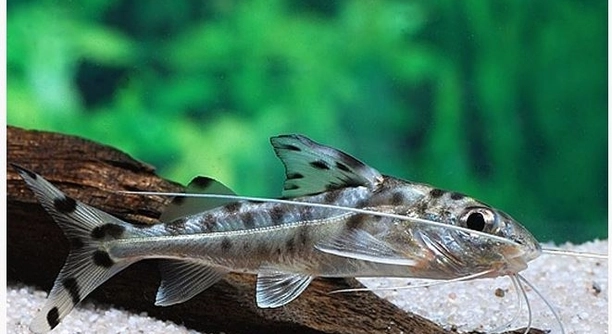
Many fish owners enjoy keeping Pictus Catfish because of their lively behavior and unique appearance. These freshwater fish are popular in home aquariums. Proper care, including suitable water conditions, is essential for their health and wellbeing.
Tap water can be used for Pictus Catfish if it is treated to remove chlorine and other harmful chemicals. Untreated tap water may contain substances toxic to fish, so using a water conditioner is necessary to ensure a safe environment.
Learning how to properly prepare tap water can make a big difference in your catfish’s health. Understanding water treatment will help you maintain a happy and thriving aquarium.
Why Tap Water Needs Treatment for Pictus Catfish
Tap water is usually treated with chemicals like chlorine or chloramine to make it safe for human use. Unfortunately, these chemicals can harm Pictus Catfish because they affect the fish’s gills and overall health. Even if tap water looks clean, it may contain minerals or heavy metals that are not ideal for aquarium life. Using untreated tap water can cause stress or illness in your catfish over time. To keep your fish healthy, it is important to treat tap water before adding it to the tank. This treatment usually involves using a water conditioner, which neutralizes harmful chemicals and makes the water safe. Testing the water’s pH and hardness levels can also help ensure the environment is suitable for your Pictus Catfish. Regular water changes with properly treated tap water support the fish’s natural behavior and improve tank cleanliness.
Water treatment products are affordable and easy to use, making them a practical solution for safe fish care.
Understanding the importance of water treatment helps you avoid common problems like poor fish health or unwanted tank algae. When you prepare tap water correctly, your Pictus Catfish will thrive, showing brighter colors and more active behavior. Keeping consistent water quality is a key part of responsible fish keeping. Regularly checking water parameters with simple test kits can help catch any issues early. By investing a little time in water preparation, you ensure a healthy and comfortable home for your catfish. This small step protects your pet and supports a balanced aquarium environment.
Alternatives to Tap Water for Your Aquarium
Some fishkeepers prefer to use filtered or bottled water instead of tap water. Filtered water removes impurities and chemicals that tap water may still contain. Bottled water often has consistent mineral content, which can be better suited for sensitive fish species. However, using these alternatives can be more expensive and less convenient than tap water. It’s important to check the water’s parameters before adding it to your tank.
If tap water quality is poor in your area, using filtered or bottled water is a good option to keep your Pictus Catfish healthy. Investing in a reliable water filter can improve water quality by removing chlorine, chloramine, heavy metals, and other contaminants. Carbon filters or reverse osmosis systems are common choices for aquarists. These systems help maintain stable water conditions and reduce the need for frequent water treatment chemicals. If you use bottled water, make sure it does not contain additives like fluoride or salts that may harm your fish. Always test water before use to ensure it matches the needs of your aquarium inhabitants. These alternatives provide safer, more predictable water quality but require attention to detail for the best results.
How to Safely Prepare Tap Water
Using a water conditioner is the easiest way to make tap water safe for Pictus Catfish. These products neutralize chlorine and chloramine quickly.
Water conditioners work by breaking down harmful chemicals, allowing you to add tap water directly to your tank after treatment. Some conditioners also detoxify heavy metals that can stress your fish. It’s important to follow the product instructions carefully to ensure the right amount is used. Overdosing can sometimes cause water quality issues, while underdosing leaves harmful chemicals in the water. After treatment, let the water sit for a few minutes before adding it to your aquarium. This step helps the conditioner fully work and stabilizes the water temperature. Regular use of conditioners during water changes will keep your Pictus Catfish healthy and comfortable.
In addition to chemical treatment, testing water parameters like pH, ammonia, and nitrites is crucial. These tests help ensure the water is balanced and safe. Keeping a stable environment reduces stress and supports the fish’s immune system.
The Importance of Regular Water Changes
Regular water changes are essential to maintain good water quality for Pictus Catfish. Changing 20-30% of the tank water weekly helps remove waste and toxins.
Fresh water replenishes minerals and reduces harmful compounds that build up over time. Neglecting water changes can lead to poor fish health and algae growth. Consistent water changes prevent sudden changes in water chemistry, which can shock your fish. They also help keep the aquarium clean and clear. Use treated tap water during these changes to avoid introducing harmful chemicals. Monitoring water quality and performing scheduled water changes create a healthier and more stable environment. This simple routine supports your catfish’s long-term well-being and reduces the risk of disease.
Monitoring Water Parameters
Regularly checking water parameters like pH, ammonia, nitrite, and nitrate is key for a healthy aquarium. These levels directly affect Pictus Catfish well-being.
Using simple test kits helps you catch problems early and adjust water conditions before fish get stressed or sick.
Ideal Water Conditions for Pictus Catfish
Pictus Catfish thrive in slightly acidic to neutral water with a pH between 6.5 and 7.5. The temperature should be maintained between 72°F and 79°F (22°C to 26°C). These fish prefer soft to moderately hard water. Stable conditions support their activity and reduce health risks. Rapid changes in water chemistry or temperature can cause stress, leading to illness. Keeping the tank clean and monitoring parameters regularly creates a safe habitat. This balance allows your catfish to live comfortably and display their best colors.
Signs of Water-Related Stress
Can you use tap water directly for Pictus Catfish?
No, tap water should not be used directly without treatment. It often contains chlorine or chloramine, which are harmful to fish. These chemicals damage the fish’s gills and can cause stress or even death. Using a water conditioner to remove these chemicals is necessary before adding tap water to your aquarium.
How do I treat tap water for my Pictus Catfish?
To treat tap water, use a water conditioner designed to neutralize chlorine and chloramine. Simply add the conditioner to the water according to the instructions on the bottle. Wait a few minutes to allow the chemicals to neutralize before adding the water to the tank. Testing water parameters after treatment can help ensure safety.
Is filtered or bottled water better than tap water?
Filtered or bottled water can be safer if your tap water quality is poor. Filters like carbon or reverse osmosis systems remove contaminants that tap water treatments might miss. However, bottled water can be costly and may contain minerals or additives unsuitable for fish. Always test water before use.
How often should I change the water in my Pictus Catfish tank?
It is recommended to change 20-30% of the tank water weekly. Regular water changes help remove waste, toxins, and excess nutrients. This keeps the environment stable and reduces the risk of illness. Always treat replacement water to remove harmful chemicals.
What water parameters are best for Pictus Catfish?
Pictus Catfish thrive in water with a pH between 6.5 and 7.5, temperatures of 72°F to 79°F (22°C to 26°C), and soft to moderately hard water. Stable water conditions reduce stress and support their health. Sudden changes in water chemistry should be avoided.
What are signs of poor water quality in my tank?
Signs include lethargy, loss of appetite, rapid gill movement, faded colors, and unusual swimming behavior. Cloudy water or excess algae can also indicate poor water conditions. Testing the water and performing a partial water change can help resolve these issues.
Can I use tap water conditioners with other types of fish?
Yes, most water conditioners designed to remove chlorine and chloramine are safe for a variety of freshwater fish species. Always check the product label for compatibility and dosage instructions. Different fish may have specific water needs, so adjust care accordingly.
Is it safe to add treated tap water directly to the aquarium?
Once treated with a water conditioner, tap water can be added directly to the aquarium. It’s best to ensure the water temperature matches the tank’s to avoid shocking your fish. Adding water slowly helps maintain stable conditions.
Can untreated tap water kill Pictus Catfish?
Yes, untreated tap water can be fatal. Chemicals like chlorine and chloramine damage fish gills, causing difficulty breathing and stress. Even small amounts of untreated water can harm sensitive species like Pictus Catfish over time.
Do water conditioners remove all harmful substances?
Water conditioners neutralize chlorine and chloramine but may not remove heavy metals or other contaminants. Some conditioners also detoxify heavy metals, but it depends on the product. Using a water filter alongside conditioners provides the best protection.
How do I know if my tap water is safe for fish?
Testing the tap water with aquarium test kits for chlorine, chloramine, pH, and hardness is the best way to know. Contacting your local water provider for a water report can also give useful information. Treating water regardless of test results is a safe practice.
Can I use tap water for breeding Pictus Catfish?
Breeding requires very stable and clean water conditions. Tap water can be used if properly treated and monitored. Some breeders prefer soft, slightly acidic water, so adjusting tap water parameters might be necessary. Testing is important for successful breeding.
What happens if I overdose water conditioner?
Overdosing water conditioner may cause cloudy water or stress in fish, but most conditioners have a wide safety margin. It’s important to follow instructions carefully. If an overdose happens, performing a partial water change can help dilute excess conditioner.
Is temperature important when adding tap water?
Yes, matching the temperature of replacement water to the tank water prevents shock. Sudden temperature changes can stress fish and make them vulnerable to disease. Use a thermometer and adjust water temperature before adding it to the aquarium.
Are there natural alternatives to chemical water conditioners?
Some people use natural materials like activated carbon or peat moss to improve water quality. These can help remove impurities but do not neutralize chlorine or chloramine. For safety, using a chemical water conditioner is recommended in most cases.
How long can Pictus Catfish survive in untreated tap water?
Survival time varies but is generally short. Exposure to untreated tap water quickly causes stress and respiratory issues. Long-term exposure is usually fatal. Treating water properly is the best way to ensure your catfish live a healthy life.
Using tap water for your Pictus Catfish is possible, but it requires some care and attention. Tap water usually contains chemicals like chlorine or chloramine, which are added to keep it safe for people but can be harmful to fish. These chemicals can damage the catfish’s gills and cause stress or illness. Because of this, it is important to treat tap water before adding it to your aquarium. Using a water conditioner designed to neutralize these chemicals is a simple and effective way to make tap water safe. This small step helps create a healthy environment where your Pictus Catfish can thrive.
Besides treating the water, it is also important to keep an eye on water quality regularly. Testing the water for pH, ammonia, nitrite, and nitrate levels can help catch problems early. Maintaining a stable pH between 6.5 and 7.5 and keeping the temperature between 72°F and 79°F supports the fish’s well-being. Regular water changes, usually about 20-30% weekly, remove waste and toxins from the tank. When replacing water, always treat the new water first and try to match its temperature to the tank. These habits help avoid sudden changes in water chemistry, which can stress the fish and lead to illness.
Finally, caring for Pictus Catfish means understanding their needs and creating the right environment. Using properly treated tap water is a convenient and cost-effective choice for most aquarists. However, if your tap water quality is very poor, considering filtered or bottled water might be beneficial. Regular monitoring and maintenance will make a big difference in your fish’s health and happiness. Taking these steps ensures your Pictus Catfish live comfortably and display their lively behavior and beautiful markings for years to come.

Hello,
If you enjoy the content that we create, please consider saying a "Thank You!" by leaving a tip.
Every little bit helps us continue crafting quality advice that supports the health, happiness, and well-being of pets around the world, for pets of all shapes, sizes, and species.
We really appreciate the kindness and support that you show us!