
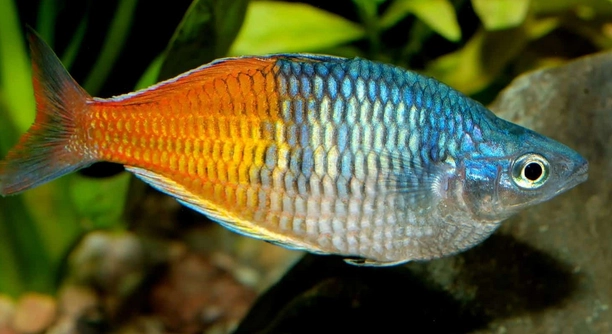
Maintaining a healthy and vibrant rainbow fish tank requires understanding various factors, from water quality to tank decorations. Choosing the right substrate is essential for both the fish’s health and the tank’s aesthetic.
Sand can be used in a rainbow fish tank, but it is important to choose a type of sand that is suitable for aquatic life. Some sand may contain sharp particles that could harm fish, so a fine, smooth grain is recommended.
Understanding the types of sand that are safe for your fish will help you make the best decision for your tank’s environment. Keep reading to learn more about the best sand options for your rainbow fish and their tank setup.
Types of Sand Suitable for Rainbow Fish Tanks
When choosing sand for your rainbow fish tank, it’s essential to look for fine, smooth grains. Coarse or jagged sand can harm your fish’s delicate fins or irritate their skin. Opt for aquarium-specific sand, as it’s designed to be safe for aquatic life. Silica sand is a common option that works well, as it doesn’t contain harmful chemicals or sharp edges. Avoid sands with added dyes, as they might release toxins into the water, potentially stressing your fish.
It’s also important to ensure the sand is free of contaminants. Rinse it thoroughly before adding it to the tank to remove any dust or unwanted particles. This helps maintain water clarity and prevents cloudy water.
Lastly, some sand, like live sand, is enriched with beneficial bacteria. While it’s not always necessary, it can be a good choice for those who want to establish a natural biological filter. Just make sure it’s compatible with the needs of rainbow fish.
Advantages of Using Sand
Sand has several advantages for a rainbow fish tank. It allows beneficial bacteria to grow, which helps keep the tank’s ecosystem stable.
It’s also less likely to trap debris compared to gravel. With the right sand, you can maintain a clean tank without frequent disruptions. Rainbow fish, which naturally inhabit the substrate, will benefit from the smooth texture. They enjoy sifting through it for food, mimicking their behavior in the wild.
How Sand Affects Tank Maintenance
While sand offers benefits, it can present some maintenance challenges. Because it’s finer than gravel, debris tends to settle on top. Without a proper cleaning routine, it can lead to waste buildup, which may affect water quality.
To maintain a healthy tank, regularly vacuum the sand to remove detritus. This prevents the accumulation of harmful organic matter that could cause water problems. Be gentle while cleaning to avoid disturbing the sand too much. Over time, sand can compact, reducing oxygen flow in the substrate. Stirring it periodically will help maintain the right balance.
For tanks with live plants, sand can be trickier. Make sure the sand is deep enough for plant roots, or consider adding a layer of nutrient-rich substrate underneath to support plant growth.
Can Sand Harm Your Fish?
Not all sand is safe for your fish. As mentioned earlier, sharp sand grains can hurt their delicate fins.
The wrong type of sand can also alter water parameters. For example, some sands, like limestone-based types, may raise water hardness or pH, which could stress your rainbow fish. To avoid such issues, make sure to choose neutral, fine sand specifically made for aquariums. Testing the water after adding sand is a good way to ensure your tank stays within safe parameters for your fish.
Sand vs. Gravel for Rainbow Fish Tanks
Gravel is another common substrate for fish tanks, but it has some differences compared to sand. It’s typically coarser and can create more space between particles, allowing debris to settle in the gaps. This can be an advantage if you’re using a strong filtration system that helps remove waste.
However, sand tends to be easier to clean since it doesn’t have these gaps. The surface of sand doesn’t allow much debris to sit on it for long, making it simpler to keep the tank cleaner. This can reduce the frequency of tank maintenance.
Gravel, though, can support plant roots better than sand, and it allows for better water flow within the substrate. It’s also available in a variety of colors and textures, which may appeal to some aquarium owners. But if you want to avoid the hassle of cleaning and have a smoother surface for your fish to interact with, sand may be a better choice.
How to Choose the Right Sand for Your Tank
The best sand for your rainbow fish tank should be smooth, fine, and neutral. Look for sands labeled as “aquarium safe” to avoid harmful chemicals. Silica sand is a popular option, but you can also find other types, like aragonite or pool filter sand.
Before buying, consider the tank’s size. Larger tanks may require more sand, and you’ll want to make sure you’re getting enough to cover the substrate evenly. It’s important to rinse the sand thoroughly before adding it to your tank. Dust and debris in the sand can cause cloudiness and negatively affect water quality.
Additionally, pay attention to the grain size. Sand that’s too fine can compact easily, reducing oxygen flow to the beneficial bacteria. Sand that’s too coarse may be uncomfortable for the fish. Ideally, you want sand with a fine texture, but not powdery.
Preparing Sand for the Tank
Before placing sand in your rainbow fish tank, it’s crucial to rinse it thoroughly. Rinsing removes dust, dirt, and other particles that could cloud the water and affect water quality. This process is simple but necessary to keep your tank environment clean.
Use a fine mesh sieve or a bucket to wash the sand under running water. Stir the sand to ensure all particles are rinsed properly. Continue until the water runs clear. Once clean, you can safely add the sand to the tank without worrying about causing any cloudiness or water imbalance.
Adding Sand to the Tank
When adding sand to your tank, go slowly and gently. Pour the sand in evenly to avoid disturbing the water too much. If possible, use a plate or flat surface to distribute the sand without it being thrown around.
After the sand is added, the water might look cloudy for a few hours. This is normal, as tiny particles may still be suspended in the water. A good filtration system can help clear it up quickly.
FAQ
Can I use any type of sand in my rainbow fish tank?
Not all sand is safe for a fish tank. It’s important to choose sand that is aquarium-safe, meaning it’s free from harmful chemicals or sharp edges. Silica sand is a common choice, but pool filter sand or aragonite can also work if they are fine-grained and safe for aquatic life. Avoid sand from outdoor sources unless you’re certain it’s cleaned and free of contaminants.
Is live sand necessary for a rainbow fish tank?
Live sand is not necessary for rainbow fish, but it can be beneficial in some cases. Live sand contains beneficial bacteria that can help maintain a stable tank environment by breaking down waste. However, most rainbow fish owners use regular fine sand without live bacteria, as long as the tank is properly maintained.
How deep should the sand be in a rainbow fish tank?
The ideal depth for sand in your tank is about 1 to 2 inches. This is enough to allow beneficial bacteria to colonize and for fish to sift through the substrate. Any deeper than that, and you risk compacting the sand, which can decrease oxygen flow and cause water quality issues.
Can rainbow fish harm themselves on sharp sand?
Rainbow fish can get injured on sharp sand. Their delicate fins can tear on jagged grains, leading to stress or infections. To prevent this, always choose fine, smooth sand for your tank. Be sure to test it before adding it to ensure there are no sharp edges that could harm your fish.
Do I need to replace the sand regularly?
You don’t need to replace the sand in your tank regularly, but it’s a good idea to rinse it occasionally. Over time, sand can compact, reducing oxygen flow and making it harder to clean. Periodically stirring the sand can help maintain a healthy environment. If you notice significant buildup of waste or organic matter, it may be time to replace part of the sand.
How do I clean the sand in my tank?
Cleaning sand in your tank can be done using a siphon vacuum. Gently move the vacuum along the surface of the sand to suck up debris without disturbing the substrate too much. Avoid deep stirring, as this can cause harmful bacteria to be released into the water. If necessary, you can use a fine mesh net to remove any debris that settles on the surface.
Can sand impact the water quality?
Yes, sand can affect the water quality, especially if it’s not properly cleaned or if it compacts over time. Compacted sand can trap waste and reduce the efficiency of filtration, leading to a buildup of toxins. To maintain good water quality, clean the sand regularly and ensure the filtration system is effective.
What type of sand works best for planted rainbow fish tanks?
For planted tanks, it’s essential to use sand that allows for adequate water flow to the plant roots. While some types of sand, like silica or aragonite, can work, many aquarists add a layer of nutrient-rich substrate beneath the sand to support plant growth. Look for sand that is smooth and doesn’t compact easily.
Can I mix sand with gravel in my tank?
You can mix sand with gravel, but you need to be cautious about the type of gravel you choose. If the gravel is too large or rough, it can create pockets where debris builds up. A mix of fine gravel and sand can create a more natural look while still maintaining good water flow. Be sure to clean both the sand and gravel properly before adding them to the tank.
How long will it take for the sand to settle after adding it to the tank?
After adding sand to the tank, it might take a few hours for the water to clear up completely. Small particles may cause temporary cloudiness, but a good filtration system will help clear the water faster. The sand itself should settle quickly, but it’s important to avoid disturbing it too much during the settling process.
Does the color of the sand matter for rainbow fish?
The color of the sand doesn’t directly affect the health of your rainbow fish, but it can influence the overall look of your tank. Lighter sand can create a brighter, more open appearance, while darker sand can help the colors of your fish pop. Choose a color that complements your aquarium’s design and makes the fish feel comfortable.
How can I avoid sand from clouding the water?
The most important step to avoid cloudiness is to rinse the sand thoroughly before adding it to the tank. Dust and particles left in the sand can cloud the water. Additionally, introducing the sand slowly and carefully can reduce the disturbance of the substrate and help prevent excess particles from floating in the water. Using a high-quality filter can also help clear up the water more quickly.
Will rainbow fish enjoy sand in their tank?
Rainbow fish naturally sift through substrates in the wild, so they generally enjoy sand in their tank. They may dig through the sand in search of food or simply explore the substrate. A smooth, fine layer of sand mimics their natural environment and helps keep them active and healthy.
Final Thoughts
Choosing the right substrate for your rainbow fish tank is an important decision, as it affects both the health of your fish and the overall appearance of your aquarium. Sand can be a great option, as long as you select the right type. Fine, smooth sand is ideal because it allows your fish to sift through it without risking injury. It also helps maintain a cleaner tank by preventing debris from accumulating in the gaps, unlike gravel. However, it’s crucial to rinse the sand thoroughly before adding it to your tank to avoid clouding the water.
While sand is a good choice, it’s not the only option. Gravel has its advantages, like providing more space for plant roots to grow and creating more water flow. However, gravel can also trap debris, which means more frequent cleaning is needed. Sand is generally easier to clean, but it can compact over time, which may reduce oxygen flow. This can lead to harmful buildup in the tank, so it’s important to stir the sand occasionally to keep it from compacting too much. Regular cleaning and maintenance are key to keeping the tank environment healthy.
Ultimately, the decision between sand and gravel comes down to your specific needs and preferences. If you prefer a natural-looking substrate that’s easy to clean and maintain, sand is a great option. It’s important to choose sand that’s specifically designed for aquarium use to ensure it’s safe for your fish. Consider factors like the size of your tank, the types of plants you have, and how much maintenance you’re willing to do when deciding. A little care and attention will help create a beautiful and healthy environment for your rainbow fish.

Hello,
If you enjoy the content that we create, please consider saying a "Thank You!" by leaving a tip.
Every little bit helps us continue crafting quality advice that supports the health, happiness, and well-being of pets around the world, for pets of all shapes, sizes, and species.
We really appreciate the kindness and support that you show us!