
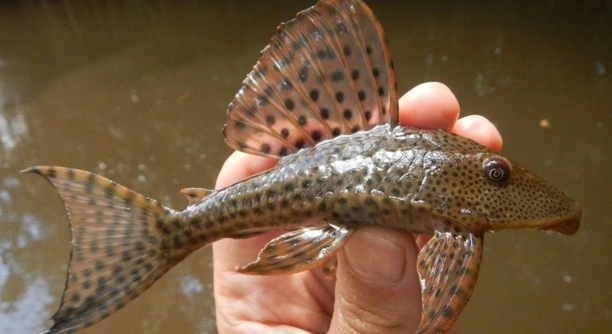
Have you ever set up a pleco tank and wondered if adding aquarium salt might help with health or water quality issues?
While plecos can tolerate low concentrations of salt for short periods, they are generally sensitive to salt exposure. Prolonged or high doses can lead to stress or harm, making routine use of salt inadvisable for pleco tanks.
Salt use in freshwater aquariums requires care, especially with species that react poorly to changes in their environment.
How Salt Affects Plecos in a Freshwater Tank
Plecos are freshwater fish that generally do not thrive in salted environments. Their skin and gills can be sensitive to elevated salinity, especially when used in routine tank maintenance. While some aquarists add aquarium salt to reduce stress or prevent disease in fish, plecos do not benefit from this the same way other species might. Occasional, low-dose salt treatments may be tolerated in specific situations like treating external parasites, but only if used carefully and for a limited time. Otherwise, the constant presence of salt can lead to osmotic stress, impact breathing, and increase health risks. Salt also affects beneficial bacteria and tank plants, which plecos rely on for a stable habitat. If you need to treat a condition, consider alternatives more suited to scaleless or soft-skinned fish like plecos. Always research or consult before using any treatments that might disrupt their sensitive biology.
Salt can interfere with pleco health, weaken their immunity, and disrupt their comfort in the tank over time.
It’s important to monitor how your pleco behaves after any changes to the tank. Signs like hiding more than usual, changes in appetite, or breathing irregularities may be linked to salt exposure. Watch closely and act promptly.
Safer Alternatives to Using Salt
Avoiding salt doesn’t mean skipping preventive care. Clean water and a stable tank environment are much more effective long-term.
Instead of using salt, prioritize good tank hygiene and stable parameters. Plecos benefit most from regular water changes, low nitrate levels, and a properly cycled aquarium. Use a reliable filter system to keep debris and waste in check. Clean the substrate gently and avoid sharp swings in temperature or pH, which plecos find stressful. If dealing with disease, opt for medications labeled safe for scaleless fish, and always follow dosing guidelines carefully. Feeding high-quality sinking foods designed for plecos also supports immune function and overall strength. Natural tank additions like Indian almond leaves can offer mild antibacterial benefits without harming water chemistry. Keeping tank mates peaceful and compatible reduces the chance of injury or stress. Making these adjustments creates a healthier tank without needing salt. In most cases, a consistent, clean setup is more effective than additives when caring for sensitive species like plecos.
Signs of Salt Stress in Plecos
Salt stress in plecos can show up through physical and behavioral changes. You might notice them breathing rapidly, hiding more often, or showing signs of skin irritation. These symptoms usually appear shortly after salt is added to the tank.
Plecos under salt stress may become less active and avoid food. Their slime coat can appear patchy or cloudy, and their fins may look clamped or frayed. If the gills turn pale or reddish, that may be a sign of irritation or oxygen difficulty. These symptoms can worsen if salt remains in the water too long. Plecos might also start scraping themselves against surfaces, trying to relieve discomfort. These actions are signs the environment is no longer comfortable or safe. Removing salt with gradual water changes often helps, but the key is noticing symptoms early. Long-term stress can lead to a weakened immune system or even organ damage.
Consistent observation is essential after introducing any new additive. If a pleco shows stress within hours of a salt dose, start a partial water change immediately. Avoid repeating the treatment until the pleco returns to normal behavior. Reacting quickly reduces the risk of long-term health effects and helps maintain a stable tank environment.
When Salt Might Be Necessary
Salt may be used in specific cases like treating external parasites or minor skin injuries, but only if the pleco is monitored closely. Short-term exposure to low concentrations may be tolerated when other safer treatments aren’t available.
If you decide to use salt, stick to aquarium salt rather than marine or table salt. Start with a low dose—no more than 1 tablespoon per 5 gallons—and dissolve it fully before adding it to the tank. Use a quarantine tank instead of the main setup when possible. This allows for easier monitoring and reduces stress on the fish’s usual environment. Keep the treatment short, usually no more than a few days. Watch for signs of discomfort or change in behavior. If the pleco shows distress, begin water changes right away to reduce salt levels. Salt should never be used as a routine supplement for plecos. Always treat the underlying issue instead of relying on repeated salt treatments. Proper filtration, nutrition, and stable water parameters will do more to support recovery.
How to Remove Salt from a Pleco Tank
Start with a partial water change, replacing 25–50% of the tank water. Use dechlorinated water that matches the tank’s temperature. Repeat daily until the salt concentration is lowered to safe levels for plecos.
Avoid removing all water at once. Gradual changes help prevent additional stress. Monitor pleco behavior during the process.
Preventing Future Salt Issues
Always double-check if salt is necessary before using it. Research each species in your tank to make sure all inhabitants can handle salt. Plecos usually do better without it, so finding safer alternatives is key. Stick to regular tank maintenance, feed a balanced diet, and address problems early. If you’re treating an illness, isolate the sick fish in a quarantine tank to avoid affecting the main environment. This approach protects your pleco from unnecessary stress while still allowing treatment when needed. Choosing products labeled safe for scaleless fish also helps avoid complications later.
Final Thoughts on Salt and Plecos
Plecos don’t need salt in their environment and often react poorly to it. Focus on stability and care rather than additives.
FAQ
Can I use salt to treat parasites in my pleco tank?
While salt can be used to treat external parasites in certain fish, plecos are particularly sensitive to salt. If you must use salt for treatment, do so in a quarantine tank and for a very short period, monitoring the fish carefully for any signs of distress. It’s best to use medication designed for scaleless fish if possible.
How much salt is safe for plecos?
Plecos are generally not tolerant of salt, so only a very small amount, if any, should be used. For treating external parasites or minor wounds, a concentration of 1 tablespoon of aquarium salt per 5 gallons of water is often recommended. However, the use of salt should be a last resort, and the pleco should be closely observed during treatment. The tank should be thoroughly monitored, and salt levels should be reduced quickly if signs of stress appear.
What are the signs that my pleco is stressed from salt?
Plecos stressed by salt may show several signs, including hiding more than usual, rapid breathing, loss of appetite, clamped fins, and skin irritation. If the pleco begins scraping itself against tank surfaces or shows visible damage to its slime coat, these could be indicators of salt stress. These signs suggest that the pleco is not tolerating the salt, and immediate action should be taken.
Should I add salt for general pleco health maintenance?
Salt should not be added to a pleco tank for general health maintenance. Plecos do not need salt in their environment, and it can harm them over time. The best way to keep plecos healthy is through proper tank maintenance, including regular water changes, maintaining stable water parameters, and providing a balanced diet. Salt should only be used when treating specific health issues under careful supervision.
Can I use salt in a tank with multiple fish species, including plecos?
It’s not recommended to use salt in a tank with plecos if other fish species that can’t tolerate salt are present. Salt can affect different species differently, and some may tolerate it better than others. For example, scaleless fish like plecos can suffer from osmotic stress, while other fish might handle salt more easily. It’s better to treat sick fish in a separate quarantine tank to avoid harming healthy ones and causing stress in the main aquarium.
What should I do if I accidentally add too much salt to my pleco tank?
If too much salt has been added to your pleco tank, act quickly to reduce it. Perform a large water change (about 50%) using dechlorinated water that matches the tank’s temperature. You may need to repeat the process over a few days to safely remove the excess salt. During this time, monitor your pleco for any signs of stress or discomfort. If symptoms worsen, consider consulting an aquarium professional for further advice.
Can I use salt for pleco tank plants?
Salt is harmful to most aquarium plants, including those in a pleco tank. Plants depend on the balance of minerals in the water, and salt can disrupt this delicate environment, causing damage or even killing the plants. If your tank contains live plants, avoid using salt unless absolutely necessary for a very specific treatment. Opt for other treatments designed for plant-safe environments.
How do I treat diseases in plecos without using salt?
There are several plant-safe and pleco-safe treatments for common diseases. For external parasites, consider medications designed specifically for scaleless fish. These treatments usually come in liquid or powder form and are much safer for plecos than salt. In addition to medications, maintaining excellent water quality, ensuring the correct temperature, and providing a stress-free environment will help your pleco recover from illness. Regular water changes, a proper filtration system, and isolation of sick fish are crucial for preventing the spread of disease.
Can salt kill plecos?
Yes, salt can kill plecos if used incorrectly or in high concentrations. Plecos are especially sensitive to salt due to their soft skin and slime coat, which is easily affected by salt exposure. Prolonged exposure to even low levels of salt can lead to stress, weakened immune systems, and potentially fatal health complications. It is crucial to avoid adding salt unless absolutely necessary and always monitor the pleco closely during any treatment.
What is the best way to maintain water quality in a pleco tank?
Maintaining water quality in a pleco tank is crucial for their health and longevity. Start by using a reliable filter that can handle the tank size and water volume. Regular water changes (about 25% every 1–2 weeks) help keep nitrate levels low and maintain good water conditions. Monitor the water’s pH, temperature, and ammonia/nitrite levels, ensuring they stay within safe ranges for plecos. Proper substrate cleaning, careful feeding to avoid excess waste, and maintaining stable water parameters are all important for a healthy pleco environment. Avoid using harsh chemicals or salt, as they can disrupt the delicate balance of the tank.
How can I treat wounds or injuries on my pleco without salt?
If your pleco has a wound or injury, avoid using salt. Instead, consider using a fish-safe antibacterial treatment, available in most aquarium stores. You can also increase the oxygen levels in the tank to promote faster healing, as plecos benefit from clean, oxygenated water. If the injury is severe, consider isolating the pleco in a hospital or quarantine tank to prevent infection and reduce stress. Proper nutrition, including high-quality sinking pellets and occasional vegetable matter, also supports the healing process.
Final Thoughts
Using salt in a pleco tank can cause harm to these sensitive fish. Plecos have delicate skin and a protective slime coat that is easily disrupted by salt. Even small amounts of salt can lead to stress, skin irritation, or respiratory issues. While salt might be helpful in certain treatments, it’s generally not recommended for plecos unless absolutely necessary. The safest way to keep your pleco healthy is by providing the right water conditions and avoiding additives like salt.
If you need to treat parasites or wounds in your pleco, there are alternatives to salt that are safer. Medications designed for scaleless fish can be used instead, and these are formulated to be gentle on their skin while still being effective. When using any treatment, it’s important to monitor the pleco closely for any signs of stress or adverse reactions. Remember that maintaining a stable environment with clean water and proper filtration will help prevent many health issues that could otherwise require treatments like salt.
Ultimately, the key to keeping your pleco healthy is prevention. Regular water changes, monitoring water quality, and providing a balanced diet are the best ways to ensure that your fish remains strong and free from disease. Salt should never be used as a routine addition to the tank. If you must use it for a specific health issue, always do so carefully and with full understanding of the risks. By prioritizing proper care and maintenance, your pleco can thrive in a salt-free environment.

Hello,
If you enjoy the content that we create, please consider saying a "Thank You!" by leaving a tip.
Every little bit helps us continue crafting quality advice that supports the health, happiness, and well-being of pets around the world, for pets of all shapes, sizes, and species.
We really appreciate the kindness and support that you show us!