
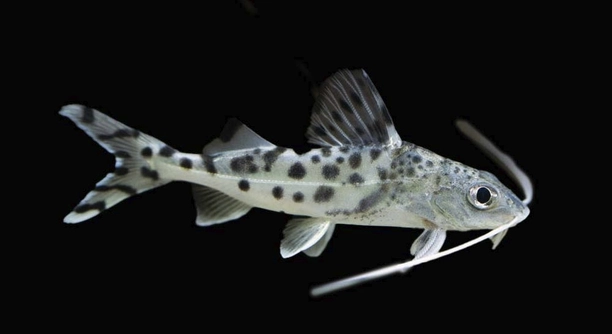
Do you ever find yourself wondering if it’s safe to decorate your Pictus Catfish tank with natural rocks and stones?
Rocks can be used in a Pictus Catfish tank as long as they are aquarium-safe, smooth-edged, and thoroughly cleaned. Sharp or unstable rocks may cause injuries or stress, so careful selection and placement are essential.
Different types of rocks can change the tank’s chemistry or affect your catfish’s safety, so understanding which ones work best is important.
Choosing the Right Rocks for Your Pictus Catfish Tank
Rocks can add structure and beauty to your aquarium, but not all rocks are safe for your Pictus Catfish. You’ll want to choose smooth, non-toxic stones that won’t alter the water chemistry. River rocks, slate, and lava rocks are popular choices because they’re inert and safe. Always avoid anything with sharp edges since Pictus Catfish are active swimmers and can easily injure themselves. Test the rocks beforehand by placing them in a bucket of water and checking the pH after a few days. If there’s any change, the rock might not be suitable. Rinse or scrub the rocks thoroughly before placing them in the tank to remove any dirt or residues. Avoid using rocks collected from unknown outdoor sources unless you’re absolutely sure they’re safe. Buying from a trusted aquarium store is the safest option. The right rocks won’t just improve the look of your tank—they’ll also create secure hiding spots.
Avoid limestone, coral, and shells.
A simple setup with clean, safe rocks will make your catfish feel more secure and comfortable in their environment.
Common Mistakes When Adding Rocks
Rushing the process can lead to problems.
Some rocks can increase the water’s hardness and pH, which isn’t ideal for Pictus Catfish. Always research the type of rock before using it. Another issue is placing rocks directly on the tank glass. When Pictus Catfish dig or swim quickly, they might dislodge the rocks, causing damage to the glass or themselves. To prevent this, consider placing a soft barrier under the rocks like an egg crate panel. Don’t overcrowd the tank with too many rocks either—this can restrict swimming space and make cleaning harder. Use aquarium-safe silicone if you want to secure stacked rocks, which prevents them from falling. Finally, always observe your catfish after making changes. If they seem stressed or injured, remove or rearrange the rocks immediately. The goal is to create a safe, natural-looking tank that supports your catfish’s active nature and keeps the water stable over time.
Cleaning and Preparing Rocks Properly
Rinse all rocks under hot water and scrub them with a brush to remove dirt and debris. Never use soap or chemicals, as residues can harm your fish. Boiling or baking rocks can help disinfect them safely.
Boiling rocks for 10–20 minutes is a reliable way to kill any lingering bacteria or parasites. For larger rocks that can’t be boiled, baking them in the oven at 200°F for about 30 minutes is another method. Just make sure they’re completely dry before baking to avoid cracking. Let the rocks cool completely before placing them in the tank. After cleaning, soak them in a bucket of dechlorinated water for a few hours to ensure no changes to pH or hardness occur. If the water remains stable, the rock is safe. This extra care prevents long-term issues and gives you peace of mind.
Preparing rocks properly avoids introducing harmful elements into your tank. It also ensures your Pictus Catfish won’t get injured or stressed. Dirty or sharp rocks can cause skin abrasions, infections, or behavioral issues. Some rocks may seem safe at first but can leach minerals into the water over time. Regular monitoring of your water parameters will help catch any changes. Proper cleaning sets a solid foundation for a stable tank.
Rock Placement Tips for Safety
Place heavier rocks directly on the tank bottom, not on the substrate, to keep them from shifting. Use a soft layer like an egg crate panel underneath to protect the glass and hold rocks securely in place.
Avoid stacking rocks unless they are stable and supported. Unsecured stacks can collapse if your Pictus Catfish digs or swims quickly. For added safety, use aquarium-safe silicone to hold stacked rocks together. Leave open swimming space and avoid blocking filter flow.
How Rocks Affect Water Chemistry
Some rocks slowly release minerals that can raise the tank’s pH and hardness. This isn’t ideal for Pictus Catfish, which prefer slightly acidic to neutral water. Use vinegar to test rocks—if it fizzes, the rock contains calcium and may alter water parameters. It’s best to stick with inert rocks like slate or river stones that don’t affect water chemistry. Even safe rocks should be monitored over time. Regularly test pH, hardness, and ammonia levels, especially after introducing new rocks. Watch your catfish for changes in behavior or signs of stress. Water stability is key to keeping them healthy and active.
Rocks That Should Be Avoided
Avoid coral, limestone, and shells, as they can raise water hardness. Sharp, rough, or flaky rocks like quartz or jagged lava should also be skipped to prevent injuries.
FAQ
Can Pictus Catfish get hurt by rocks?
Yes, Pictus Catfish can injure themselves on sharp or unstable rocks. Their active swimming and digging behavior puts them at risk if rocks have rough edges or are stacked loosely. Cuts, scrapes, and bruises are common when tank decor isn’t placed carefully. Smooth, rounded rocks are much safer and reduce the chance of physical harm. Always run your fingers over the rocks to feel for sharp spots before placing them in the tank. Injuries from rocks can lead to infections, so taking this step seriously helps avoid health problems later on.
Do rocks change the pH in the tank?
Some rocks can definitely change the water’s pH. Limestone, coral, and similar materials slowly release calcium, which raises pH and water hardness. This isn’t ideal for Pictus Catfish, who prefer softer, neutral water. You can test your rocks by placing a few drops of vinegar on them. If they fizz, the rock may not be safe. Stick with inert rocks like slate, river stones, or lava rock (only if it’s smooth) to avoid unexpected shifts in water chemistry. Even then, test your water regularly after adding anything new to make sure nothing is changing over time.
How do I secure rocks in a Pictus Catfish tank?
If you’re stacking rocks or building caves, use aquarium-safe silicone to glue them together. This helps keep them from shifting or falling when your catfish digs. Heavy rocks should go on the tank bottom, not the substrate, to avoid pressure points on the glass. Use a plastic egg crate panel or a layer of smooth plastic underneath to distribute weight evenly. Don’t rely on gravel or sand to support the rocks—it won’t hold them in place. Secure placement protects both the tank and your fish.
Can I use outdoor rocks I find myself?
It’s possible, but not always safe. Outdoor rocks can carry harmful bacteria, pollutants, or metals. You’ll need to clean them thoroughly and test them with vinegar to check for reactivity. If you aren’t sure what the rock is made of, it’s better to avoid using it. Some rocks may seem fine at first but leach harmful substances over time. Buying rocks from a pet store is safer, since they’re labeled for aquarium use. If you decide to use collected rocks, always boil or bake them carefully and observe your water parameters closely afterward.
What are the best types of rocks for Pictus Catfish?
The best options include smooth river rocks, slate, and safely prepared lava rocks. These are unlikely to alter water chemistry and don’t have sharp edges. River rocks are especially good because they’re smooth and come in many sizes. Slate is flat and easy to stack, making it great for creating hiding spots. Just be sure to avoid any rocks that are painted, coated, or have visible veins of metal. Aquarium-safe rocks should always feel smooth and be free of cracks or loose pieces that can flake off in the water.
Do I need to boil all rocks before putting them in the tank?
Boiling is a good way to disinfect rocks, especially if they’re not from a pet store. Boil for 10–20 minutes, making sure the rock doesn’t have trapped moisture inside, which could cause it to crack. Baking is another option for larger rocks—just keep the temperature low and let them cool slowly. For store-bought rocks labeled aquarium-safe, a thorough rinse may be enough. However, if you’re unsure about the rock’s origin or handling, it’s safer to boil or bake it first.
Should I remove rocks if my Pictus Catfish seem stressed?
Yes, if you notice odd behavior—like hiding too much, rubbing against rocks, or swimming erratically—it might be linked to the tank setup. Remove any sharp or new rocks and check water parameters. Sometimes stress comes from a change in water chemistry caused by reactive rocks. If things improve after removing the rocks, then they were likely the problem. You can try safer alternatives and add decorations gradually to observe your fish’s reaction. Watching your catfish closely after changes helps you adjust the tank to their needs.
Final Thoughts
Adding rocks to a Pictus Catfish tank can be both safe and visually appealing when done with care. Rocks create natural hiding spots, help mimic the catfish’s native environment, and offer structure within the aquarium. However, not every rock is suitable. Some types can alter the water’s chemistry, while others may have sharp edges that could hurt your fish. Taking time to choose the right materials, clean them properly, and place them safely is a small step that makes a big difference. It helps protect the health of your fish and keeps your tank running smoothly.
Safety should always come first when adding anything to your aquarium. This includes avoiding rocks that could release harmful minerals or physically harm your Pictus Catfish. It’s also important to secure rocks so they don’t shift or fall over time. Always rinse or boil your rocks before placing them into the tank. Test for reactivity with vinegar if the rock isn’t labeled as aquarium-safe. Observing your fish after adding new decor can tell you a lot. If they act differently, check the water and consider removing or adjusting the rocks. Being careful with these details helps you avoid common issues that many fishkeepers experience.
A well-planned setup not only benefits your fish—it makes tank maintenance easier too. Clean, safe rocks are less likely to trap waste or change your tank’s balance. With the right approach, you can build a layout that supports your Pictus Catfish’s active habits while keeping the environment stable. Stick to trusted rock types like river stones, slate, or smooth lava rock. Keep the layout simple, avoid overcrowding, and always leave enough space for your catfish to swim freely. When everything is placed properly, your fish will be more relaxed, active, and healthy. Taking these steps may take a little more time, but the results are worth it.

Hello,
If you enjoy the content that we create, please consider saying a "Thank You!" by leaving a tip.
Every little bit helps us continue crafting quality advice that supports the health, happiness, and well-being of pets around the world, for pets of all shapes, sizes, and species.
We really appreciate the kindness and support that you show us!