
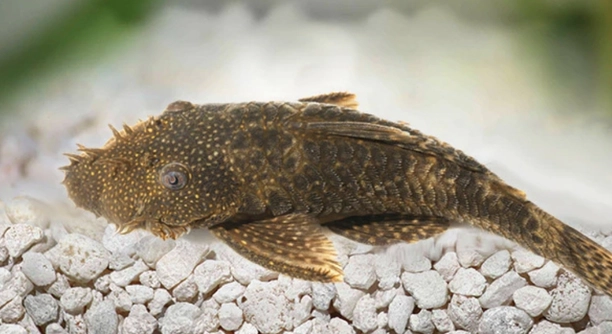
LED lights are a popular choice for aquarium lighting, and many hobbyists wonder if they’re suitable for different fish and tank setups. One common question is whether these lights are safe for Plecostomus. Understanding this will help you make the right choice for your tank.
Plecostomus, or plecos, thrive in tanks with stable lighting, and LED lights can be used without harm. However, it’s important to consider the intensity and color spectrum of the LEDs to ensure they create a suitable environment for your fish.
Learning how the right lighting can benefit your Plecostomus and the overall health of your aquarium is key to keeping them happy.
Understanding LED Lighting for Aquariums
LED lights are an energy-efficient choice for aquarium lighting, offering various benefits for both the tank’s aesthetics and the well-being of your fish. For Plecostomus, it’s important to focus on the quality of the light rather than just the color or brightness. These fish are typically nocturnal and prefer dimmer settings. Bright lights, especially during the night, can cause stress and affect their natural behavior. When choosing LED lights for a Plecostomus tank, it’s best to opt for a fixture that provides adjustable settings, allowing you to control the light intensity. This will give you more flexibility to replicate the fish’s natural habitat.
In addition to light intensity, the spectrum of the light matters. Some colors, like blue and white, mimic natural moonlight and can be a better choice for Plecos. It’s also beneficial to create periods of low lighting to encourage your Plecostomus to stay active and comfortable.
Finding the right LED lighting can make a big difference in the health and activity levels of your Plecostomus. Too much light can be harmful, while too little may affect tank plants and overall visibility.
The Impact of Light on Plecostomus Behavior
Plecostomus are naturally nocturnal, meaning they are most active during low-light conditions. Excessive bright lighting can disrupt their behavior, causing stress or making them retreat to darker parts of the tank. The use of dim, adjustable LED lights allows for a better environment that supports their natural activity patterns.
The right lighting can also influence the tank’s ecosystem, affecting not only the fish but also the plants. Aquarium plants often require specific light levels to thrive, and providing the right spectrum and intensity of light will ensure both your Plecostomus and plants flourish. Some LED lights come with built-in features to mimic natural light cycles, making them ideal for creating a more natural habitat. The combination of proper lighting and a peaceful environment will help your Plecostomus stay active and healthy.
Adjusting LED Lighting for Plecostomus
LED lights should be adjustable to accommodate the natural behavior of Plecostomus. Since they are active at night, you can use dimmer settings during the evening to help them feel more comfortable. Reducing the intensity during nighttime can also mimic their natural environment, where light levels drop significantly.
It’s essential to avoid using harsh, bright lights for long periods, as Plecostomus may become stressed and less active. Instead, opt for LED lights with adjustable brightness so you can create a more suitable environment. Many LED systems also allow you to set timers, simulating the natural cycle of day and night, which benefits both your fish and plants. Regular dimming at night can also help reduce algae growth, making tank maintenance easier.
Managing the light intensity based on time of day allows your Plecostomus to feel more at ease. The ability to create night-like conditions during their active periods can promote a healthier environment for both your fish and the tank’s ecosystem.
Choosing the Right Spectrum for Plecostomus
The color spectrum of LED lighting plays a significant role in the comfort and health of Plecostomus. These fish tend to do well under blue or moonlight-like lighting, which mimics their natural nighttime habitat. It’s also important to ensure that the lighting provides a balanced spectrum for both the fish and the plants in your tank.
A good choice for Plecostomus is a light that includes both blue and white settings. Blue lighting is gentle and similar to natural moonlight, while white lighting can simulate daylight. However, you should avoid strong red or yellow lights, as they may disrupt the natural rhythm of your fish. When selecting an LED system, consider those with a customizable spectrum feature, allowing you to adjust both color and brightness to meet the needs of your aquarium’s inhabitants. Proper light conditions promote active, healthy fish and support plant growth, creating a balanced ecosystem.
By choosing the right spectrum, you can support both the visual appeal of your aquarium and the well-being of your Plecostomus.
Impact of Intensity on Plecostomus
The intensity of your LED lights can affect how your Plecostomus behaves. Too much brightness can cause stress, making them hide or become inactive. On the other hand, dim lighting will allow them to feel more secure and stay active, simulating a more natural environment for your fish.
By adjusting the light intensity, you can give your Plecostomus a better, more comfortable habitat. Ensure the lighting mimics the natural cycle of light and dark to avoid disrupting their behaviors. The right intensity can also help reduce algae growth and maintain a clean, healthy tank.
Timing Your LED Lighting
Plecostomus thrive in a tank that follows a natural day-night cycle. It’s best to set a timer for your LED lights, ensuring they mimic the natural progression of daylight and darkness. A consistent cycle helps your Plecostomus feel at home and encourages their natural habits, such as feeding and hiding.
Setting up your lights with a timer eliminates the need for manual adjustments and provides your fish with a stable environment. This stability helps manage stress levels and supports a balanced ecosystem for both the fish and plants in your tank.
LED Lighting for Tank Plants
Tank plants benefit from proper lighting as well. LED lights that provide a full spectrum of light support photosynthesis, ensuring that your plants stay healthy and vibrant. This helps create a balanced environment for your Plecostomus and keeps your aquarium looking lush and thriving.
Choosing the right LED lights for plants, such as those with adjustable brightness and a balanced spectrum, is key. Healthy plants will also help keep your water clean by absorbing excess nutrients. In turn, this supports the well-being of your Plecostomus, as the tank remains balanced and clean.
FAQ
Can LED lights harm Plecostomus?
LED lights, when used properly, do not harm Plecostomus. However, if the lights are too bright or left on for extended periods, they can cause stress. Plecostomus are nocturnal fish, so bright lights can disrupt their natural behavior. To keep them comfortable, choose LED lights with adjustable intensity and avoid leaving them on all day. Providing a period of darkness at night is essential to replicate their natural environment and maintain a healthy, low-stress atmosphere.
What color of LED light is best for Plecostomus?
The best color for Plecostomus is typically blue or white. Blue light mimics moonlight, which is more natural for these nocturnal fish. White light can also work, but avoid using harsh yellow or red lights. These can interfere with the fish’s natural cycles and make them feel stressed. By using blue or a mix of blue and white, you can create a peaceful, suitable environment that supports the fish’s activity and comfort.
How long should LED lights be on for Plecostomus?
Plecostomus need a balanced day-night cycle, so LED lights should be on for around 8 to 10 hours a day. The lighting should simulate the natural progression of daylight and dusk, which helps regulate the fish’s behavior. At night, it’s best to lower the light intensity or turn the lights off completely to allow them to rest. Using a timer for your LED lights can help maintain a consistent schedule, making it easier to ensure they get the right amount of light.
Can LED lights help reduce algae growth in my tank?
Yes, using LED lights with adjustable intensity can help control algae growth. Bright lights can encourage algae to thrive, while dimmer lights discourage excessive growth. By keeping your lighting at moderate levels, you reduce the chances of algae buildup. Additionally, setting your lights on a timer to replicate natural light cycles can help keep the balance of your tank and reduce the chance of algae overgrowth. Make sure to also perform regular maintenance, such as water changes and cleaning the tank, to keep algae under control.
Are there any benefits to using LED lights for tank plants?
LED lights can benefit tank plants significantly by providing a spectrum of light that promotes photosynthesis. This helps plants grow strong and healthy, which in turn improves water quality by absorbing excess nutrients. Choosing LED lights that offer a full spectrum or specialized plant lights ensures that your plants get the right light they need to thrive. Healthy plants not only make the aquarium visually appealing but also provide a cleaner, healthier environment for your Plecostomus.
Do Plecostomus need dim light or bright light?
Plecostomus prefer dimmer light, especially during their active periods at night. Since they are nocturnal, bright lights can cause stress and disrupt their natural behaviors. Providing low to moderate lighting during the day is ideal. At night, turning the lights off or using dim lighting can help replicate their natural environment and encourage them to stay active. Too much light can lead to stress, so controlling the light intensity is key to keeping your Plecostomus happy.
Can I use LED lights with other aquarium fish?
Yes, LED lights are suitable for most aquarium fish, not just Plecostomus. The key is adjusting the lighting based on the needs of the fish in your tank. Some species prefer dimmer light, while others may need brighter lighting for plant growth or specific activities. For a mixed tank, you can choose LED lights that provide adjustable brightness levels and a full spectrum, making it easier to create a balanced environment for all the fish in the tank.
How do I know if the LED light is too bright for my Plecostomus?
If the LED light is too bright for your Plecostomus, you may notice them hiding more often, being less active, or showing signs of stress, such as rubbing against objects or becoming lethargic. Plecostomus are nocturnal and prefer dimmer light, so if you see these signs, it’s likely the light intensity is too high. To fix this, reduce the brightness of your LED lights or provide more areas of shade in the tank where your Plecostomus can retreat when the lights are on.
What is the best way to position LED lights in the tank?
Position your LED lights so they provide even coverage across the tank without focusing too much light in one area. Place the lights above the tank or along the sides to ensure the light spreads evenly. Avoid direct, harsh lighting on one spot, as this can create stress for your Plecostomus and other tank inhabitants. If you have plants, ensure they get enough light for photosynthesis without overexposing them to bright lights. Proper positioning of the lights helps maintain a balanced environment for both fish and plants.
Do LED lights affect the breeding behavior of Plecostomus?
LED lights can influence breeding behavior in Plecostomus if they are too intense or disruptive. These fish typically breed in low-light conditions, so bright lighting may interfere with their natural breeding habits. To encourage breeding, you should provide a dimmer lighting setup and allow periods of darkness to mimic their natural environment. Ensure the tank has hiding spots and suitable conditions for breeding, including appropriate water temperature and pH levels. By adjusting the lighting, you can help create the right atmosphere for successful breeding.
Final Thoughts
When setting up lighting for your Plecostomus, it’s important to understand their natural behaviors and needs. These fish are nocturnal, which means they prefer dim lighting during the day and total darkness at night. Using LED lights that are adjustable in both intensity and color can help create a comfortable environment for them. Too much brightness can lead to stress, causing them to hide or become inactive. By providing the right lighting, you can encourage them to stay active, healthy, and stress-free.
LED lights are a great choice for aquariums, as they are energy-efficient, long-lasting, and customizable. They also help promote plant growth, which benefits the overall ecosystem of your tank. Plants can help filter the water and create a more balanced environment. However, it’s essential to use LED lights in moderation and set them on a timer to replicate a natural light cycle. A consistent day-night rhythm helps not only your Plecostomus but also the plants and any other aquatic life in the tank.
The key to maintaining a thriving aquarium is balance. While LED lighting is crucial for both the health of your Plecostomus and the plants, it’s just one factor in creating the right environment. Regular tank maintenance, proper water quality, and the right tank mates all play a role in keeping your aquarium ecosystem healthy. Understanding the needs of your Plecostomus, and providing them with the proper lighting and environment, will ensure that they thrive in your tank for years to come.

Hello,
If you enjoy the content that we create, please consider saying a "Thank You!" by leaving a tip.
Every little bit helps us continue crafting quality advice that supports the health, happiness, and well-being of pets around the world, for pets of all shapes, sizes, and species.
We really appreciate the kindness and support that you show us!