
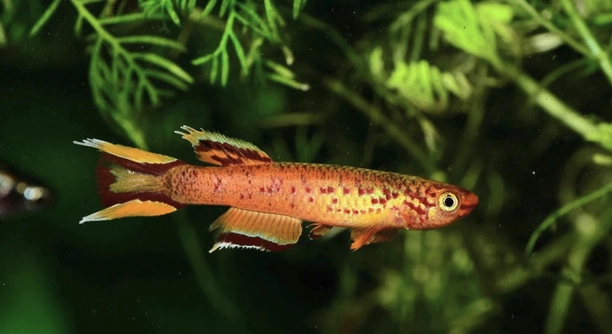
Many aquarium hobbyists enjoy keeping killifish because of their vibrant colors and unique behaviors. Proper tank setup is essential to maintaining their health and well-being. Filtration plays a key role in creating a stable environment for these delicate fish.
Using a sponge filter with killifish is effective and safe. Sponge filters provide gentle water flow, essential for killifish, which prefer calm conditions. They also offer biological filtration by promoting beneficial bacteria growth without disturbing the fish or their habitat.
Understanding how sponge filters benefit killifish tanks helps ensure a healthy environment. This knowledge supports both beginner and experienced hobbyists in creating suitable aquatic conditions.
Benefits of Using Sponge Filters With Killifish
Sponge filters are a popular choice for killifish tanks because they provide gentle filtration without creating strong currents. Killifish thrive in calm water, so avoiding harsh flow is important to keep them comfortable. These filters also support biological filtration by allowing beneficial bacteria to grow on the sponge surface. This bacteria helps break down harmful ammonia and nitrites, keeping the water clean and safe. Additionally, sponge filters are easy to maintain and affordable, which makes them practical for many keepers. They don’t disturb the substrate or plants, preserving the natural environment killifish prefer. Their design ensures that even small fry and delicate fish won’t get sucked into the filter. Because sponge filters use air pumps, they also add oxygen to the water, which benefits all tank inhabitants. Overall, sponge filters provide an effective, low-stress filtration option that supports the health of killifish.
Sponge filters are gentle, effective, and easy to maintain, making them a solid choice for killifish tanks of all sizes.
Using a sponge filter can improve water quality while keeping the tank environment peaceful. These filters do not require complicated setups or expensive parts. Since they don’t create strong currents, killifish can swim naturally without stress. The sponge surface offers plenty of space for good bacteria to flourish, which is essential for breaking down toxins. Regular cleaning involves simply rinsing the sponge in tank water, avoiding damage to beneficial bacteria colonies. This simplicity makes them ideal for beginners and experienced hobbyists alike. Furthermore, sponge filters are versatile and can be used in breeding tanks where small fry are present. Their quiet operation also keeps noise levels low, which is appreciated in a home setting. Overall, sponge filters contribute to a stable, healthy tank environment that matches the needs of killifish.
How to Properly Set Up a Sponge Filter for Killifish
Setting up a sponge filter in a killifish tank is straightforward and requires minimal equipment.
To set up, attach the sponge filter to an air pump using airline tubing. Place the filter near the bottom of the tank to allow water to flow through the sponge efficiently. Make sure the air pump has adjustable airflow to control water movement gently. Avoid positioning the filter directly in front of the killifish’s resting spots to prevent stress. It is also important to clean the sponge regularly by rinsing it in tank water during water changes, preserving the beneficial bacteria. By maintaining the sponge filter properly, you support consistent water quality and create a comfortable space for killifish to thrive.
Common Issues When Using Sponge Filters With Killifish
Sponge filters are reliable but may face some issues like clogging or reduced airflow. Regular maintenance helps avoid these problems and ensures efficient filtration.
Clogging occurs when debris builds up in the sponge, reducing water flow. This can lead to poor filtration and lower oxygen levels in the tank. To prevent this, rinse the sponge in tank water every two weeks during water changes. Avoid using tap water because chlorine can kill beneficial bacteria. Also, monitor the air pump to ensure it is working properly and delivering steady airflow. If the sponge becomes too clogged, replace it with a new one to maintain a healthy environment for killifish. Keeping the filter clean will help the fish stay healthy and reduce stress.
Another common issue is excessive bubbles caused by overactive air pumps. Too many bubbles can irritate killifish or disturb their resting areas. Adjust the airflow to create a gentle current that promotes good oxygen exchange without disturbing the fish. Proper positioning and flow control are key to avoiding this problem. Overall, sponge filters require minimal care but consistent attention to prevent these common issues.
Alternatives to Sponge Filters for Killifish Tanks
Sponge filters are effective but not the only option for killifish filtration. Other types may suit different setups or preferences.
Hang-on-back (HOB) filters provide stronger filtration but create more water movement, which killifish may find stressful. Canister filters offer excellent mechanical and biological filtration for larger tanks but can be expensive and complex. Undergravel filters are less common and require careful substrate management to avoid buildup. Some hobbyists use gentle powerheads with pre-filters to reduce flow strength. Each alternative has pros and cons depending on tank size, fish behavior, and maintenance willingness. Choosing the right filter depends on balancing filtration needs with killifish’s preference for calm water. Understanding these options helps maintain a healthy and stable tank environment.
Maintenance Tips for Sponge Filters in Killifish Tanks
Regular cleaning is essential to keep sponge filters working efficiently. Rinse the sponge every two weeks using tank water to preserve beneficial bacteria.
Avoid using tap water or harsh chemicals during cleaning, as these can kill helpful bacteria. Monitor airflow to ensure consistent water movement and oxygenation.
Choosing the Right Air Pump
Select an air pump with adjustable airflow to control the filter’s water movement gently. A quieter pump improves the tank environment by reducing noise.
Air pumps should match the tank size and sponge filter capacity. Proper pump choice prevents stress on killifish caused by strong currents or excessive bubbles.
Signs That Your Sponge Filter Needs Attention
Watch for decreased water flow or buildup of debris in the sponge. These signs indicate the filter requires cleaning or replacement soon.
Keeping the sponge clean helps maintain water quality and supports the health of killifish in the tank.
FAQ
Can sponge filters harm killifish?
Sponge filters are generally safe for killifish. They create gentle water flow and avoid strong currents that could stress these delicate fish. The sponge surface prevents fry or small fish from being sucked in. However, it’s important to maintain the filter properly to prevent debris buildup or clogging, which could reduce water quality and affect fish health.
How often should I clean my sponge filter?
Cleaning every two weeks is usually enough. Rinse the sponge in tank water to remove debris but avoid tap water because chlorine can kill beneficial bacteria. If the sponge becomes clogged or water flow decreases significantly, a cleaning is necessary sooner. Regular maintenance keeps the filter efficient and helps maintain a healthy tank environment for your killifish.
Can I use a sponge filter in a breeding tank for killifish?
Yes, sponge filters are ideal for breeding tanks. They provide gentle filtration without creating strong currents that can harm fry. The sponge also offers a surface for beneficial bacteria to grow, improving water quality. Their design helps keep eggs and fry safe while maintaining proper oxygen levels, which supports successful breeding and growth.
What air pump should I use with a sponge filter?
Choose an air pump with adjustable airflow to control water movement gently. The pump should match the tank size and sponge filter capacity to avoid excessive bubbles or strong currents. A quieter pump is preferable, as it reduces noise and stress on your fish. Proper pump selection ensures the sponge filter operates efficiently without disturbing the killifish.
Is it necessary to replace the sponge regularly?
Sponge filters don’t need frequent replacement if maintained properly. Rinse the sponge during regular cleaning to keep it functioning well. Replace the sponge only when it starts to break down, develops an unpleasant smell, or cannot be cleaned effectively. Keeping the sponge in good condition ensures continuous biological filtration and a safe habitat for killifish.
What are the signs that my sponge filter isn’t working properly?
Common signs include reduced water flow, increased debris buildup, or foul odors coming from the sponge. If water clarity decreases or ammonia levels rise, it may indicate poor filtration. These issues mean the sponge needs cleaning or replacement. Timely attention helps prevent water quality problems that can harm killifish health.
Can I use a sponge filter without an air pump?
Sponge filters rely on air pumps to create water movement. Without an air pump, the filter will not function correctly. Some setups use powerheads with pre-filters, but for typical sponge filters, an air pump is necessary to provide the needed airflow for filtration and oxygenation.
Do sponge filters affect tank temperature?
Sponge filters do not significantly affect tank temperature. They use air pumps to move water and oxygenate the tank, which does not produce heat. However, the air pump itself may generate a small amount of heat, but it is usually negligible and does not impact the overall temperature of the aquarium.
Can sponge filters remove ammonia and nitrites?
Yes, sponge filters support beneficial bacteria that convert harmful ammonia and nitrites into less harmful nitrates. This biological filtration is essential for maintaining safe water conditions in killifish tanks. The sponge surface provides ample space for bacteria colonies to thrive, helping keep the tank environment stable.
Are sponge filters noisy?
Most sponge filters operate quietly, especially when paired with a quality air pump. Noise can increase if the pump is too strong or placed improperly. Choosing a quiet pump and adjusting airflow helps minimize sound, creating a peaceful environment for both the fish and the keeper.
Can I use a sponge filter with other fish species?
Yes, sponge filters are suitable for many types of fish, especially those needing gentle water flow. They are popular in tanks with small or delicate fish, fry, and shrimp. Their gentle filtration helps maintain water quality without stressing sensitive species, making them versatile for mixed or specialized tanks.
How do sponge filters compare to other filter types for killifish?
Sponge filters provide gentle flow and effective biological filtration, making them well-suited for killifish. Other filters like hang-on-back or canister types offer stronger mechanical filtration but can create currents that stress killifish. Sponge filters are simpler to maintain and less likely to harm fry or delicate fish, offering a balanced solution for killifish care.
What is the best placement for a sponge filter in a killifish tank?
Place the sponge filter near the bottom of the tank to maximize water circulation through the sponge. Avoid positioning it directly in areas where killifish rest to prevent stress. Proper placement ensures effective filtration while keeping the fish comfortable. Adjust the air pump’s airflow to maintain gentle currents suitable for killifish behavior.
Using a sponge filter with killifish is a practical and effective choice for maintaining a healthy aquarium. These filters provide gentle water flow, which suits the calm nature of killifish and helps reduce stress. The sponge’s surface offers a good area for beneficial bacteria to grow, which is essential for breaking down harmful waste in the tank. This biological filtration supports stable water quality, keeping the environment safe for killifish to thrive. Sponge filters are also easy to maintain, making them a convenient option for both new and experienced keepers. Overall, their design aligns well with the needs of killifish and their specific habitat preferences.
Proper maintenance is important to ensure a sponge filter continues working effectively. Regular rinsing of the sponge in tank water prevents clogging and maintains good water flow. Avoiding tap water during cleaning protects the helpful bacteria that keep the tank balanced. Monitoring the air pump and adjusting airflow helps maintain a gentle current, which killifish prefer. It is also important to watch for any signs of reduced filtration, such as slower water flow or debris buildup, and take action when necessary. Keeping these small tasks consistent helps promote a healthy environment for your fish and reduces the risk of stress or illness.
Choosing the right filtration system is a key part of successful killifish care. Sponge filters offer many benefits, including simplicity, safety, and efficiency. While there are alternative filters available, sponge filters stand out for their gentle operation and ease of use. By understanding how to properly set up and maintain a sponge filter, you can create a tank environment that supports your killifish’s health and natural behavior. Attention to these details helps ensure your aquarium remains stable, clean, and enjoyable for both the fish and the keeper.

Hello,
If you enjoy the content that we create, please consider saying a "Thank You!" by leaving a tip.
Every little bit helps us continue crafting quality advice that supports the health, happiness, and well-being of pets around the world, for pets of all shapes, sizes, and species.
We really appreciate the kindness and support that you show us!