
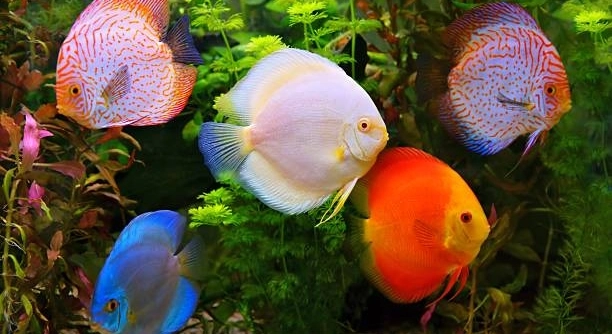
Using a sponge filter in an aquarium is a common practice among fishkeepers. Many hobbyists consider it for its gentle filtration and ease of use. When caring for discus fish, filtration plays a key role in maintaining water quality and fish health.
Sponge filters can be used for discus fish but are usually best suited as supplemental filtration. They provide gentle biological filtration and aeration but may not be sufficient alone for larger tanks or heavily stocked discus setups.
Understanding the benefits and limitations of sponge filters will help you make an informed choice for your discus aquarium. The following details will guide you through their appropriate use and maintenance.
What Is a Sponge Filter and How Does It Work?
A sponge filter is a simple device commonly used in aquariums for biological filtration. It consists of a sponge attached to an airlift tube. When air is pumped through the tube, water is drawn through the sponge. This process allows beneficial bacteria to colonize the sponge surface, breaking down harmful ammonia and nitrites into less toxic nitrates. The filter also provides gentle water movement and aeration without creating strong currents, which can be important for delicate fish like discus. Sponge filters are easy to clean and maintain, usually requiring only a gentle rinse in tank water to preserve the beneficial bacteria. They do not rely on mechanical filtration to remove debris but work mainly through biological filtration and oxygenation.
This type of filter is often used in breeding tanks, quarantine tanks, and fry tanks where water flow needs to be gentle.
Sponge filters are energy efficient and cost-effective. However, they can clog if not cleaned regularly, reducing their efficiency. They are best paired with other filtration systems in larger or heavily stocked aquariums to maintain optimal water quality for discus fish. Their gentle flow suits discus, which prefer calm environments, but alone they may not fully support the bioload in bigger setups.
Advantages of Using a Sponge Filter for Discus Fish
Sponge filters offer gentle filtration that avoids stressing sensitive discus fish. They provide stable biological filtration while aerating the water efficiently.
Due to their simplicity, sponge filters have fewer mechanical failures and are easy to maintain, reducing the risk of sudden water quality drops.
In discus tanks, the reduced water flow from sponge filters helps maintain calm conditions. This is important because discus are easily stressed by strong currents. Sponge filters also allow for the growth of beneficial bacteria essential to breaking down toxic substances, which contributes to stable water parameters. Their design minimizes disruption to the tank environment and allows for partial water changes without losing beneficial bacteria. Although sponge filters don’t remove debris effectively, they help maintain clean water when used alongside other filtration methods such as canister filters or hang-on-back filters. Their low cost and ease of maintenance make them a practical choice for discus hobbyists seeking gentle but effective filtration.
When Sponge Filters May Not Be Enough
Sponge filters alone might not provide sufficient filtration for larger discus tanks or heavily stocked setups. They primarily offer biological filtration but lack strong mechanical filtration to remove debris effectively.
For bigger tanks, the bioload from discus fish can exceed the sponge filter’s capacity. This may lead to an accumulation of waste, causing water quality issues. Combining a sponge filter with a more powerful filter, such as a canister or hang-on-back filter, helps maintain clearer water and better overall tank health. These additional filters improve mechanical filtration by removing particles and uneaten food, preventing buildup that could harm the fish. While sponge filters excel at aeration and biological filtration, they should be supplemented in more demanding environments to avoid water quality problems and stress to discus fish.
Regular maintenance is crucial when relying on sponge filters, as clogged sponges reduce filtration efficiency. Cleaning with tank water preserves beneficial bacteria, maintaining balance in the aquarium ecosystem.
Proper Maintenance of Sponge Filters
Cleaning sponge filters regularly prevents clogging and ensures proper water flow and filtration efficiency.
Avoid using tap water for cleaning, as chlorine can kill beneficial bacteria. Instead, rinse sponges gently in aquarium water during water changes to preserve bacteria colonies. This simple practice helps maintain the biological filtration crucial for discus health. Keeping the sponge filter clean extends its lifespan and prevents stagnation or foul odors. Proper maintenance also means monitoring air pump function to ensure consistent water movement. Over time, replacing the sponge may be necessary if it becomes too worn or damaged. Regular upkeep guarantees a healthy environment, reducing stress and disease risks for discus fish.
Benefits of Sponge Filters for Fry and Breeding Tanks
Sponge filters provide gentle water flow that prevents fry from being disturbed or sucked into filtration systems. Their biological filtration supports stable water conditions essential for breeding success.
They are quiet and energy-efficient, making them suitable for smaller, specialized tanks where noise and heat output are concerns.
Can Sponge Filters Handle the Bioload of Adult Discus?
Sponge filters alone generally cannot handle the high bioload of adult discus fish in larger tanks. Adult discus produce significant waste, which requires robust mechanical and biological filtration. While sponge filters excel at biological filtration, they lack the capacity to remove large amounts of debris efficiently. Using a sponge filter alongside a more powerful filtration system ensures water clarity and stability. This combined approach prevents the buildup of harmful toxins and keeps the discus environment healthier and more balanced. For heavily stocked or bigger tanks, relying solely on a sponge filter is not advisable.
Alternative Filtration Options for Discus
Canister filters provide strong mechanical and biological filtration, ideal for discus tanks.
FAQ
Can I use a sponge filter as the only filter for my discus tank?
Using a sponge filter alone is generally not enough for a discus tank, especially if it is large or heavily stocked. Sponge filters provide excellent biological filtration and gentle water flow, but they lack mechanical filtration to remove debris efficiently. Discus fish produce a significant amount of waste, so relying solely on a sponge filter can lead to poor water quality. It is best to use a sponge filter alongside a more powerful filter like a canister or hang-on-back filter to maintain a clean and healthy environment.
How often should I clean my sponge filter?
Cleaning frequency depends on your tank’s size, stocking level, and feeding habits. Typically, rinsing the sponge filter every two to four weeks is recommended. Avoid cleaning it too often or using tap water, as this can kill beneficial bacteria. Instead, gently rinse the sponge in a bucket of tank water during water changes to preserve the bacterial colonies needed for biological filtration.
Will a sponge filter create strong water currents in my discus tank?
No, sponge filters produce gentle water flow that is well suited for discus fish. Discus prefer calm water with minimal current, and the gentle filtration from a sponge filter helps maintain this environment. Strong currents can stress discus and affect their health, so sponge filters are preferred for their low water movement.
Can sponge filters help with oxygenation in a discus tank?
Yes, sponge filters help oxygenate the water by creating surface agitation and promoting gas exchange. The air pumped through the sponge causes bubbles that circulate water and increase oxygen levels. This is beneficial for discus fish, which thrive in well-oxygenated water.
Are sponge filters noisy?
Sponge filters are generally quiet compared to other filtration systems. The main noise comes from the air pump, which can be placed on soft padding or in a sound-dampening box to reduce noise. Overall, sponge filters are a good choice for those seeking a quieter aquarium setup.
Can sponge filters be used in planted discus tanks?
Yes, sponge filters are suitable for planted discus tanks because they provide gentle filtration without disturbing plants or substrate. They also do not draw in or damage delicate plant leaves. The biological filtration helps maintain water quality, which supports healthy plant growth and fish wellbeing.
What size sponge filter do I need for a discus tank?
Choose a sponge filter rated for a tank size equal to or larger than your aquarium. For discus tanks, it is better to select a filter that can handle more than the tank’s volume, as discus produce more waste than many other fish. If you have a large tank, consider using multiple sponge filters or supplementing with additional filtration.
Is it necessary to replace the sponge in the filter?
Sponges do wear out over time and should be replaced when they become too degraded or damaged. Signs it’s time to replace the sponge include tears, crumbling, or reduced filtration efficiency. When replacing, avoid changing all sponges at once to preserve beneficial bacteria. Replace them gradually if possible.
Can sponge filters prevent diseases in discus tanks?
Sponge filters help maintain water quality, which reduces stress and disease risks in discus. However, they do not prevent diseases directly. Good hygiene, quarantine of new fish, regular water changes, and proper feeding are also essential to keep discus healthy.
What are the disadvantages of using only a sponge filter?
The main disadvantage is limited mechanical filtration, meaning the sponge filter cannot remove all debris effectively. This can cause water to become cloudy and increase toxins if not managed properly. Additionally, sponge filters may require more frequent maintenance in tanks with high waste production. For discus fish, this means sponge filters are best used alongside more powerful filtration systems.
Can sponge filters be used for quarantine tanks with discus?
Yes, sponge filters are ideal for quarantine tanks because of their gentle filtration and easy maintenance. They provide stable biological filtration while reducing stress on the fish. Their simple design makes cleaning and monitoring easier during quarantine.
How does a sponge filter compare to other filters like canister or power filters?
Sponge filters excel at biological filtration and provide gentle water flow. Canister and power filters offer stronger mechanical and chemical filtration, which sponge filters lack. For discus tanks, combining sponge filters with other filter types can optimize filtration by covering all needs: biological, mechanical, and chemical.
Can I use a sponge filter with other filtration methods?
Yes, sponge filters work well as supplementary filtration. Pairing them with canister filters or hang-on-back filters improves water clarity and overall filtration capacity. This combination supports discus health by maintaining excellent water quality and providing a calm environment.
What air pump size is suitable for a sponge filter in a discus tank?
The air pump should match the size of the sponge filter and tank. A pump that delivers steady, moderate airflow is ideal. Too much airflow can create excessive water movement, stressing discus. Pumps designed for aquariums of your tank’s size usually work well. Adjust airflow with a valve if needed.
Are sponge filters energy efficient?
Yes, sponge filters consume very little electricity because they rely on air pumps rather than mechanical motors. This makes them cost-effective and environmentally friendly. Their low power use is a plus for hobbyists managing multiple tanks or aiming to reduce energy bills.
Can sponge filters be used in saltwater discus tanks?
Discus are freshwater fish and not kept in saltwater. Sponge filters can be used in freshwater discus tanks, but they are not suited for saltwater environments without special considerations. For freshwater discus care, sponge filters are a practical choice.
Do sponge filters remove harmful chemicals from water?
Sponge filters mainly handle biological filtration and some mechanical filtration but do not remove chemicals like chlorine or heavy metals. Chemical filtration media like activated carbon are needed for that, usually provided by canister or hang-on-back filters.
What are signs that a sponge filter is not working properly?
Signs include reduced airflow, clogged sponge, cloudy water, or increased fish stress. If water flow seems weak or the sponge looks dirty and compacted, it’s time to clean or replace it. Maintaining regular checks prevents filtration problems.
Can sponge filters be used in small discus tanks?
Yes, sponge filters are well-suited for smaller tanks where gentle filtration is needed. They provide sufficient biological filtration without creating strong currents, which helps keep discus calm and healthy in compact spaces.
Using a sponge filter for discus fish can be a practical choice, especially for smaller tanks or breeding setups. Sponge filters provide excellent biological filtration, which is important for maintaining the beneficial bacteria that break down harmful ammonia and nitrites in the water. They also create gentle water flow, which suits discus fish since these fish prefer calm environments. The quiet operation and low energy use of sponge filters add to their appeal, making them an economical and effective option for maintaining water quality. However, it is important to understand their limitations and use them appropriately to ensure the health and well-being of your discus fish.
While sponge filters work well for biological filtration, they are not always enough on their own for adult discus tanks, particularly those that are larger or more heavily stocked. Discus fish produce a considerable amount of waste, and a sponge filter’s mechanical filtration capabilities are limited. This means debris and uneaten food can accumulate, potentially leading to water quality problems if not properly managed. To avoid this, many aquarists use sponge filters alongside more powerful filters, such as canister or hang-on-back filters, to ensure adequate mechanical filtration and maintain clear, healthy water. Regular maintenance of the sponge filter is also necessary to keep it functioning properly. Rinsing the sponge gently in tank water during water changes preserves beneficial bacteria, preventing disruptions to the tank’s biological balance.
In summary, sponge filters are a useful tool for discus tanks when used correctly and with appropriate supplementary filtration. Their ability to provide gentle water flow and biological filtration makes them especially helpful for fry and breeding tanks. For adult discus in larger or heavily stocked tanks, combining a sponge filter with other filtration systems will improve water quality and support fish health. Proper care and maintenance of the sponge filter will extend its effectiveness, helping to keep the discus environment stable. Understanding the strengths and limits of sponge filters helps aquarists make informed decisions about filtration for discus fish, promoting a healthier and more balanced aquarium.

Hello,
If you enjoy the content that we create, please consider saying a "Thank You!" by leaving a tip.
Every little bit helps us continue crafting quality advice that supports the health, happiness, and well-being of pets around the world, for pets of all shapes, sizes, and species.
We really appreciate the kindness and support that you show us!