
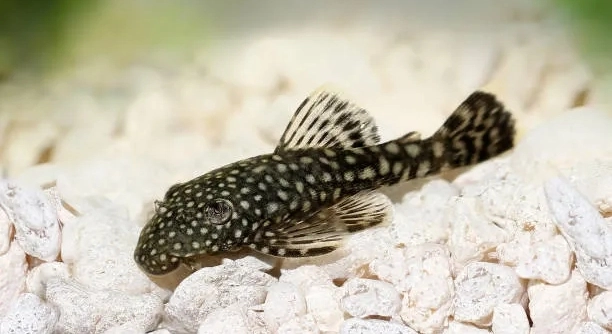
Plecos are fascinating fish, but keeping them together can sometimes lead to fighting. Many aquarists wonder if a divider can help manage these conflicts. Here, we’ll explore the effectiveness of dividers for fighting plecos.
Using a divider to separate fighting plecos can be effective, but it’s not always a long-term solution. Plecos are territorial, and a divider may only temporarily reduce aggression. It’s important to consider their environment and behavior carefully.
Understanding how to create a peaceful environment for plecos is essential. While dividers can offer short-term relief, there are other factors to consider in preventing aggression and ensuring your plecos thrive.
The Nature of Pleco Aggression
Plecos are typically peaceful creatures but can become aggressive, especially when they feel threatened or crowded. In their natural habitats, they tend to keep to themselves, establishing territories. When placed in the same tank, these fish may fight to defend their space, causing stress or injury. In some cases, this aggression is more common among males, particularly during breeding seasons or when resources like food or hiding spots are scarce. Understanding why they fight is key to finding a solution. In a home aquarium, it’s important to replicate their natural environment to minimize stressors.
Sometimes, a divider may seem like the easiest fix. However, it’s essential to note that while a divider can temporarily separate aggressive plecos, it doesn’t address the root cause of their aggression. Tank conditions such as overcrowding, insufficient hiding spots, or improper water parameters can make plecos more territorial. It’s worth taking a closer look at these factors before deciding on a permanent solution.
Dividers can help, but they aren’t always the best way to manage pleco aggression. Providing each fish with ample space and hiding areas often works better in the long run. Using dividers also prevents plecos from establishing natural territories, which could increase stress. Additionally, keeping a consistent water environment and not overcrowding the tank is essential to avoid future aggression. Ensure there are enough places for plecos to hide, especially if you’re housing more than one. Introducing plecos of similar size can help reduce aggressive behaviors, as larger fish are less likely to challenge smaller ones.
Long-Term Solutions for Reducing Aggression
While dividers can serve a purpose, they should not be relied upon as a sole solution. If your plecos continue to fight, it may be time to adjust other aspects of their environment.
One of the most effective ways to prevent aggression is by making sure there is enough space for each pleco. Plecos are territorial, so overcrowding can make them feel threatened. Providing multiple hiding spots, caves, and plants can help create individual territories within the tank. This approach gives each pleco a place to retreat to and reduces competition. Keep in mind that plecos need enough room to swim freely, and their environment should reflect their natural habits. A tank that is too small or lacks proper decorations will likely cause stress, leading to more aggressive behavior.
The Role of Tank Size
A larger tank gives plecos more space to establish their own territories. In a cramped environment, they’ll feel more pressured to defend their space, leading to fights. The bigger the tank, the less likely they are to become aggressive.
The minimum recommended tank size for plecos is 75 gallons, though this depends on the species. Having ample space reduces the chance of conflicts. A larger tank allows for more decorations like rocks, plants, and caves, offering plecos places to hide. This also creates natural boundaries where plecos can retreat without feeling threatened by others.
Plecos are bottom-dwelling fish, so they typically need space to roam without disturbing each other. In smaller tanks, they often compete for the same areas. With a larger tank, the fish are less likely to come into contact with one another and will be less stressed. More room in the tank can also lead to healthier fish overall, as it gives them the space they need to be more active and comfortable.
Adding More Plecos to the Tank
If you’re adding more plecos to a tank with existing ones, it’s important to consider their size and temperament. Introducing plecos that are too similar in size and aggression levels can result in fights.
When introducing new plecos, it’s crucial to give each fish its own territory. For example, add caves or decorations where each pleco can hide and claim its space. This can reduce competition for resources and give them a sense of security. In some cases, adding a larger pleco to the tank might help discourage aggression from smaller ones. However, if the new pleco is too small, it may become a target for bullying. Always observe the tank after introducing new plecos to ensure they are getting along.
The Importance of Water Quality
Maintaining clean, stable water is key to reducing stress and aggression in plecos. Poor water quality can make them more irritable, which leads to fights. Regular water changes and good filtration systems are essential.
Inconsistent water parameters such as fluctuating temperatures or high ammonia levels can trigger aggression. Plecos are sensitive to poor water conditions, and when the tank is not properly maintained, they may become stressed. Stressed plecos are more likely to fight over territory or food. Ensure that water conditions are stable and safe to help keep aggression in check.
The Right Food for Plecos
Feeding your plecos a balanced diet can also help keep aggression at bay. A varied diet, with plenty of vegetables and algae, keeps them healthy and satisfied. This can reduce competition for food.
Feeding plecos in separate areas or at different times may also reduce aggressive interactions. When plecos feel like they’re competing for the same food, they can become territorial. Providing enough food for all plecos in the tank ensures that no one feels deprived and reduces fighting over meals.
Using Tank Dividers for Temporary Relief
A tank divider can work as a short-term solution if plecos are fighting. It helps by separating the aggressive fish and giving each one its own space. However, it should not be relied on long-term.
FAQ
Can I keep multiple plecos together?
Yes, you can keep multiple plecos together, but it requires careful planning. Plecos are territorial, and conflicts can arise if they don’t have enough space or hiding spots. A larger tank with plenty of caves and plants helps reduce competition. It’s also important to monitor their behavior and separate them if aggression becomes a problem. Choose plecos of similar size and temperament, as large differences may lead to bullying.
How do I prevent plecos from fighting?
To prevent plecos from fighting, ensure they have enough space to establish their territories. Providing hiding spots, such as caves or plants, helps plecos feel safe and reduces territorial disputes. Maintaining a clean tank with stable water conditions also reduces stress, which can contribute to aggression. If necessary, consider separating aggressive plecos or using tank dividers temporarily.
Do plecos need a lot of hiding spots?
Yes, plecos do best when they have multiple hiding spots. They are bottom dwellers and need caves, rocks, or plants to retreat to. These hiding spots give them a sense of security, especially in a tank with other plecos. If there aren’t enough hiding spots, plecos will become more territorial and could fight over the limited space. Adding more decorations helps create boundaries and keeps the tank peaceful.
What size tank do plecos need?
The size of the tank you need depends on the species of pleco. As a general guideline, plecos should be kept in tanks of at least 75 gallons. Larger plecos, like the common pleco, may require even more space as they grow. A larger tank provides more room for each fish to claim its territory and reduces the likelihood of fights. Smaller tanks can lead to overcrowding and increased aggression among plecos.
Can plecos be housed with other fish?
Plecos can be housed with other fish, but it’s important to choose compatible species. Plecos are generally peaceful, but they may become territorial or aggressive if they feel crowded or stressed. Avoid housing them with aggressive or fast-moving fish that might outcompete them for food. Make sure the tank size is large enough to accommodate all the species you plan to keep. Peaceful fish like tetras or guppies can coexist well with plecos, as long as the tank conditions are right.
Are plecos aggressive towards each other?
Plecos can be aggressive towards each other, especially if they are males or feel their territory is threatened. Aggression is more common when there isn’t enough space or hiding places in the tank. Providing plenty of hiding spots and keeping the water clean can reduce fighting. If aggression becomes a problem, consider using a tank divider or separating particularly aggressive fish.
How often should I change the water in a pleco tank?
Water changes are crucial for plecos’ health. For a well-established tank with good filtration, changing 25-30% of the water every 1-2 weeks is a good rule of thumb. If the tank is heavily stocked or has poor filtration, more frequent water changes may be necessary. Keeping the water clean helps prevent stress and promotes a healthier environment for plecos.
Can plecos live with other bottom-dwelling fish?
Plecos can live with other bottom-dwelling fish, but you must be cautious. Some bottom-dwelling species, like catfish or other plecos, may compete for territory and food. To reduce the risk of conflict, provide enough hiding spots and ensure the tank is large enough. Also, consider the size of the fish—larger plecos may bully smaller species. Always observe interactions and separate them if necessary.
What do plecos eat?
Plecos are omnivores, meaning they eat both plant and animal matter. In captivity, their diet should include algae, vegetables (like zucchini and cucumber), and specialized sinking pellets. Plecos also enjoy occasional protein-based foods, such as shrimp or worms. A balanced diet keeps them healthy and reduces the likelihood of aggression caused by hunger or competition for food.
Do plecos need a specific water temperature?
Yes, plecos prefer warm water. The ideal water temperature for plecos typically ranges from 75°F to 80°F (24°C to 27°C). If the water temperature is too low, plecos may become stressed and more susceptible to illness. On the other hand, if the water is too hot, it can lead to oxygen depletion and increased aggression. Keeping the water temperature stable is important for their overall well-being.
How can I tell if my plecos are stressed?
Stressed plecos may show signs like hiding more than usual, lethargy, loss of appetite, or sudden aggression. If plecos are not eating or displaying erratic behavior, it’s a sign they may be stressed. Poor water quality, overcrowding, or tank mates causing stress can contribute to these issues. Regular monitoring and tank maintenance help prevent stress-related problems.
Final Thoughts
When it comes to keeping plecos, managing aggression and ensuring a peaceful environment is crucial. While these fish are generally calm, they can become territorial, especially when confined to small spaces. The size of the tank plays a big role in how well plecos get along. A larger tank gives them the space they need to feel secure and reduces the likelihood of territorial disputes. Without enough room, plecos may fight over hiding spots or food, which can lead to stress and even injury.
Providing plenty of hiding spots is another key factor in keeping plecos happy and reducing aggression. These fish need places where they can retreat to feel safe, especially if there are multiple plecos in the same tank. Caves, rocks, and plants can serve as these safe spaces, allowing plecos to claim their own territory and avoid conflict. Without such hiding spots, plecos may become more territorial and aggressive, which can create a tense environment in the tank. The more places they have to hide, the less likely they are to fight over space.
Finally, it’s important to remember that plecos are sensitive to their water conditions. Poor water quality can contribute to stress, making plecos more likely to exhibit aggressive behavior. Regular water changes, a good filtration system, and maintaining stable water parameters are essential to keeping plecos healthy and calm. When all of these factors—tank size, hiding spots, and water quality—are in balance, plecos can thrive together without constant conflict. However, in some cases, using a divider or separating aggressive fish may still be necessary to ensure peace in the tank. By paying attention to their needs and monitoring their behavior, you can create a peaceful, happy environment for your plecos.

Hello,
If you enjoy the content that we create, please consider saying a "Thank You!" by leaving a tip.
Every little bit helps us continue crafting quality advice that supports the health, happiness, and well-being of pets around the world, for pets of all shapes, sizes, and species.
We really appreciate the kindness and support that you show us!