
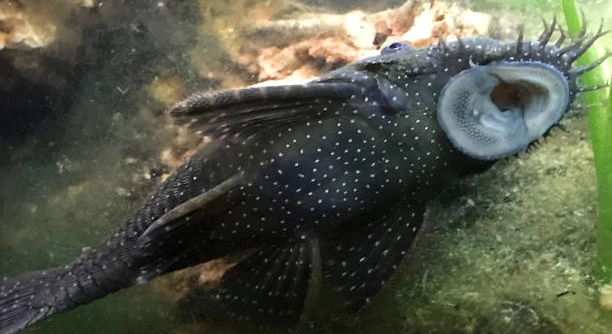
Traveling with a pet Plecostomus requires some planning and preparation. These freshwater fish are typically housed in aquariums, making travel a bit more challenging. Understanding the logistics of transporting your Pleco is essential for a smooth journey.
It is possible to travel with a pet Plecostomus, but it requires careful planning. You will need to create a suitable environment for the fish, such as a portable aquarium or fish bag, to ensure their safety and comfort during travel.
Knowing how to properly pack and manage your Plecostomus while traveling will help maintain their well-being.
Preparing Your Plecostomus for Travel
Before embarking on travel with your Plecostomus, it is important to ensure their environment is stable during the trip. Start by selecting an appropriate container, such as a portable fish tank or a secure, water-filled bag. Ensure that the container is large enough for the fish to swim comfortably, but not so large that the water temperature fluctuates too much during transport. Maintaining a stable water temperature is crucial, as sudden changes can stress the fish. You may need to use a small portable heater to keep the water warm, especially if traveling in colder temperatures.
Remember to remove any water plants or objects that could move during transport, as these could potentially harm the fish. Use a lid or cover to prevent any spillage. Make sure the container is well-ventilated, especially if you’re using a closed system. Double-check that the water in the container is properly aerated, as lack of oxygen could harm the fish.
Finally, be prepared for stops if you’re traveling long distances. Check on your Plecostomus periodically to ensure it is not under distress.
The Right Transportation
When transporting your Plecostomus, ensure the container remains upright to avoid sudden water movement. It’s essential that your fish is secure at all times.
During long trips, make sure to provide regular checks and maintain water quality. This helps to keep the fish safe from any distress caused by fluctuating environments.
Handling Plecostomus During Stops
If you need to make stops, always be cautious when handling the Plecostomus. It’s important to ensure the water remains as stable as possible to avoid stress. Ideally, stops should be kept short, and the fish should remain in a well-ventilated, secure container. Handling the fish should be minimal to avoid unnecessary disturbances.
Make sure to carry extra water in case you need to replenish or replace any that may spill during stops. Having a backup container with you is a good idea, in case of any emergency during travel.
Managing Water Quality During Travel
Water quality is crucial for your Plecostomus, especially during travel. Keep the water clean and free from contaminants to avoid stressing the fish. If you’re traveling for a long time, consider using water stabilizers or water conditioners to maintain proper pH levels and ensure oxygenation.
Before setting off, check the water quality thoroughly. Test the pH, hardness, and ammonia levels, making adjustments if necessary. If possible, transport the fish in water that has already been conditioned to prevent sudden changes. You can also use portable filters or air pumps if your container allows for it, ensuring that the fish receives adequate oxygen during the trip.
If you’re traveling without filtration, be mindful of the water’s quality and cleanliness. Monitor the water as often as possible and be ready to change it if needed. Keeping water quality stable is one of the most important aspects of ensuring the safety and health of your Plecostomus during transport.
Temperature Control for Your Plecostomus
The temperature of the water is another key factor in keeping your Plecostomus comfortable. Plecos are sensitive to temperature changes, so maintaining a steady temperature is essential. Use a small, battery-operated heater for warmth if needed, especially in colder climates.
It’s recommended to keep the water temperature between 72°F and 78°F (22°C – 26°C) for optimal health. Avoid extreme heat or cold, as sudden temperature changes can cause shock. If you don’t have access to a portable heater, use insulated bags or materials to help retain warmth. You can also keep the container in a warm area of your vehicle to prevent drastic fluctuations. Make sure to avoid placing the container in direct sunlight, as it can overheat the water quickly.
When stopping, ensure the temperature remains consistent. It’s a good idea to carry a portable thermometer to monitor changes during the trip.
Avoiding Stress During Transport
Stress can be a major issue when traveling with your Plecostomus. The more you disturb their environment, the more likely they are to experience stress. Limit handling and try to keep the transport as smooth as possible.
You can reduce stress by minimizing sudden movements or vibrations. Try to keep the container stable, especially during turns or bumpy roads. A soft, secure container will also help reduce the impact of movement. Avoid talking loudly or opening the container too often, as it can disturb the fish further.
Feeding Your Plecostomus on the Go
Feeding your Plecostomus during travel is unnecessary for short trips, as they can go without food for a while. However, if your trip extends over a day, provide a small, easily digestible meal.
A good option is algae wafers or other sinking foods that can remain in the water without fouling it. Make sure any uneaten food is removed after a few hours to prevent water contamination. It’s best to avoid feeding them too much, as it can lead to waste buildup. Overfeeding can cause further stress and harm their health.
Hydration and Additional Supplies
During transport, always bring extra water and supplies. Carry a small bottle of dechlorinated water in case the water in the container gets dirty or needs refreshing. Bring any necessary items, such as a small net, a portable heater, and water treatment solutions.
FAQ
Can I travel with a Plecostomus in a regular aquarium?
It is possible to travel with a Plecostomus in a regular aquarium, but it’s not the most practical option for long trips. Traditional aquariums are heavy and can be difficult to manage. Additionally, moving an aquarium can cause the water to become turbulent, which may stress the fish. It’s better to use a smaller, portable container designed specifically for transportation. This allows for easier handling and a more stable environment for your Plecostomus.
How long can a Plecostomus survive in a small container during travel?
Plecostomus can survive in a small container for several hours, provided the water quality and temperature are maintained. If you’re traveling for a day or less, they should be fine, but for longer trips, you may need to refresh the water or add an air pump to ensure oxygen levels remain stable. In general, keeping travel time under 12 hours will help prevent excessive stress on the fish.
What kind of water is best for my Plecostomus while traveling?
The water should be clean, dechlorinated, and at the right pH and hardness levels for your Plecostomus. Tap water can work, but it’s crucial to treat it with a water conditioner to remove chlorine and chloramine. If you are unsure about water conditions, carrying pre-conditioned water from your tank is a good idea, as it is already balanced for the fish. Always make sure to check the water quality before traveling.
How can I keep the water temperature stable during transport?
Maintaining a stable water temperature is key for your Plecostomus. Use a portable aquarium heater if the trip is going to be long and the weather is cold. You can also use insulated bags to help retain heat. If you’re traveling in warmer weather, avoid placing the container in direct sunlight, which could overheat the water. Make sure to check the temperature regularly to prevent sudden changes, which can stress the fish.
Is it safe to feed my Plecostomus while traveling?
Feeding your Plecostomus during travel is generally not necessary for short trips, as they can go without food for a day or more. However, if the trip is longer, you can offer small amounts of algae wafers or sinking pellets. Be sure to remove any uneaten food to prevent it from contaminating the water. Overfeeding can lead to water quality issues, so it’s best to keep feeding to a minimum.
Can I travel with a Plecostomus in a bag or without a container?
While it may be tempting to travel with your Plecostomus in a simple bag, it is not advisable. The fish needs a secure environment where the water quality can be managed, and a plastic bag does not provide adequate space or stability. Instead, use a travel-friendly container that can be securely closed and offers enough room for the fish to move comfortably. This will help minimize stress and ensure the safety of your Plecostomus.
How can I reduce stress for my Plecostomus during the trip?
To reduce stress, keep the travel container stable and minimize handling. Avoid sudden temperature changes and strong vibrations. Make sure the water quality stays balanced, and try to keep the environment calm by not opening the container too often. The less disruption there is, the more comfortable your Plecostomus will be.
What should I do if the water gets dirty during the trip?
If the water becomes dirty during the trip, it’s important to refresh it as soon as possible. Carry extra dechlorinated water with you and change out the water if needed. If the container has a portable filter, use it to maintain water quality. Always check the water for any visible waste or contaminants, as this can stress your Plecostomus.
Should I bring any additional equipment for the trip?
It’s always a good idea to bring additional equipment, especially for longer trips. A small battery-operated air pump can ensure proper oxygenation. You might also need a small net to catch your fish if you need to move it or check its health. Bring water conditioners, a thermometer, and any supplies needed to maintain the water quality throughout the trip.
Can I use a travel tank or bag designed for other pets?
Some travel tanks and bags designed for fish are specifically made to handle the needs of aquatic animals. Ensure that the product is suitable for your Plecostomus’s size and provides adequate ventilation and space. A well-designed fish travel bag will help ensure that the water stays clean, the fish remains secure, and the trip goes smoothly. Always check the specifications before choosing a travel tank.
Final Thoughts
Traveling with a Plecostomus requires careful planning to ensure its well-being. The key factors to consider are water quality, temperature control, and minimizing stress. Ensuring that the water remains clean, well-oxygenated, and at a stable temperature is essential for the health of your Plecostomus. Small, portable containers are often the best choice for travel, as they are easier to handle and provide a more stable environment. Larger aquariums can be difficult to manage and may create unnecessary stress during transport.
If you’re traveling for an extended period, it’s important to consider how your Plecostomus will fare over time. Providing the proper care, such as refreshing the water and adjusting temperature, can help prevent health issues. Regular checks on water quality are necessary during the trip to make sure the environment remains stable. Bringing along additional supplies like water conditioners, air pumps, and a thermometer will make the process smoother and safer for the fish. It’s also crucial to remember that Plecostomus can go without food for a day, so overfeeding should be avoided.
Ultimately, the well-being of your Plecostomus depends on how well you manage its environment during travel. With the right preparations, it is possible to transport your fish without causing it unnecessary stress or harm. Focus on creating a stable, calm, and comfortable environment for your Plecostomus, and the trip should go smoothly. Always be mindful of the fish’s needs and adjust your plans if needed to ensure a safe journey.

Hello,
If you enjoy the content that we create, please consider saying a "Thank You!" by leaving a tip.
Every little bit helps us continue crafting quality advice that supports the health, happiness, and well-being of pets around the world, for pets of all shapes, sizes, and species.
We really appreciate the kindness and support that you show us!