
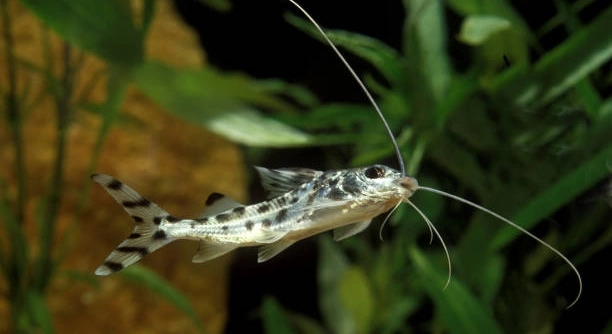
Pictus catfish are popular aquarium fish known for their active and curious nature. Many fishkeepers enjoy watching their unique behavior and want to find ways to interact with them more closely. Training with food is one method some hobbyists consider.
Pictus catfish can be trained using food rewards, as they learn to associate feeding times and hand movements with positive outcomes. Consistent repetition and patience are essential for successful training, allowing these fish to respond to cues over time.
Learning how to train your pictus catfish can improve your bond and make feeding time more engaging for both you and your fish.
Understanding Pictus Catfish Behavior
Pictus catfish are naturally curious and active, especially during feeding times. They tend to explore their surroundings and react quickly to movement near their tank. These fish rely heavily on their senses to find food, mainly using sight and smell. When you approach the tank with food, they quickly learn to associate your presence with a meal. This behavior makes them good candidates for basic training. However, patience is important, as these fish don’t respond instantly. They need time to recognize patterns, like feeding at specific times or reacting to hand movements. Their natural hunting instincts also motivate them to follow food closely, which helps during training sessions. Knowing how they behave gives you a better chance of successfully teaching them simple tricks. You might notice they become more interactive once they understand that food is involved.
Training pictus catfish requires consistent timing and clear signals for them to understand what you want.
Establishing a routine is key. Feeding your catfish at the same time daily and using the same hand gestures helps them learn faster. Avoid sudden changes to keep them comfortable and engaged.
Feeding as a Training Tool
Food is the most effective motivator for pictus catfish because it taps into their natural instincts. Offering small, frequent treats during training keeps them interested without overfeeding. It’s important to use foods they enjoy, such as bloodworms or sinking pellets, to maintain their focus. When you present food consistently with a gesture, like tapping the tank or offering your hand, the fish start to connect the action with the reward. This positive reinforcement encourages them to repeat the behavior. Training sessions should be short and gentle to prevent stress. Over time, pictus catfish can learn to come when called or perform simple tasks like following a finger. Using food this way not only improves their responsiveness but also strengthens your interaction with them, making aquarium care more enjoyable.
Using food as a reward helps pictus catfish learn behaviors faster and makes feeding time more interactive.
Setting Realistic Expectations
Training pictus catfish takes time and patience. They are not quick learners like some pets, so progress will be gradual. Consistency matters more than speed.
Expect your catfish to respond better over weeks rather than days. Small steps, like coming to the surface for food or following a finger, are realistic goals. Don’t expect complex tricks because their intelligence limits what they can learn. Be gentle and keep sessions short to avoid stressing them. If they seem uninterested or stressed, take a break and try again later.
It helps to understand that training is about building trust and familiarity. The more relaxed and confident your fish feel, the more willing they are to respond. Watching small improvements can be rewarding and makes feeding time more interactive.
Tools and Techniques for Training
Using a consistent signal, like tapping the tank or a specific hand movement, helps pictus catfish recognize when food is coming. Repetition of this signal combined with feeding builds their association. Treats should be small and healthy to keep the fish motivated.
Short training sessions of five to ten minutes work best. Overdoing it can cause stress or disinterest. Patience and gentle encouragement make the process smoother. Watching your fish’s reactions helps you adjust your approach to what works best.
Tracking progress by noting behaviors like approaching the hand or following movements can motivate you to keep training. Each small success is a step toward stronger interaction and a more enjoyable experience with your catfish.
Common Challenges in Training
Pictus catfish can be shy and may hide when they feel threatened. This makes consistent training difficult. Sudden movements or loud noises can easily scare them away.
It’s important to create a calm environment. Avoid rushing the process and give your fish time to adjust to your presence. Patience helps overcome these challenges.
Signs of Successful Training
When pictus catfish start responding to feeding signals or follow your finger, these are clear signs training is working. Increased activity during feeding times shows they recognize the routine.
Repeated positive responses indicate your fish feel comfortable and are learning to associate your actions with food rewards. This strengthens your interaction and makes feeding more engaging.
Avoiding Overfeeding
Keep training treats small to prevent overfeeding. Too many snacks can harm your catfish’s health. Balance training rewards with their regular diet.
Monitoring their overall food intake is key to keeping them healthy and active.
FAQ
Can pictus catfish really learn tricks with food?
Yes, pictus catfish can learn simple behaviors using food as a reward. They respond well to repeated signals paired with feeding, such as hand gestures or tapping the tank. However, their learning ability is limited to basic actions like coming to the surface or following your finger. Complex tricks are unlikely, but consistent training helps improve interaction.
How long does it take to train pictus catfish?
Training pictus catfish requires patience and usually takes several weeks to see noticeable progress. They learn slowly compared to other pets. Daily, short sessions of five to ten minutes work best. Over time, your fish will start associating specific signals with food, improving their response during feeding.
What kind of food should I use for training?
Use small, healthy treats that your pictus catfish enjoy, like bloodworms, sinking pellets, or brine shrimp. Avoid overfeeding by limiting treats to small amounts during training. Using preferred foods keeps your fish motivated and focused without risking their health.
How often should I train my pictus catfish?
Short, daily training sessions are ideal. Five to ten minutes each day provides enough repetition without stressing your fish. Skipping days occasionally won’t harm the process, but regular practice helps your catfish build a stronger connection with the signals and rewards.
What if my pictus catfish doesn’t respond at all?
Some pictus catfish are naturally shy or stressed and may take longer to respond. Make sure the tank environment is calm and avoid sudden movements during training. Try using different hand gestures or tapping techniques, and be patient. If your fish remains uninterested, reduce session length or try again later.
Can I overfeed my pictus catfish while training?
Yes, overfeeding is a risk if training treats are not controlled. Always balance training rewards with their regular diet. Too many treats can lead to health problems like obesity or poor water quality. Keep treats small and limit them to training times only.
Is it better to train pictus catfish alone or with other fish?
Training pictus catfish is easier when they are the main focus, especially if they share the tank with fast or aggressive fish. Other fish can distract or compete for food, making it harder for your catfish to associate signals with rewards. A calm tank environment with minimal distractions helps training succeed.
What signs show that my pictus catfish is stressed during training?
If your catfish hides frequently, swims erratically, or stops eating, these are signs of stress. Overtraining or loud noises can cause this. When stress appears, reduce training sessions, keep the environment quiet, and allow your fish time to relax before trying again.
Can training improve my pictus catfish’s health?
Indirectly, yes. Training provides mental stimulation and exercise, which can improve overall well-being. It encourages natural behaviors like searching for food and moving actively. Just be careful not to overfeed during training, as that could negatively affect health.
Should I use a specific time of day for training?
Consistency is important, so try to train your pictus catfish around the same time each day. Early morning or late afternoon, when they are naturally more active, tends to work well. This routine helps your fish recognize when to expect feeding and training.
What are the best hand signals for training pictus catfish?
Simple signals work best, such as tapping the tank gently or holding your hand above the water. Choose a clear, consistent gesture and use it every session. The key is repetition so your fish associates the signal with food coming soon.
Can pictus catfish be trained to eat from my hand?
Some pictus catfish can learn to eat from your hand, but it depends on the individual fish’s comfort level. This takes time and gentle coaxing. Start by offering food close to the tank glass, then gradually move closer over days or weeks until they are comfortable eating directly from your hand.
Is it necessary to train pictus catfish?
Training isn’t necessary for their survival but can improve your enjoyment and interaction with them. It helps build trust and makes feeding more engaging. It can also stimulate the fish mentally, contributing to a healthier and more active pet.
How can I tell if my training methods are working?
Signs of success include your catfish approaching your hand or the tank surface when you signal feeding time. They may follow your finger or respond quicker to cues over time. Keeping notes on their behavior helps track progress and adjust training as needed.
Are there risks involved in training pictus catfish?
The main risks are stress and overfeeding. Avoid long or frequent sessions that could tire or frighten your fish. Always control treat portions to keep your catfish healthy and the tank environment stable.
Can I train pictus catfish to do tricks other than coming to the surface?
Pictus catfish have limited intelligence, so simple behaviors like coming for food or following movements are the most realistic. Complex tricks are unlikely. Focus on rewarding natural behaviors and building familiarity instead.
Training pictus catfish with food is a slow but rewarding process. With patience and consistent effort, these fish can become more interactive and responsive, making aquarium care more enjoyable.
Training pictus catfish with food can be a simple way to improve your connection with these active and curious fish. While they are not the fastest learners, they do respond well to consistent signals and feeding routines. Using food as a reward encourages them to come closer to you and recognize certain actions, like tapping the tank or offering your hand. This makes feeding time more interactive and interesting, both for you and your fish. Remember, patience is important. Progress may be slow, but even small improvements show that your catfish are learning and becoming more comfortable.
It is important to keep training sessions short and gentle to avoid stressing your pictus catfish. These fish can be shy and may hide if they feel threatened or overwhelmed. Keeping the environment calm and free from sudden noises or movements helps them stay relaxed and ready to respond. Overfeeding should also be avoided, as too many treats can affect their health and the water quality in the tank. Using small portions of their favorite foods during training is a good way to keep them motivated without causing harm. Consistency in timing and signals helps your fish understand what to expect, which improves their learning over time.
Ultimately, training pictus catfish is about building trust and making daily care more engaging. It gives you a chance to observe their natural behaviors and interact with them beyond simple feeding. Even if your catfish only learn basic responses, these small successes can make the aquarium experience more enjoyable. Not all fish will react the same way, so adjusting your approach to what works best for your particular fish is important. Training is not required to care for pictus catfish, but it can add an extra level of enjoyment for both you and your aquatic pets.

Hello,
If you enjoy the content that we create, please consider saying a "Thank You!" by leaving a tip.
Every little bit helps us continue crafting quality advice that supports the health, happiness, and well-being of pets around the world, for pets of all shapes, sizes, and species.
We really appreciate the kindness and support that you show us!