
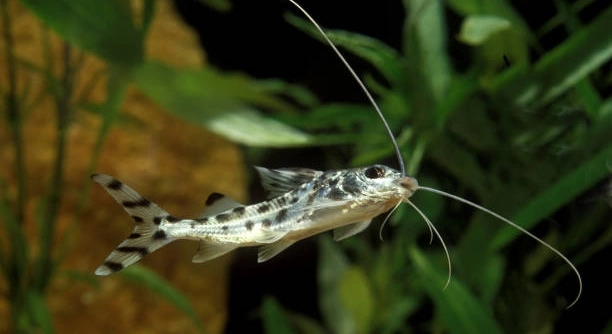
Pictus catfish are popular freshwater fish known for their active swimming and striking spotted appearance. Many fish owners enjoy observing their behavior and wonder if these catfish can be trained to interact more closely with them. Understanding their potential for interaction can enhance the experience of keeping these unique fish.
Pictus catfish can be trained to follow a finger to some extent, as they are responsive to gentle movements and can associate finger motions with feeding times. However, their natural instincts limit the level of training compared to more interactive pets.
Learning how to encourage this behavior can improve your connection with your fish and make caring for them more rewarding.
Understanding Pictus Catfish Behavior
Pictus catfish are naturally curious and active swimmers, mostly exploring their environment during the day. They rely on their keen sense of smell and lateral line to detect movement and vibrations in the water. This sensitivity allows them to notice a finger moving along the tank glass, which can encourage them to follow it. However, they are cautious creatures by nature, so building trust requires patience and consistent interaction. Feeding times offer an opportunity to associate your finger with food, helping them recognize your presence as non-threatening. It’s important to move slowly and avoid sudden motions that could startle them. Over time, this gentle interaction can help the catfish become comfortable enough to follow your finger around the tank. Though they don’t respond like dogs or cats, small behaviors like this make observing them more enjoyable.
Training this behavior takes time and should always be gentle and positive.
With steady, calm movements and patience, you can develop a stronger bond with your pictus catfish.
How to Encourage Your Catfish to Follow Your Finger
Start by gently moving your finger along the tank glass during feeding. Repeat this several times over days.
Offering food near your finger creates a positive association.
Be consistent and patient; abrupt actions may cause the fish to retreat.
Avoid tapping on the glass, as it can stress the catfish and break trust.
Once your catfish begins to follow your finger, gradually increase the distance you move it.
This method encourages curiosity without causing fear.
Positive reinforcement through feeding is key to success.
Building this behavior improves interaction and makes tank care more rewarding.
Common Challenges When Training Pictus Catfish
Pictus catfish can be easily startled by sudden movements or loud noises. This makes training sessions difficult if the environment isn’t calm and quiet. Their natural skittishness means progress may be slow and requires patience.
Consistency is essential when training pictus catfish. Irregular feeding times or inconsistent finger movements can confuse them. It’s also important to avoid tapping the glass, as this creates stress and makes the fish less likely to respond positively. Overfeeding while training should be avoided to maintain their health. Understanding these challenges helps set realistic expectations and encourages a gentle approach.
It’s normal for pictus catfish to sometimes ignore finger movements, especially if they feel threatened or distracted. Accepting these limits will make training less frustrating and more enjoyable for both you and your fish.
The Importance of a Healthy Environment
A clean tank with stable water parameters is crucial for your pictus catfish’s responsiveness. Stress from poor water quality can reduce their willingness to interact. Regular water changes and monitoring of temperature, pH, and ammonia levels create an environment that encourages natural behaviors.
Providing hiding spots and adequate swimming space helps reduce stress. When pictus catfish feel safe, they are more likely to engage in following behavior. Overcrowding should be avoided, as it can cause competition and anxiety. A healthy tank supports not only training but also the overall wellbeing of your fish, making them more alert and interactive.
Signs Your Pictus Catfish Is Ready to Follow
Pictus catfish that show interest in your finger often swim closer when you approach the tank. They may pause and watch your movements attentively. These behaviors indicate they are becoming comfortable with your presence.
A fish that follows your finger smoothly without darting away is showing trust. This readiness means training efforts are paying off and your fish is engaging more actively.
Using Feeding as Motivation
Feeding your pictus catfish near your finger helps create a positive link between you and the fish. Food acts as a reward, encouraging them to associate your movements with something pleasant. Repeating this process strengthens the connection.
Avoid overfeeding during training to maintain their health. Small, frequent rewards are more effective than large portions. Feeding motivation can make training sessions productive without stressing the fish.
Avoiding Stress During Training
Keeping a calm environment helps pictus catfish stay relaxed. Avoid loud noises or sudden movements that may frighten them. Stress reduces their willingness to interact and follow your finger.
Final Tips for Success
Be patient and consistent in your approach. Gradual progress leads to the best results when training pictus catfish.
FAQ
Can pictus catfish really recognize their owners?
Pictus catfish don’t recognize owners the way dogs or cats do, but they can learn to associate a person’s presence with feeding and safety. Over time, they may respond to familiar movements and voices, showing signs of comfort around you.
How long does it take to train a pictus catfish to follow a finger?
Training varies depending on the fish’s personality and your consistency. Some pictus catfish may begin following a finger within a few days, while others need weeks of gentle, regular interaction to show interest.
Is it safe to touch pictus catfish?
Pictus catfish have sensitive barbels used to explore their environment, so touching them can cause stress or damage. It’s best to avoid direct contact and focus on training through movements outside the tank.
What if my pictus catfish doesn’t respond to my finger at all?
Some pictus catfish are more cautious and less interactive by nature. If your fish doesn’t respond, ensure the environment is calm and feeding routines are consistent. Accepting their personality and not forcing interaction is important.
Can overfeeding affect training?
Yes, overfeeding can reduce a fish’s motivation to follow your finger, as they won’t be as hungry or interested in food rewards. Maintaining a balanced feeding schedule improves responsiveness during training.
Are there any risks in trying to train pictus catfish?
Training itself is low risk when done gently. Stress caused by sudden movements or tapping on the glass can harm the fish, so always keep interactions calm and positive.
Do all catfish species follow fingers, or is this unique to pictus catfish?
Not all catfish species are known to follow fingers. Pictus catfish are more active and curious, making them more likely to respond. Other species may be more shy or nocturnal and less interactive.
What kind of environment helps pictus catfish respond better to training?
A clean, well-maintained tank with stable water conditions supports fish health and reduces stress. Providing hiding places and enough space helps pictus catfish feel secure and more willing to engage.
How often should training sessions occur?
Short, consistent sessions daily or every other day work best. Overdoing it can cause stress, while infrequent sessions slow progress. Keep sessions brief and positive.
Can pictus catfish distinguish between different people’s fingers?
They don’t recognize individual people but may react differently to variations in movement or approach style. Consistent behavior helps them feel comfortable regardless of who interacts with them.
Pictus catfish are fascinating fish that bring life and activity to any freshwater tank. While they are not as interactive as some other pets, it is possible to encourage them to follow your finger through gentle and patient training. Their natural curiosity and sensitivity to movement make them responsive to slow, consistent actions, especially when those actions are linked to feeding times. This behavior may not happen quickly or with every fish, but with regular, calm interaction, many pictus catfish will show signs of recognition and engagement.
Training pictus catfish to follow your finger requires understanding their nature and creating the right conditions. It’s important to maintain a clean tank with stable water conditions and provide enough space for them to swim comfortably. Avoid loud noises and sudden movements that can cause stress. Consistency in feeding and finger movements helps the fish build trust over time. It’s best to keep training sessions short and positive, always using food rewards to encourage the behavior. Patience is key, as these fish are cautious and progress can be slow.
Overall, training pictus catfish to follow your finger can add an enjoyable layer to caring for these fish. While they won’t respond like typical pets, this interaction can strengthen the bond between you and your fish. Respecting their limits and focusing on gentle encouragement leads to a better experience for both you and the catfish. Understanding their needs and behavior helps ensure they remain healthy and comfortable, which is essential for any kind of interaction or training.

Hello,
If you enjoy the content that we create, please consider saying a "Thank You!" by leaving a tip.
Every little bit helps us continue crafting quality advice that supports the health, happiness, and well-being of pets around the world, for pets of all shapes, sizes, and species.
We really appreciate the kindness and support that you show us!