
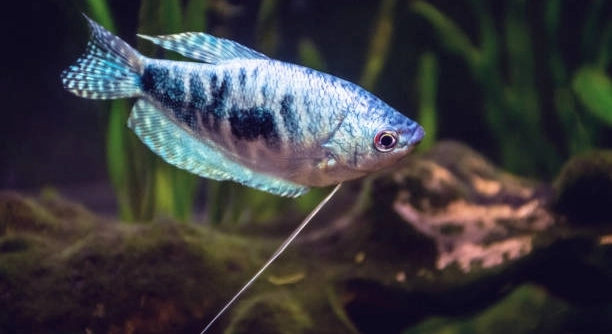
Gouramis are colorful, peaceful fish that many hobbyists enjoy keeping in home aquariums. Their curious nature and interactive behavior often make owners wonder about the possibilities of engaging with them beyond feeding and observation.
Gouramis can be trained to perform simple tricks through consistent repetition and positive reinforcement. Using small food rewards and gradual steps, these fish learn to follow cues, recognize patterns, and perform basic actions over time in a controlled environment.
Learning how to train gouramis can enhance their interaction with owners and make their environment more stimulating and enjoyable. Observing their progress offers insights into their intelligence and behavior.
Understanding Gourami Behavior
Gouramis are naturally curious and social fish, which makes them more receptive to training than some other species. They often explore their environment, interacting with plants, decorations, and even the aquarium glass. This curiosity can be directed toward learning simple tricks, especially when paired with a consistent routine. They respond well to repetition and positive reinforcement, often associating specific cues with food rewards. Observing their natural patterns helps determine the best times and methods for training. Stress levels also play a role; a calm, well-maintained tank encourages learning. Lighting, water quality, and temperature all influence their responsiveness. Smaller steps, such as teaching them to follow a finger or move through a hoop, build trust and make more advanced tricks possible. Patience is key, as each gourami has its own learning pace. Consistent interaction strengthens recognition and allows the fish to anticipate training sessions without fear.
Training should be brief and regular to avoid overwhelming the fish. Small sessions work best.
Daily practice with short sessions and clear signals improves learning outcomes. Repeating simple commands gradually helps gouramis associate actions with rewards. Observing their comfort ensures positive reinforcement remains effective, while avoiding stress maintains their natural curiosity and willingness to participate in training activities.
Tools and Techniques for Training
Using small food treats is the most effective way to motivate gouramis. They respond to easily digestible snacks that can be offered quickly during training sessions. Visual cues, such as hand signals or moving objects, help the fish recognize what is expected. Mirrors or floating targets can also encourage movement and interaction. Gradually increasing the complexity of tasks, starting with basic movements and progressing to more involved tricks, supports learning. Consistency is crucial; repeating the same cues and rewards at the same times each day helps reinforce behavior. Observation is equally important, noting which methods the fish respond to best. A calm environment with minimal distractions allows the gourami to focus and reduces the risk of stress. Timing is key, offering rewards immediately after the desired action to strengthen the association. Over time, the fish can learn to anticipate cues, creating a smoother and more predictable training experience.
Patience and consistency are essential for long-term success.
Combining repetition, positive reinforcement, and short training sessions ensures gouramis remain engaged. Using appropriate treats and clear cues improves learning while reducing stress. Recording progress and adjusting techniques as needed helps maintain their motivation and encourages ongoing participation in the training process.
Common Tricks Gouramis Can Learn
Gouramis can learn basic tricks such as following a finger, swimming through hoops, or coming to a designated spot for food. These actions are simple and rely on repetition. Using consistent signals and small treats increases their success rate and helps maintain their interest in training.
Starting with one simple action at a time prevents confusion. For instance, teaching a gourami to follow a finger can begin by moving your hand slowly across the tank while offering a treat. Repeating this several times daily helps the fish associate the movement with a reward. Gradually, you can add variations, like changing the speed or path of your hand, once the initial behavior is consistent. This approach builds confidence and encourages participation without overwhelming the fish, ensuring training remains positive and stress-free.
After mastering basic movements, gouramis can advance to slightly more complex tricks, such as moving through floating hoops or touching targets. Timing the treats immediately after the desired action reinforces behavior effectively. Consistency is key, as irregular training can confuse them. Observing their reactions allows adjustments, ensuring sessions are productive and enjoyable for both the fish and owner. Over time, repeated practice enhances memory, responsiveness, and engagement.
Mistakes to Avoid During Training
Overfeeding during training can cause health problems and reduce motivation. Small, controlled treats should be used to avoid overnutrition.
Rushing the training process often leads to stress and inconsistent results. Each fish has its own pace, so patience is crucial. Ignoring stress signals, such as hiding or erratic swimming, can harm their well-being and hinder learning. Ensuring the tank is calm, avoiding sudden movements, and maintaining a predictable schedule helps prevent frustration. Training in brief, focused sessions ensures the fish remain engaged and reduces the risk of fatigue or disinterest.
Neglecting consistency in cues or rewards slows progress significantly. Using unclear signals or varying the timing of rewards confuses the fish and undermines training. Observing responses and making minor adjustments to technique ensures the fish can reliably learn and perform tricks. Maintaining proper water quality, lighting, and temperature supports focus and encourages regular participation. Keeping sessions short but frequent reinforces learning while protecting their health. Recording successes and setbacks helps refine methods and improves overall results, making training more efficient and enjoyable for both owner and fish.
Preparing Your Tank for Training
A clean, calm tank encourages gouramis to focus during training. Remove unnecessary decorations and ensure hiding spots remain accessible. Proper lighting and stable water conditions reduce stress, making learning more effective.
Organizing feeding and training areas separately helps gouramis understand the difference between regular eating and training sessions. Consistency in location improves their response to cues and makes tricks easier to teach.
Choosing the Right Rewards
Small, easily digestible treats work best. Freeze-dried or live foods such as bloodworms or brine shrimp motivate gouramis without overfeeding. Timing the reward immediately after the desired action strengthens learning. Consistent use of these rewards builds trust and encourages repeated participation in training activities.
Setting a Training Schedule
Short, frequent sessions are most effective. Limit each session to a few minutes to prevent stress and fatigue. Consistency in timing helps gouramis anticipate training, improving engagement. Recording progress allows adjustments in techniques and ensures the fish remain motivated while learning new tricks.
Observing Progress
Careful observation during each session helps identify what works best. Tracking reactions and successes ensures training remains effective and enjoyable. Adjusting cues or rewards based on their responses supports continuous learning and strengthens the bond between owner and fish.
FAQ
Can all gourami species be trained?
Not all species learn at the same pace, but most common gouramis like dwarf gouramis, pearl gouramis, and kissing gouramis can be trained to perform simple tricks. Individual temperament matters more than species. Some fish may show more curiosity and willingness, while others prefer observation over participation. Patience and consistency are key.
How long does it take for a gourami to learn a trick?
Learning time varies depending on the fish and the complexity of the trick. Simple actions like following a finger can take a few days to a couple of weeks. More complex tricks, such as swimming through hoops or performing a series of actions, may require several weeks of consistent practice. Frequent short sessions improve retention and prevent stress.
What is the best type of reward for training?
Small, easily digestible treats are most effective. Freeze-dried foods, tiny pieces of live food like brine shrimp, or specialized fish treats work well. Using too much food can reduce motivation and affect health. Timing the reward immediately after the desired action strengthens the association between cue and behavior.
How often should training sessions occur?
Short, frequent sessions are ideal. Sessions of two to five minutes, once or twice a day, help maintain focus without causing stress or fatigue. Consistency in timing and location helps gouramis understand that these are training moments, distinguishing them from regular feeding. Regular observation ensures the fish remain comfortable and engaged.
Can stress affect a gourami’s ability to learn?
Yes. Stress can significantly reduce learning ability. Poor water quality, sudden movements, overcrowding, or excessive noise can make gouramis less responsive. Maintaining stable water conditions, proper lighting, and a calm environment improves focus and encourages participation. Stress-free fish are more likely to learn quickly and enjoy the training process.
What should I do if my gourami loses interest?
If a fish seems disinterested, reduce session length or change rewards. Varying cues or introducing new, simple tricks can re-engage them. Ensuring the tank remains clean and the environment is comfortable also helps. Patience is essential; forcing a fish can increase stress and slow learning.
Can gouramis learn multiple tricks at once?
It’s better to focus on one trick at a time. Once a fish reliably performs one action, gradually introduce another. Trying to teach multiple tricks simultaneously can confuse them and slow progress. Building on mastered behaviors ensures confidence and encourages consistent participation.
Is it safe to use hand signals for training?
Yes, hand signals are effective and safe. Moving a finger or using a small object as a visual cue helps the fish associate the movement with the reward. Always make movements slow and consistent. Sudden or fast gestures can startle gouramis, causing stress and reducing responsiveness.
How can I track my gourami’s progress?
Keeping a brief log of sessions, actions performed, and success rate helps monitor improvement. Note which rewards work best and which cues are most effective. Adjust techniques gradually based on observations to ensure steady learning. Tracking progress also highlights patterns, making training more efficient and enjoyable.
Are there tricks that are too advanced for gouramis?
Yes. Gouramis have limitations due to size, memory, and natural behavior. Complex sequences requiring multiple steps or precise timing may be difficult. Focus on simple, repetitive actions such as following a cue, moving through a hoop, or touching a target. These tricks are manageable, safe, and enjoyable for both the fish and the owner.
Can training improve a gourami’s overall well-being?
Training can stimulate mental and physical activity, reducing boredom and encouraging natural behaviors. Interaction provides enrichment and can strengthen the fish’s confidence in their environment. A well-stimulated gourami is more active, curious, and healthier, benefiting both the fish and the aquarium ecosystem.
Is it necessary to train gouramis regularly after they learn tricks?
Regular practice helps maintain learned behaviors. If training is paused for long periods, a fish may forget cues or lose responsiveness. Short, consistent sessions reinforce memory and encourage ongoing engagement. Occasional variation in tricks keeps their environment stimulating while supporting long-term retention.
Can multiple gouramis be trained at the same time?
It’s possible, but each fish may respond differently. Training individually ensures each gourami receives attention and reduces competition for rewards. Once basic tricks are learned separately, group sessions can be attempted, but individual sessions remain more effective for skill-building and preventing stress.
How do I know if my gourami enjoys training?
Signs of enjoyment include approaching the cue eagerly, following movements, and responding quickly to rewards. Calm, active behavior during sessions indicates comfort. If the fish hides, swims erratically, or ignores cues, it may be stressed or disinterested. Adjusting the approach or shortening sessions helps maintain a positive experience.
What equipment is useful for training gouramis?
Minimal equipment is needed. A small target, finger cues, hoops, or floating objects can help guide actions. Treats must be small and appropriate for the species. A timer or log for sessions helps maintain consistency. Simple tools combined with patience are more effective than complex setups.
Can training be combined with feeding routines?
Yes, but it should be controlled. Use small portions of the daily feeding as rewards to avoid overfeeding. Training sessions can become a stimulating part of the feeding schedule, teaching gouramis to associate cues with food while ensuring their nutrition remains balanced.
Is it normal for some gouramis to refuse training?
Yes. Personality and temperament vary. Some gouramis are more reserved and less motivated by food rewards. Forcing participation can cause stress. Respecting individual differences ensures a safe and positive experience, even if not all fish perform tricks reliably.
How do I introduce new tricks without confusing the fish?
Introduce one new trick at a time, after the previous trick is mastered. Use distinct cues and rewards to differentiate between actions. Gradual progression, patience, and careful observation prevent confusion and ensure steady learning. Repetition and consistency remain critical for success.
Are there risks associated with training gouramis?
When done correctly, training is safe. Risks arise from overfeeding, stressful conditions, or overly long sessions. Keeping training brief, using appropriate rewards, and maintaining a calm environment protects health and ensures a positive experience for the fish.
How long should I expect to see noticeable progress?
Noticeable progress varies by individual and trick complexity. Simple tricks may show results in a few days, while more advanced behaviors may take weeks. Regular observation and consistent training sessions accelerate learning and reinforce desired behaviors effectively.
Can training help with behavioral issues?
Training can redirect energy and encourage activity, which may reduce aggression or lethargy. Engaging the fish in controlled tasks provides stimulation and focus, making them less likely to develop undesirable behaviors in the aquarium. Consistency and positive reinforcement support behavioral improvement safely.
What is the ideal environment for training sessions?
A calm, clean tank with minimal distractions is ideal. Stable water parameters, adequate hiding spaces, and moderate lighting reduce stress and improve focus. Preparing the environment ensures the fish can respond to cues without fear, supporting effective and enjoyable training sessions.
How do I know if a trick is too difficult for my gourami?
Signs include repeated failure, stress responses, or refusal to participate. Break the trick into smaller steps, simplify cues, or switch to easier behaviors. Forcing complex tricks can harm confidence and slow learning. Adjusting difficulty ensures continued progress and a positive experience.
Can older gouramis learn new tricks?
Yes, but they may learn more slowly. Patience and shorter, frequent sessions help older fish adapt. Using strong motivators, like preferred treats, and gradually increasing complexity ensures older gouramis remain engaged and capable of learning simple tricks effectively.
How does social interaction affect training?
Gouramis in a peaceful community tank may learn from observation, but aggressive or dominant tankmates can cause stress. Training individually or in a calm group environment improves focus and participation, ensuring each fish receives attention and can respond to cues safely.
Are there signs my gourami is overstimulated?
Erratic swimming, hiding, or refusing food during training indicate overstimulation. Shortening sessions, reducing complexity, and ensuring calm conditions help restore focus. Observing these signs prevents stress and maintains a positive learning experience.
Can tricks be combined into routines?
Once individual tricks are mastered, they can be linked into short routines. Gradual progression, clear cues, and consistent rewards are necessary. Starting with simple sequences builds confidence, while more complex routines require careful observation and patience to maintain engagement.
Is training suitable for young gouramis?
Juveniles can learn simple actions but may tire quickly. Short, gentle sessions are best. Early exposure to training helps build responsiveness and curiosity, but care must be taken to avoid stress or overfeeding. Consistent, gradual practice supports long-term learning.
Does tank size affect training success?
A moderately sized tank allows gouramis to swim freely and focus on cues without feeling confined. Too small tanks may stress fish, while excessively large tanks can make tracking and guiding movements difficult. Balanced tank size supports concentration and consistent progress during sessions.
How should I handle mistakes during training?
Mistakes are normal. Avoid punishment, which can cause stress. Simply reset the cue and try again calmly. Patience and positive reinforcement encourage learning without creating fear, ensuring the fish remain motivated and confident in performing tricks.
Can training be used to monitor health?
Yes. Changes in responsiveness, appetite, or activity during sessions can signal illness or stress. Training offers insight into behavior, alerting owners to potential health issues early. Adjusting routines or addressing problems promptly helps maintain a healthy, active fish.
How long should training remain part of a gourami’s routine?
Training can continue as long as it remains enjoyable. Ongoing, brief sessions stimulate the fish and reinforce learned behaviors. Regular practice prevents boredom, strengthens engagement, and contributes to overall well-being while keeping the fish mentally and physically active.
Is it possible to train multiple behaviors in one session?
It is possible if the fish is comfortable, but only after mastering individual tricks. Mixing too many new behaviors too soon can confuse gouramis. Gradual introduction, distinct cues, and consistent rewards ensure clarity and steady progress without causing stress.
Can training reduce aggression between gouramis?
Training can channel energy positively and encourage interaction under controlled conditions. Engaging fish in tricks provides focus, reducing idle aggression. Observing behavior during sessions helps owners identify triggers and adjust the environment to maintain harmony while promoting learning and stimulation.
How do I reward without overfeeding?
Use tiny portions or break treats into smaller pieces. Training should supplement daily food, not exceed it. Consistent, small rewards maintain motivation while preserving health and preventing weight gain. Tracking the total amount ensures balanced nutrition alongside effective training.
What is the role of repetition in training?
Repetition reinforces behavior and strengthens memory. Frequent, short sessions using the same cues and rewards help gouramis internalize actions. Over time, repeated practice increases reliability and confidence, making performance smoother and more predictable without causing stress or fatigue.
Can training be adapted for multiple gouramis in one tank?
Yes, but focus on one fish at a time initially. Once basic tricks are learned individually, group sessions can introduce social learning. Observing responses ensures fairness and prevents competition for rewards, while maintaining engagement and reducing stress for all fish involved.
How do I know when to increase difficulty?
Increase complexity only after consistent success with current tricks. Gradual changes, clear cues, and continued rewards prevent frustration. Observing responses helps determine readiness, ensuring the fish remains confident and engaged as they progress to more challenging behaviors.
Is it possible to train gouramis without food rewards?
Food is the most effective motivator, but some gouramis respond to environmental enrichment or interactive objects. Visual or tactile cues can be used sparingly. However, food rewards remain the simplest and most reliable method for encouraging learning and reinforcing behavior consistently.
How do I maintain motivation over time?
Vary rewards slightly, introduce new simple tricks, and keep sessions short. Consistency, positive reinforcement, and a calm environment sustain interest. Observing reactions ensures the fish remains engaged, motivated, and willing to participate in ongoing training activities safely.
What should I do if training causes stress?
Stop sessions immediately, allow the fish to calm, and review conditions. Reduce session length, simplify tricks, or adjust cues to prevent future stress. Ensuring a calm environment and observing behavior before and during training protects health and maintains a positive experience.
How can I measure training success?
Success can be tracked by the fish’s responsiveness, consistency, and accuracy in performing tricks. Recording sessions, noting rewards, and observing stress signals help determine progress. Incremental improvements indicate effective training while maintaining the fish’s well-being and engagement.
Are there signs a gourami has mastered a trick?
Repeated, reliable performance without hesitation signals mastery. Immediate response to cues, minimal prompting, and consistent execution indicate the fish understands the desired action. Mastery allows gradual introduction of more complex tricks or variations without causing confusion.
Can tricks help with tank enrichment?
Yes. Training adds mental and physical stimulation, encouraging natural behaviors and reducing boredom. Engaged gouramis are more active, confident, and responsive. Incorporating tricks into daily routines enhances overall aquarium dynamics and promotes a healthy, enriched environment for the fish.
What is the role of patience in training?
Patience ensures progress without stress. Each fish learns at its own pace, and forcing participation can harm confidence and engagement. Consistent, calm repetition, combined with positive reinforcement, allows gouramis to learn effectively while enjoying the process and remaining healthy.
Can training improve fish-owner interaction?
Yes. Engaging in training strengthens recognition and communication. Observing responses, providing rewards, and guiding actions creates a positive bond. This interaction enhances enjoyment for both the fish and owner, while improving understanding of behavior, preferences, and capabilities.
How should I adjust training for shy gouramis?
Use shorter, gentle sessions with minimal cues. Reward small successes and maintain a calm environment. Gradually increase complexity as confidence grows. Avoid forcing participation, and provide safe spaces for retreat. Tailoring training to temperament encourages steady progress without stress.
What are the most effective cues for gouramis?
Simple visual signals, like a finger or floating object, work best. Consistency in shape, movement, and timing ensures the fish associates the cue with the desired action. Avoid complex gestures that may confuse them. Immediate rewards reinforce learning and maintain engagement.
How do I prevent boredom during training?
Vary simple tricks, adjust cues, and use small rewards to keep sessions engaging. Short, frequent sessions prevent fatigue while maintaining motivation. Observation and gradual progression ensure the fish remain interested without becoming stressed or disinterested, supporting long-term learning and enjoyment.
Can training help identify health problems early?
Yes. Changes in responsiveness, energy, or appetite during training can indicate illness. Regular observation during sessions allows early intervention. Adjusting routines, monitoring water conditions, and addressing issues promptly helps maintain health and ensures continued safe engagement in training.
Is it normal for progress to plateau?
Yes. Fish may need more repetition, rest, or simplified cues to continue progressing. Plateaus are natural and require patience. Adjusting techniques or reintroducing previously mastered tricks can reignite motivation and support ongoing learning without stress.
How do I handle multiple tricks learned simultaneously?
Introduce new tricks one at a time, ensuring mastery before combining them. Clear cues, consistent rewards, and gradual progression prevent confusion. Observing responses allows adjustments to difficulty while maintaining motivation, confidence, and reliable performance in each learned behavior.
Can training enhance memory in gouramis?
Yes. Repetition and consistent rewards reinforce memory, allowing fish to recall cues and perform tricks reliably. Mental stimulation during training promotes alertness and responsiveness, strengthening cognitive abilities while providing enrichment that supports overall well-being.
Are there tricks that are unsafe for gouramis?
Yes. Tricks that require excessive speed, jumping, or complex sequences beyond their natural abilities can cause stress or injury. Focus on simple, controlled actions that match their size, strength, and natural behavior to ensure safety and enjoyable participation.
How do I know when to introduce new challenges?
Once a trick is consistently performed with minimal prompting, gradual complexity can be added. Observing confidence, responsiveness, and engagement ensures readiness. Introducing challenges too soon may cause confusion, while appropriate timing fosters continued learning and enjoyment.
Is it necessary to adapt training as gouramis grow?
Yes. Growth affects mobility, energy, and interest. Adjusting trick difficulty, reward size, and session length ensures training remains safe, effective, and stimulating. Monitoring behavior and progress supports ongoing engagement throughout the fish’s life.
Can tricks be used for educational purposes?
Yes. Training demonstrates fish intelligence, memory, and behavior. Observing responses during learning provides insight into aquatic behavior, cognitive abilities, and the effects of reinforcement. Sharing these experiences helps promote understanding of fish capabilities and responsible care.
How important is consistency in training cues?
Extremely important. Using the same signal and reward consistently prevents confusion and reinforces learning. Irregular or mixed cues slow progress and reduce reliability. Clear, repeated cues paired with immediate rewards produce the most effective training outcomes.
Are there benefits beyond entertainment to training gouramis?
Training provides mental stimulation, encourages physical activity, and reduces boredom. It can improve behavior, aid in health monitoring, and strengthen interaction between owner and fish. These benefits enhance overall well-being, making training a practical and rewarding part of care.
Can tricks be combined with environmental enrichment?
Yes. Incorporating hoops, targets, or interactive objects into training provides both cognitive and physical stimulation. Combining tricks with enriched environments encourages natural exploration, reinforces learned behaviors, and keeps fish engaged without causing stress.
How do I handle setbacks in training?
Setbacks are normal. Adjust techniques, simplify tricks, or shorten sessions to reduce frustration. Maintaining patience and observing responses ensures fish remain motivated. Small, consistent successes rebuild confidence and maintain a positive training experience while supporting steady progress.
What are realistic expectations for gourami training?
Simple tricks performed consistently with clear cues and rewards are realistic goals. Advanced sequences requiring multiple steps may be too complex. Patience, observation, and gradual progression ensure achievable results while keeping training enjoyable and safe for the fish.
Can training influence social behavior in gouramis?
Yes. Training encourages focus, reduces idle aggression, and fosters interaction under controlled conditions. Engaged fish are more likely to respond positively to tankmates, improving social dynamics and reducing stress-related conflicts.
How can I keep training sessions safe?
Maintain clean water, calm conditions, and appropriate rewards. Keep sessions short, avoid forcing participation, and observe behavior for stress signs. Proper preparation and monitoring ensure fish safety, engagement, and a positive learning experience throughout training.
What is the best way to end a training session?
Finish on a positive note with a successful trick and reward. Ending sessions calmly ensures the fish associates training with enjoyment and reduces stress. Concluding positively encourages continued participation and maintains a strong learning connection.
Can training replace other forms of enrichment?
No. Training complements environmental enrichment but should not replace it. Providing plants, hiding spots, and varied
Gouramis are intelligent and curious fish that can respond well to simple training with patience and consistency. While they are not capable of performing complex tricks like some mammals, their natural curiosity allows them to learn basic actions. Following a finger, swimming through a hoop, or coming to a designated spot for food are achievable behaviors with repeated practice. Using small food rewards, clear visual cues, and short, consistent sessions ensures the fish can associate actions with positive outcomes without causing stress. Observing the fish carefully during each session is important to ensure they remain comfortable and engaged. By tailoring training to the individual temperament of each fish, owners can create a positive experience that encourages participation and reinforces their natural behaviors.
Training gouramis also provides benefits beyond just performing tricks. Engaging the fish mentally and physically helps prevent boredom and encourages activity, which can improve overall well-being. Fish in a stimulating environment are more active, confident, and less prone to lethargy or aggression. Training sessions can also offer a way for owners to monitor health. Changes in appetite, responsiveness, or activity levels can be noticed more quickly during structured interactions. This means training can serve as a subtle tool for observing normal behavior and identifying potential health issues early. Consistency and patience in training build trust between the owner and the fish, making everyday interactions more rewarding and enjoyable.
It is important to remember that not every gourami will respond in the same way. Individual differences in personality, age, and comfort levels affect learning speed and participation. Some fish may take longer to grasp a trick, while others may lose interest quickly. Short, frequent sessions with clear cues and immediate rewards work best for maintaining engagement and reducing stress. Environmental conditions such as tank size, water quality, and lighting also play a role in success. Training should always be conducted in a calm and safe environment, focusing on small, achievable goals. By understanding the needs and limits of each gourami, owners can provide an enriching experience that combines mental stimulation, physical activity, and a stronger connection with their aquatic companions. With careful attention and realistic expectations, training can be a fulfilling and positive part of caring for gouramis.

Hello,
If you enjoy the content that we create, please consider saying a "Thank You!" by leaving a tip.
Every little bit helps us continue crafting quality advice that supports the health, happiness, and well-being of pets around the world, for pets of all shapes, sizes, and species.
We really appreciate the kindness and support that you show us!